Enhancing Patient Safety with Self-Cleaning Intake Systems in Hospital Expansions

The Importance of Patient Safety in Healthcare Expansion
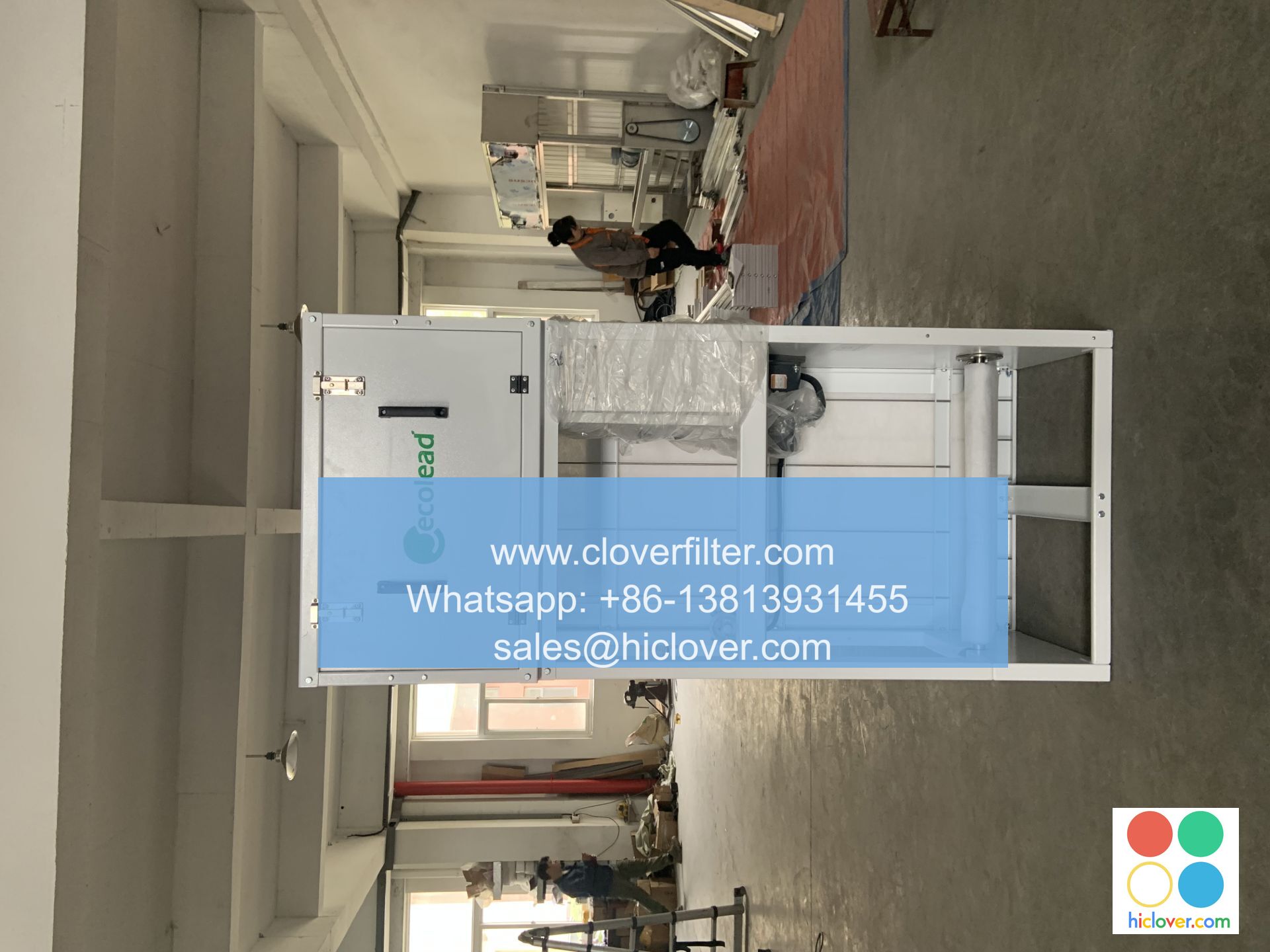
As healthcare facilities continuously expand to meet the growing needs of communities, ensuring patient safety becomes paramount. With the rise of infections and hospital-acquired conditions, hospitals must consider adopting innovative solutions to enhance safety protocols. One promising advancement is the implementation of self-cleaning intake systems.
What are Self-Cleaning Intake Systems?
Self-cleaning intake systems refer to advanced sanitation technologies designed to maintain hygiene standards automatically. These systems utilize UV-C light technology and antimicrobial surfaces to ensure that intake points, such as emergency rooms and patient waiting areas, remain free from pathogens.
Key Benefits of Adopting Self-Cleaning Intake Systems

1. Reducing Hospital-Acquired Infections
Hospital-acquired infections (HAIs) are a significant concern in any healthcare setting. By employing self-cleaning systems, hospitals can significantly reduce the risk of HAIs. These systems work continuously to eliminate bacteria, viruses, and fungi, protecting patients from potential threats.
2. Cost-Effective Solutions
While the initial investment in self-cleaning technology may seem high, the long-term savings associated with reduced infection rates and improved patient outcomes can make these technologies cost-effective. Fewer patients requiring extended stays due to complications translates into lower operational costs.
3. Improved Patient Confidence
Patients are more likely to seek care when they feel safe. Hospitals that invest in advanced sanitation technologies send a clear message about their commitment to safety, thereby boosting patient confidence and satisfaction.
Application Areas of Self-Cleaning Intake Systems
1. Emergency Departments
Emergency departments (EDs) are high-traffic areas where patients with various conditions converge. Implementing self-cleaning intake systems in these spaces can help maintain hygiene standards even during peak hours.
2. Ambulatory Surgery Centers
In ambulatory surgery centers, where quick turnover is essential, self-cleaning systems can ensure that waiting areas and examination rooms are sanitized rapidly, minimizing infection risks between patient visits.
3. Pediatric Wards
Children are particularly vulnerable to infections. Utilizing self-cleaning technology in pediatric wards can help safeguard young patients and offer peace of mind to parents.
Challenges and Considerations
While the benefits of self-cleaning intake systems are compelling, hospitals must also consider factors such as integration costs, staff training, and ongoing maintenance. A thorough assessment of the facility’s specific needs will aid in determining the most effective solutions.
It seems like you might have intended to provide a specific prompt or request, but I didn’t catch it. Could you please clarify what you’d like to discuss or ask about? Whether it’s writing assistance, a question, or something else, I’m here to help!
