Enhancing Robotics Performance: The Science Behind Self-Advancing Roll Filters
In the rapidly evolving world of robotics, performance enhancement is a continual quest that impacts various application areas, from industrial automation to healthcare. One of the revolutionary technologies contributing to this endeavor is the self-advancing roll filter. This article delves into the science behind this innovative technology and explores its significant applications in enhancing robotic performance.
What are Self-Advancing Roll Filters?
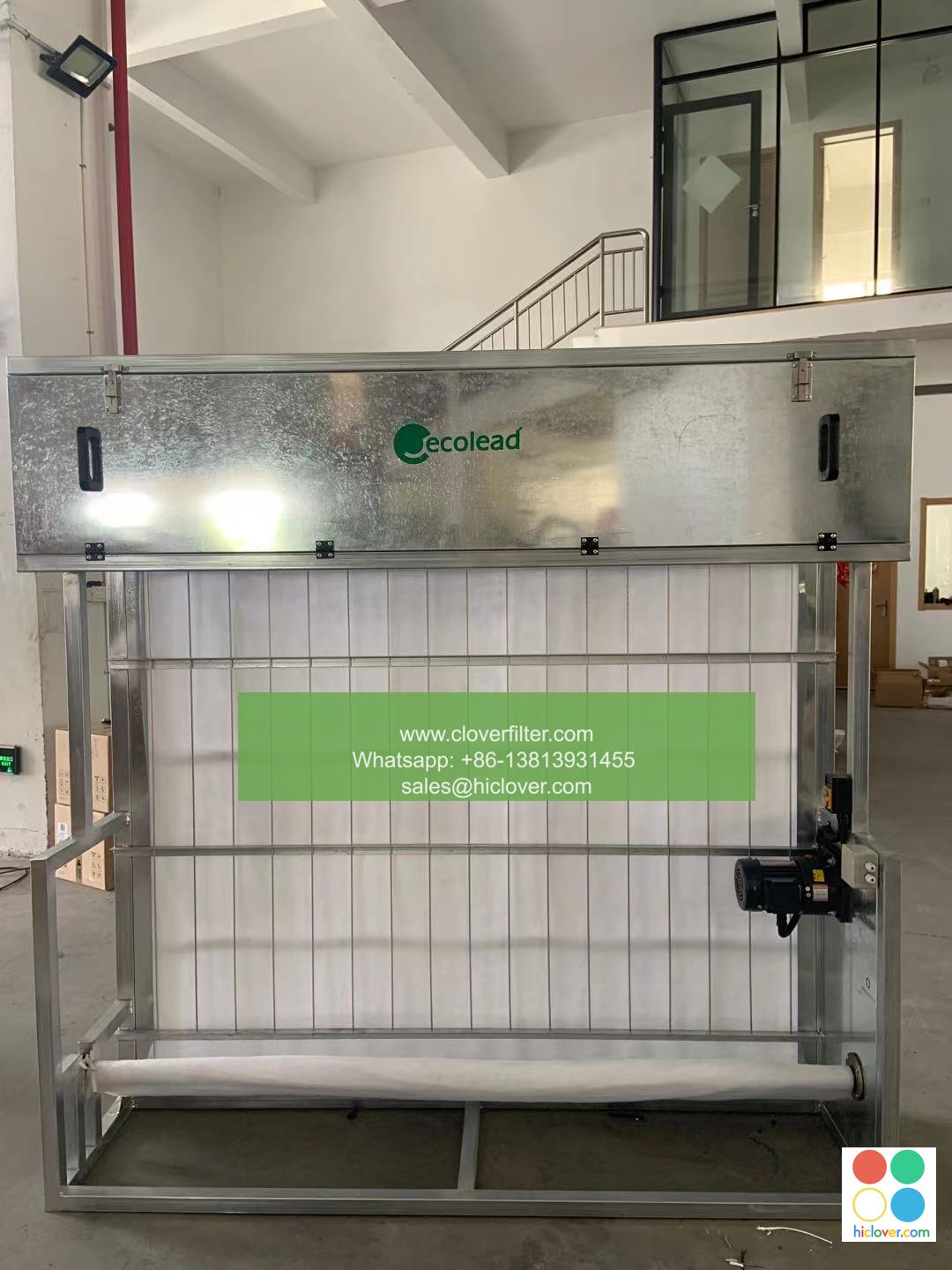
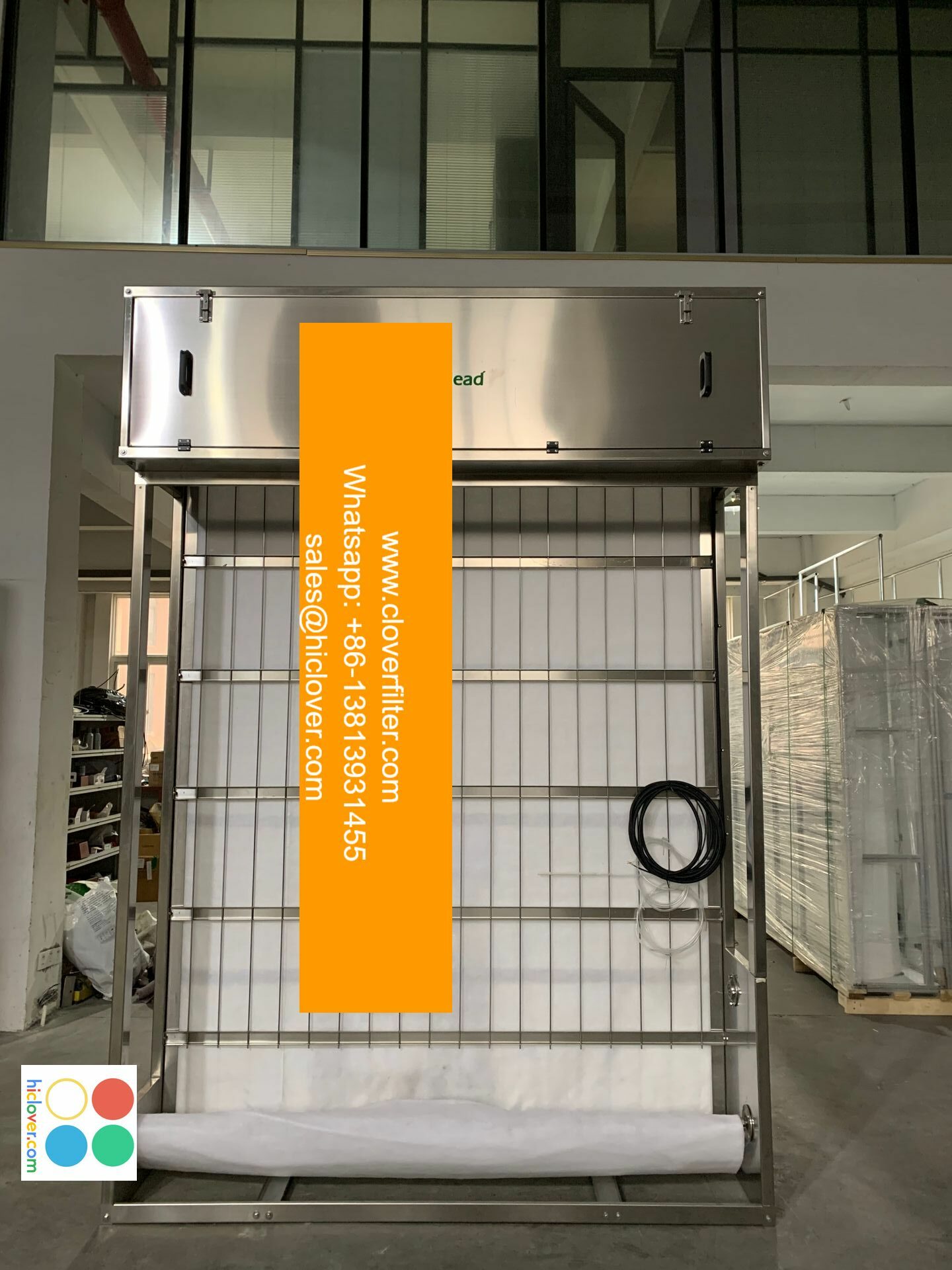
Self-advancing roll filters are advanced filtration devices designed to improve robotic functionality by optimizing fluid and particulate matter management. Utilizing a unique mechanism, these filters automatically advance themselves, ensuring a consistent flow and minimizing downtime due to clogging. This technology employs a roll of filter material that rotates, leaving cleaner surfaces and improving overall efficiency.
The Science Behind Self-Advancing Roll Filters
The underlying science of self-advancing roll filters incorporates various engineering principles:
- Dynamic Filtration: These filters utilize a dynamic mechanism which allows for continuous self-cleaning, thereby maintaining optimal performance levels.
- Material Science: The choice of materials in the filter plays a crucial role in ensuring durability while maintaining the desired filtration efficiency.
- Fluid Dynamics: An understanding of fluid flow behavior allows for the design of filters that maximize the area exposed to contaminants while effectively channeling flow.
- Increased Efficiency: By reducing the frequency of filter replacements and maintenance, robots can operate longer, thereby improving productivity.
- Enhanced Reliability: These filters minimize clogging and ensure the machines continue to work optimally under various operational conditions.
- Cost Savings: Lower maintenance costs and enhanced operational efficiency collectively contribute to significant long-term savings for businesses.
Key Benefits of Self-Advancing Roll Filters in Robotics
Integrating self-advancing roll filters into robotic systems facilitates multiple benefits:
Application Areas of Self-Advancing Roll Filters
The applications of self-advancing roll filters are vast and varied. Some key sectors benefiting from this technology include:
1. Industrial Automation
In industrial settings, these filters enhance the performance of robots by ensuring clean fluid supplies for hydraulic and pneumatic systems, ultimately leading to seamless manufacturing processes.
2. Healthcare Robotics
Self-advancing roll filters are instrumental in healthcare robotics, where sterilization and maintaining clean environments are paramount. They are used in surgical robots and automated laboratory systems.
3. Agricultural Robotics
In agriculture, robotic systems benefit from these filters by improving the efficiency of irrigation systems, ensuring contaminants do not hinder water supply or nutrient delivery to plants.
4. Autonomous Vehicles
Self-advancing roll filters improve the functionality of autonomous vehicles by ensuring that critical systems like cooling and lubrication operate without interruption, even in challenging environmental conditions.
Conclusion
As the field of robotics continues to advance, technologies like self-advancing roll filters represent significant advancements that can enhance performance across various application areas. Their ability to improve efficiency, reliability, and reduce operational costs makes them an indispensable component in modern robotic systems. As research and development in this field progresses, we can expect even more innovative applications to emerge, further revolutionizing robotics performance.
It seems like your message got cut off. How can I assist you today? If you have a specific prompt or topic in mind, please share it!
