Enhancing Satellite Dish Efficiency: The Role of Roll Filtration
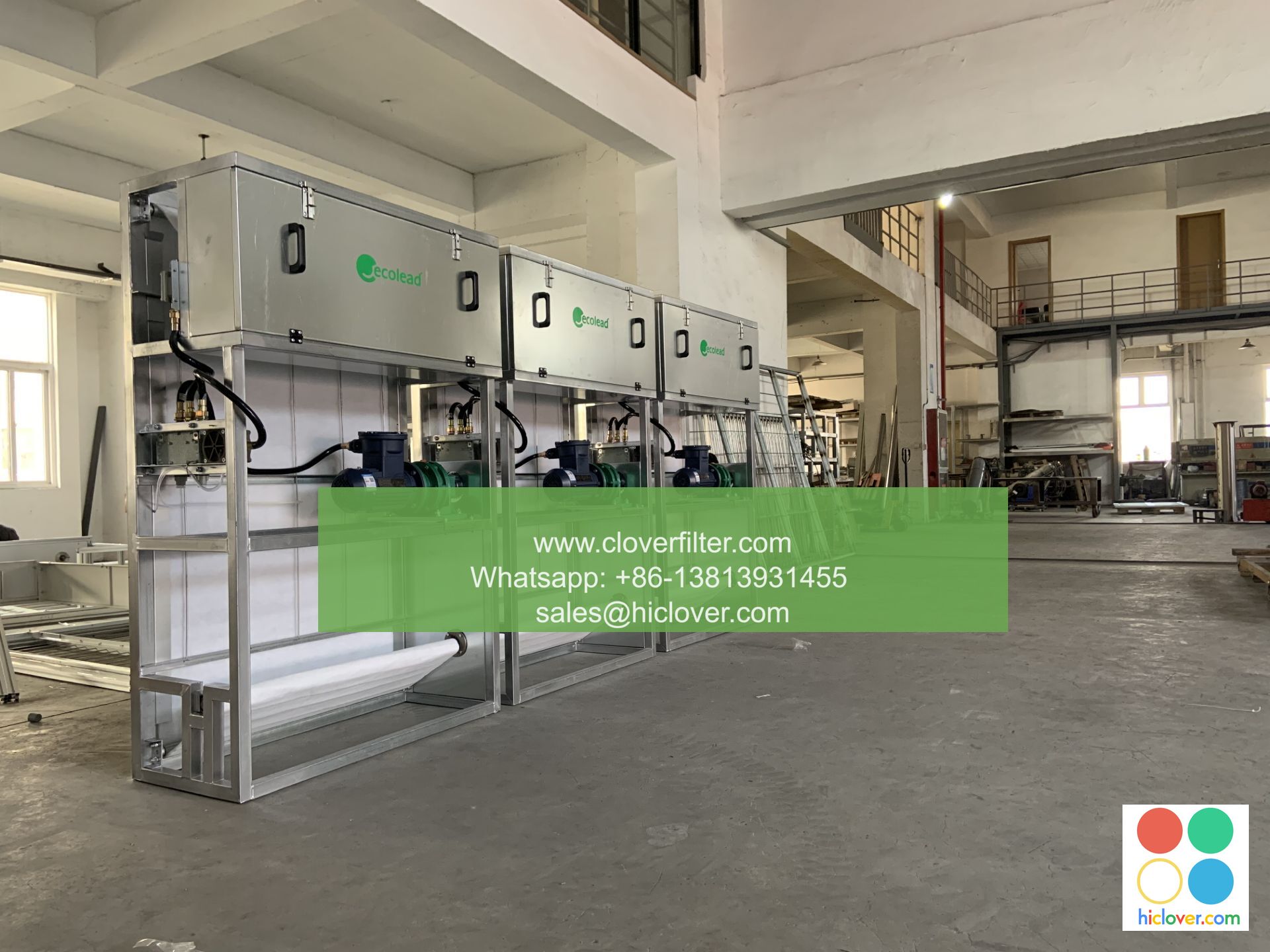
The quest for superior signal quality and enhanced transmission capabilities has led engineers and researchers to explore innovative solutions for optimizing satellite dish efficiency. One of the most promising advancements in this field is roll filtration, a method that has shown remarkable potential in improving the overall performance of satellite dishes across various application areas.
Understanding Roll Filtration

Roll filtration is a process that involves the use of filters to manage the frequency spectrum of signals received by satellite dishes. By implementing dynamic filtering techniques, roll filtration effectively enhances the clarity of signals, minimizes interference, and allows for better tuning of satellite dishes. This technique has been instrumental in ensuring that satellite dishes capture the maximum amount of relevant signal while reducing noise and unwanted frequencies.
Applications of Roll Filtration in Satellite Communication
1. Telecommunications
In the telecommunications sector, roll filtration is a game-changer. By refining the signals received by satellite dishes, it enables clearer voice calls, higher quality video communications, and reliable data transmission. This is particularly important for companies relying on satellite communication for remote locations where ground-based infrastructure is limited.
2. Broadcasting Services
Broadcasting companies utilize roll filtration to enhance television and radio transmission quality. By filtering out unnecessary frequencies, broadcasters can provide viewers with better sound and picture quality, increasing audience satisfaction and engagement.

3. Remote Monitoring and Control
Roll filtration plays a crucial role in remote monitoring applications. Scientists and researchers, especially in fields like environmental monitoring and agriculture, rely on the precise and interference-free data that satellite dishes can provide. This leads to timely and accurate insights for better decision-making.
4. Space Exploration
The role of roll filtration in space exploration cannot be overstated. When satellites communicate with Earth-based stations, roll filtration helps optimize these signals, ensuring that important data and imagery from space missions are transmitted with clarity, even over vast distances.
Benefits of Implementing Roll Filtration
- Improved Signal Quality: By filtering out noise, roll filtration enhances the overall quality of the transmitted signals.
- Enhanced Data Capacity: Efficient roll filtration enables satellite dishes to process more data, increasing bandwidth utilization.
- Reduced Energy Consumption: By utilizing advanced filtering techniques, satellite dishes consume less power while achieving better performance.
- Longer Lifespan: Eliminating unnecessary signals and minimizing interference can prolong the lifespan of satellite communication equipment.
Conclusion
As satellite technology continues to evolve, the implementation of innovative techniques such as roll filtration is imperative for enhancing satellite dish efficiency. The benefits of this approach resonate across various application areas, from telecommunications and broadcasting to remote monitoring and space exploration. With the ongoing advancements in roll filtration technology, the future of satellite communication looks brighter than ever.
It seems like your message got cut off. Could you please provide more details or clarify what prompt you’re looking for? I’m here to help!
