Evaluating Air Filter Performance: What Pressure Drop Metrics Matter?
Key Takeaways
- Understanding air filter pressure drop is essential for optimizing air filtration performance.
- Automatic Roll Air Filters offer advanced roll media technology for efficient particulate control.
- Key metrics include airflow range, face velocity, and frame size.
- Regular maintenance reduces overall costs and prolongs filter lifespan.
- Selecting filters based on specific applications enhances energy savings.
- Airflow Range: Ensure compatibility with your system’s needs, typically between 500 to 20,000 CFM (Cubic Feet per Minute).
- Face Velocity: An optimal face velocity of 300-500 FPM balances filtration efficiency and energy consumption.
- Media Width/Length: Choose the appropriate dimensions to fit your designated space without compromising performance.
- Frame Size: Ensure correct fit for installation in the ductwork or HVAC unit.
- Control Options: Options can include manual or automatic controls based on specific monitoring needs.
- Power Supply: Assess available power sources to ensure compatibility with the filter’s operation.
- Installation Location: Assess space for fresh air intake, return, or process applications to optimize effectiveness.
- Ignoring Pressure Drop: Always monitor air filter pressure drop to ensure optimal performance.
- Underestimating Airflow Requirements: A mismatch can lead to poor filtration and higher energy costs.
- Neglecting Maintenance: Regular checks on filter condition can prevent costly downtime.
- Not Considering Environmental Factors: Variables like humidity and temperature can affect filter efficiency.
- Overlooking Installation Location: Proper placement ensures maximum effectiveness of filtration.
- Using Incompatible Filter Types: Ensure selected filters align with system specifications.
- Not Reviewing MERV Ratings: Knowledge of efficiency ratings helps in informed decision-making.
- Forgetting About Energy Use: Higher pressure drop filters may increase operational costs.
- Neglecting Historical Data: Past filter performances can guide current selections.
- Ignoring Regulatory Standards: Keep abreast of compliance to ensure best practices.
-
Data Center: Maintaining a consistent environment is critical. The Automatic Roll Air Filter effectively manages particulate control while minimizing energy costs, sustaining optimal airflow levels.
-
Battery Factory: High levels of dust and particulates can hinder production. By using Automatic Roll Air Filters, the factory maintained operations while adhering to stringent cleanliness standards, safeguarding product quality.
-
Paint Shop: Air quality impacts both the work environment and finished products. Utilizing the Automatic Roll Air Filter enhanced air purity, reduced airborne contaminants, and contributed to a healthier workspace.
-
Textile/Steel/Cement Plant: Heavy operations generate significant dust. The Automatic Roll Air Filter’s efficiency in handling high particulate loads improved overall air quality, compliance with safety regulations, and reduced maintenance costs.

What is an Automatic Roll Air Filter?
An Automatic Roll Air Filter is a sophisticated filtration solution designed to effectively manage airflow in HVAC systems. Utilizing a roll media advancement mechanism, these filters automatically adjust based on particulate accumulation. This advanced system not only simplifies maintenance but also optimizes air filter pressure drop metrics crucial for performance.
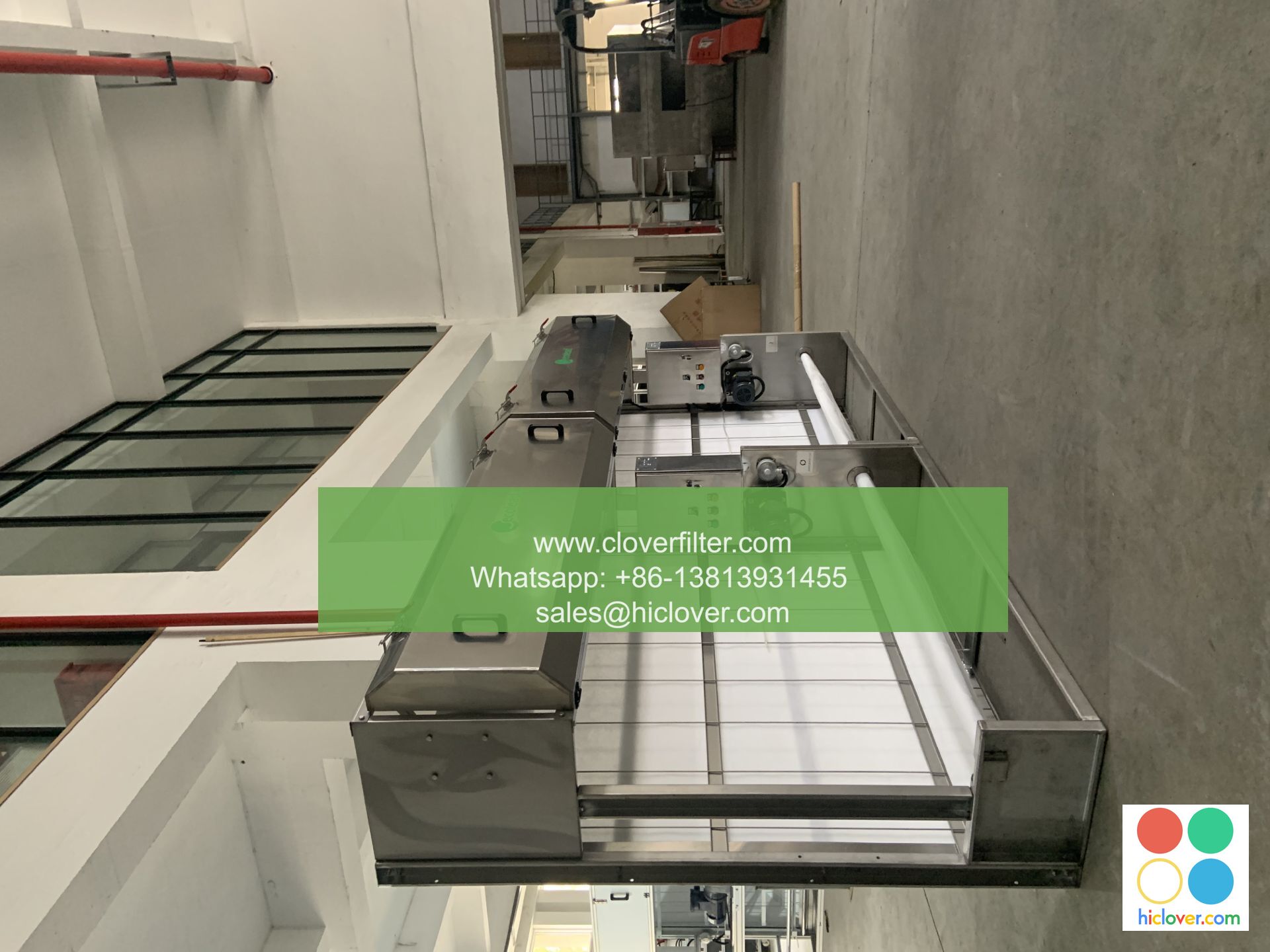
The operation is governed by a differential pressure trigger that initiates the roll media advancement when needed, ensuring consistent air quality. Typically installed in fresh air intake, return, or process air settings, Automatic Roll Air Filters contribute significantly to maintaining a clean and efficient environment across various applications.
How Air Filter Pressure Drop Affects Performance
Air filter pressure drop refers to the resistance airflow encounters when passing through a filter. This metric is critical because high differential pressure can lead to increased energy consumption and decreased efficiency. Therefore, understanding the pressure drop characteristics of different filter types—including the Automatic Roll Air Filter—can vastly impact operational costs and air quality.
Selection Guide for Automatic Roll Air Filters
When selecting an Automatic Roll Air Filter, consider the following parameters:
Comparison of Air Filter Types
| Filter Type | Best Use Case | Maintenance | Pressure Drop Behavior | Operating Cost | Typical Risk/Downside |
|---|---|---|---|---|---|
| Automatic Roll Air Filter | Variable airflow applications | Low | Consistent; maintains efficiency | Lower long-term cost | Initial high investment |
| Bag Filter | High dust environments | Moderate | Stable; potential blockages possible | Moderate | Higher pressure drop over time |
| Panel Filter | General use | Moderate to High | Variable; can clog quicker | Moderate | Regular replacements needed |
| V-bank | High efficiency required | Very high | Variable; often high | High | Complex installation |
Common Mistakes & How to Avoid Them
Real-World Scenarios
Frequently Asked Questions
What is an air filter pressure drop?
Air filter pressure drop refers to the resistance experienced by airflow as it passes through the filter material, impacting energy efficiency.
How often should I replace my air filter?
Replacement frequency depends on factors like usage, environment, and filter type. Regular checks are recommended to assess condition.
Can filters with lower MERV ratings be effective?
Yes, lower MERV-rated filters can be effective in particular applications; however, they typically capture fewer particulates.
What is the significance of differential pressure in air filters?
Differential pressure measures the difference in airflow before and after the filter, providing insight into filter performance.
How does an Automatic Roll Air Filter save on maintenance?
By automatically advancing its media, it reduces manual checks and interventions, ensuring consistent filtering without requiring frequent replacements.
What compliance standards should I consider?
Familiarize yourself with ISO 16890 and MERV concepts to choose filters that align with industry best practices, ensuring effective air quality management.
Final Thoughts
Selecting the right filtration system, particularly the Automatic Roll Air Filter from CloverFilter, is pivotal for optimizing indoor air quality and system efficiency. Understanding the air filter pressure drop and how it affects performance can lead to energy savings and enhanced productivity. For more information about filters tailored to your industrial needs, reach out to the experts at CloverFilter and discover how we can assist you today!
Meta Description: Learn how to evaluate air filter performance and pressure drop metrics that matter for efficient industrial air filtration solutions.
For inquiries and expert assistance, connect with CloverFilter at CloverFilter Contact.
Sure! What would you like a prompt for? Writing, art, a specific topic, or something else? Let me know how I can assist you!
