Examining the Different Types of Air Filters: Pros and Cons
Key Takeaways:
- Understanding various air filter types helps optimize air quality and system performance.
- Automatic Roll Air Filters are efficient, low-maintenance solutions especially suited for high-traffic environments.
- Knowing airflow ranges, face velocities, and installation options is crucial for making sound procurement decisions.
- Always consider compliance with industry standards like ISO 16890 for optimal performance.
- Regular evaluation of maintenance needs can lead to energy savings.
- Airflow Range: Understanding the volume of air your system requires is critical for selecting the right filter.
- Face Velocity: This metric indicates the speed at which air flows through the filter; it is essential to choose a filter that can handle your system’s velocity without causing excessive pressure drop.
- Media Width/Length: The size of the filter media impacts its overall efficiency and longevity.
- Frame Size: Proper frame dimensions ensure easy installation and optimal sealing within the air handling unit.
- Control Options: Look for features like electronic control to monitor filter status or integrate with building management systems.
- Power Supply: Ensure compatibility with your facility’s electrical standards.
- Installation Location: Your choice of filter will depend on whether it’s being installed at the fresh air intake, as a return filter, or in process applications.
- Selecting a filter type without assessing air quality requirements.
- Overlooking the maintenance needs tied to filter upkeep.
- Neglecting to evaluate pressure drop over time, leading to energy waste.
- Failing to account for specific installation locations.
- Underestimating the impact of face velocity on filter life.
- Choosing cost over quality, resulting in frequent replacements.
- Ignoring the importance of compliance with industry standards like ISO 16890.
- Not keeping up with technology advances in air filtration.
- Assuming one filter type fits all applications.
- Delaying filter replacements, which compromises air quality.
-
Data Center: A facility manager opted for CloverFilter’s Automatic Roll Air Filter due to its low maintenance and ability to sustain optimal airflow. This choice not only improved energy efficiency but also maintained critical equipment uptime.
-
Battery Factory: The integration of Automatic Roll Air Filters within a lithium battery manufacturing plant proved essential for particulate control, ensuring the air remained free from contaminants that could affect product integrity.
-
Paint Shop: In a high-solvent environment, an Automatic Roll Air Filter enabled a paint shop to reduce VOC emissions while effectively maintaining air quality. The automatic roll function minimized downtime and maximized production efficiency.
-
Textile Steel/Cement Plant: For facilities dealing with significant dust, the CloverFilter solution efficiently handled high particulate environments while adhering to energy-saving measures mandated by local regulations.

Introduction to Air Filter Industries
In the air filter industries, understanding the available air filtration technologies is critical for procurement managers, HVAC engineers, and facility managers. The right air filter can significantly enhance air quality while reducing operational costs. In this article, we’ll discuss the different types of air filters, including their pros and cons, with a focus on the innovative Automatic Roll Air Filter by CloverFilter. This advanced solution offers unique benefits that make it well-suited for a range of industrial applications.

What is an Automatic Roll Air Filter?
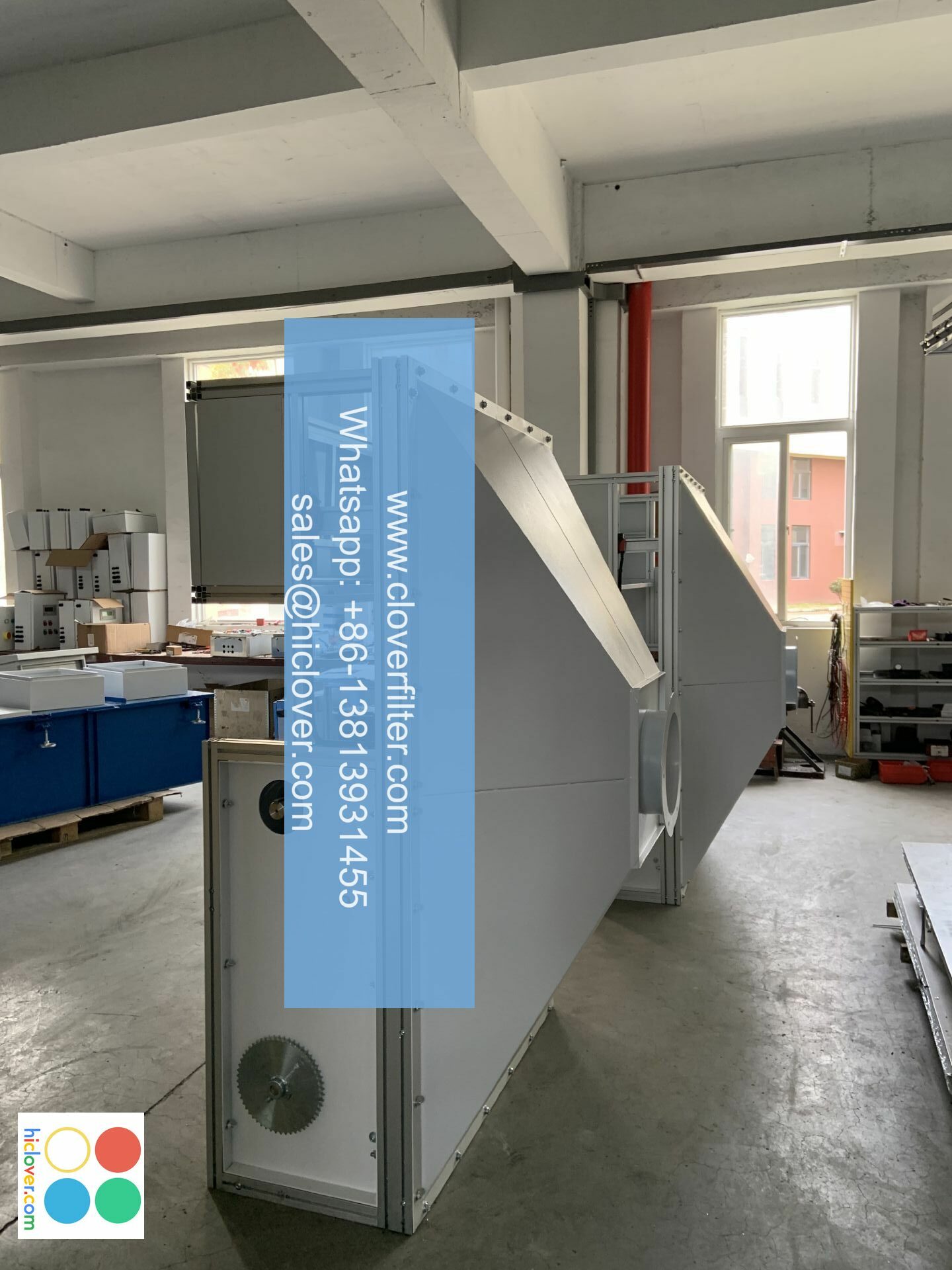
An Automatic Roll Air Filter utilizes a continuous roll of media that automatically advances as it accumulates particulates. This system typically includes a differential pressure trigger that monitors filter saturation and activates the roll media advance logic. It can be operated in a timed mode, allowing for a more proactive approach to maintenance. This type of air filter is ideal for HVAC and AHU systems, helping maintain optimal airflow while effectively controlling particulates in various settings, from cleanrooms to paint booths.
Practical Selection Guide for Air Filters
When selecting an air filter, consider the following factors to ensure a proper fit for your facility’s specific needs:
Comparison of Air Filters
| Filter Type | Best Use Case | Maintenance | Pressure Drop Behavior | Operating Cost | Typical Risk/Downside |
|---|---|---|---|---|---|
| Automatic Roll Air Filter | High-traffic, variable load | Low | Moderate to low | Lower long-term | Initial setup cost |
| Bag Filter | High particulate loads | Medium | Moderate to high | Variable | Replacing bags regularly |
| Panel Filter | Lower traffic environments | Low | Moderate | Low | Limited lifespan |
| V-bank | V-shaped configuration areas | High | High | Higher over time | Requires more space |
Common Mistakes & How to Avoid Them
Real-World Scenarios
FAQ
1. How often should I replace my air filters?
Replacement frequency depends on the specific environment and filter type. Use differential pressure indicators to determine when to change filters in your system.
2. What is the MERV rating, and why does it matter?
The Minimum Efficiency Reporting Value (MERV) indicates a filter’s effectiveness in capturing airborne particles. Higher MERV ratings generally mean better filtration but can lead to increased pressure drops.
3. Are CloverFilter products compliant with industry standards?
CloverFilter’s products aim to meet industry standards like ISO 16890, but specific certifications are available on request.
4. Can I use an Automatic Roll Air Filter in a high-velocity application?
Yes, but ensure the setup is tested to meet specific airflow needs; a proper face velocity is key for optimal performance.
5. What is the lifespan of an Automatic Roll Air Filter?
Lifespan varies based on usage conditions. The differential pressure trigger provides timely alerts for replacements, enhancing longevity.
6. What are typical installation locations for air filters?
Installation depends on the setup: fresh air intake areas benefit from filters that manage contaminants, while return ducts require reliable particulate control.
Conclusion
Understanding the diverse array of air filtration solutions available in the air filter industries enables procurement managers and facilities personnel to make informed decisions. With products such as the Automatic Roll Air Filter by CloverFilter, industry professionals can optimize air filtration systems for better performance and maintenance efficiency. Explore how CloverFilter can enhance your air quality solutions by visiting their website or contacting them directly.
Meta Description: Explore the various types of air filters, understanding their pros and cons, and discover effective solutions like CloverFilter’s Automatic Roll Air Filter.
For more information on optimizing your air quality solutions, reach out to CloverFilter at CloverFilter Contact.
It looks like you’ve entered “Prompt,” but I’m not sure what specific question or topic you would like to discuss or explore. Could you please provide more details or clarify what you’re looking for? Whether it’s a creative writing prompt, a question about a specific subject, or something else entirely, I’m here to help!
