Exploring the Materials Used in Air Filter Manufacturing
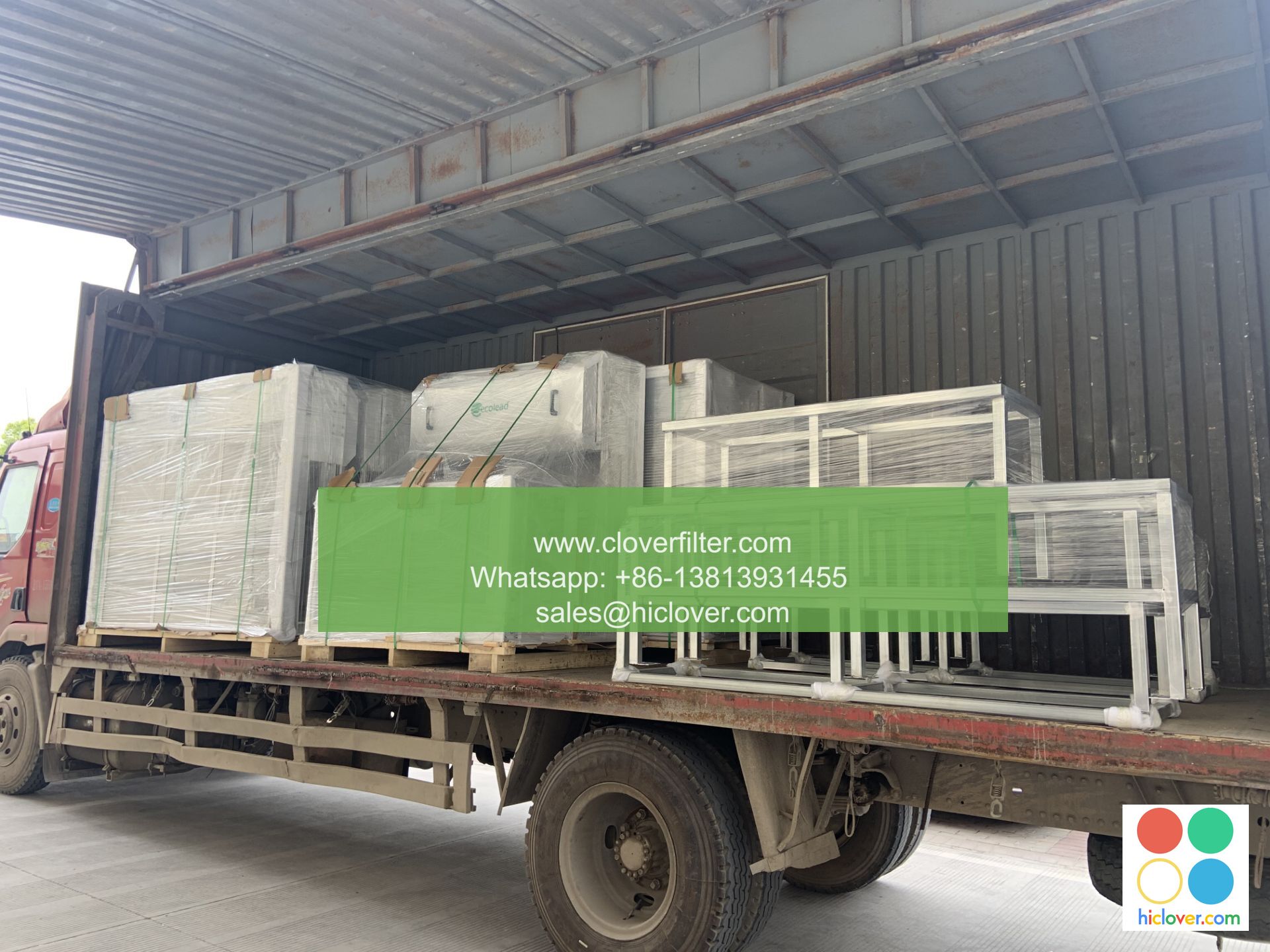
- Key Takeaways:
- Understand the benefits of various air filter materials in industrial settings.
- Learn how the Automatic Roll Air Filter optimizes airflow and energy savings.
- Explore practical selection criteria for filtration systems in specific applications.
- Compare different filter types to make informed purchasing decisions.
- Identify common mistakes when selecting air filters for your facility.
- Gain insights from real-world scenarios in various industries.
- Consider compliance with industry standards like ISO 16890 and MERV.
In the realm of industrial air filtration, precise air filter engineering is essential for maintaining air quality and operational efficiency. Understanding the materials used in air filter manufacturing can significantly influence procurement managers, HVAC engineers, and facility managers. This article delves into the components that make up air filters, focusing on the innovative Automatic Roll Air Filter offered by CloverFilter, which integrates advanced technology for optimal clean air solutions.

What is an Automatic Roll Air Filter?
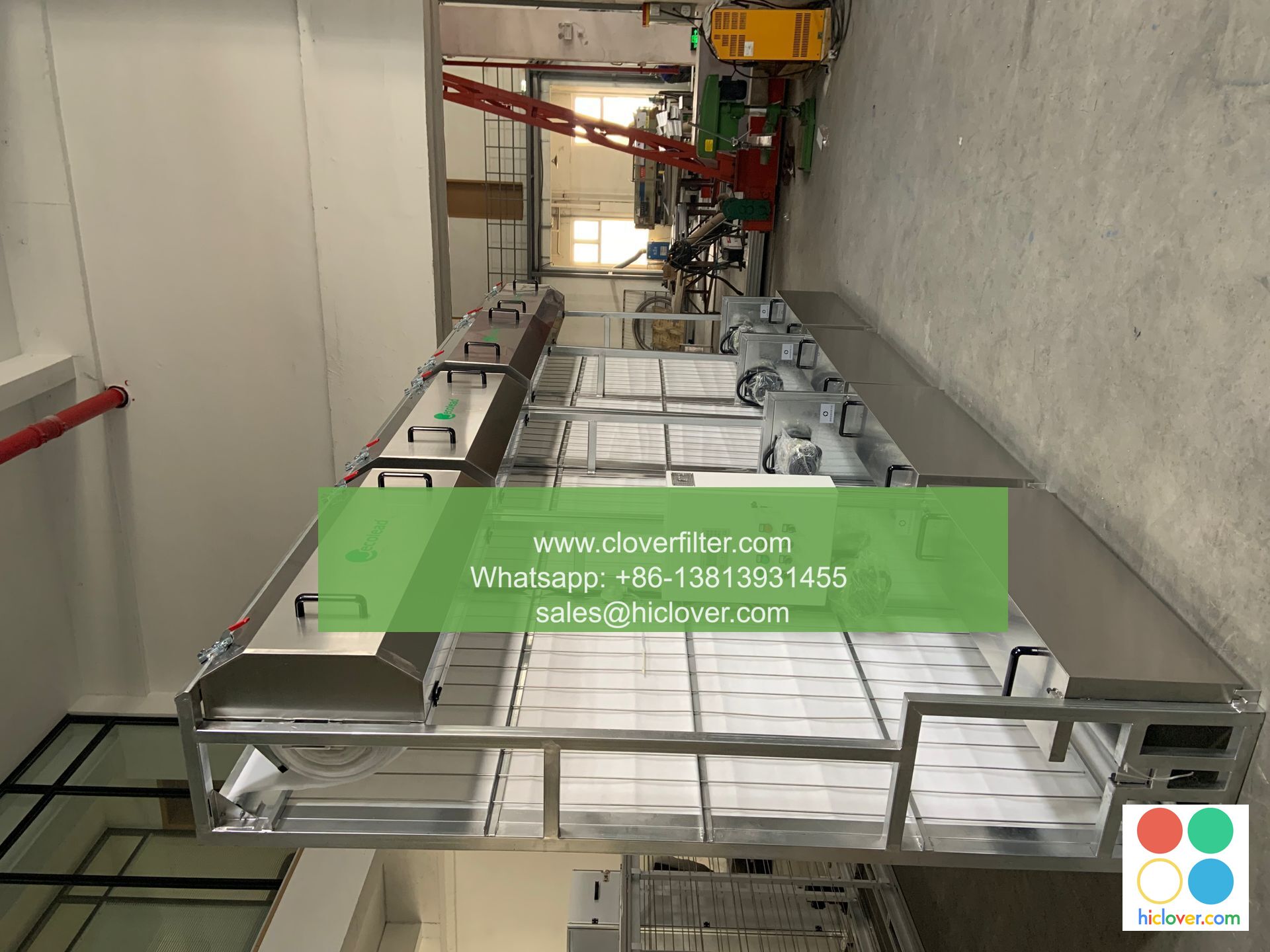
An Automatic Roll Air Filter is a sophisticated filtration system designed to enhance air quality while minimizing maintenance efforts. Utilizing automatic roll media, this filter continuously advances a fresh filter material to ensure a consistent and efficient barrier against airborne particulates.
How It Works
The operator can control the roll media through a differential pressure trigger, which advances the filter material as it becomes clogged. This allows for predetermined timer modes, ensuring that the filter is replaced when needed without manual intervention. The integration of these features makes this filter ideal for HVAC (Heating, Ventilation, and Air Conditioning) systems, particularly in applications such as:
- Fresh air intake
- Return areas in HVAC systems
- Pre-filtering in air handling units (AHUs)
- Synthetic Fibers: Known for their durability and resistance to moisture, synthetic fibers can be engineered to trap various particulate sizes effectively.
- HEPA Media: High-Efficiency Particulate Air (HEPA) filters are crafted from borosilicate glass fibers, renowned for removing up to 99.97% of particles exceeding 0.3 microns.
- Activated Carbon: This media is often used to reduce odors and chemical pollutants, adding a valuable layer of filtration.
- Airflow Range: Ensure the filter can accommodate the required volume of air for your facility.
- Face Velocity: Determine the optimal face velocity that maximizes filtration efficiency without excessive energy use.
- Media Width/Length: Select dimensions that fit your installation requirements.
- Frame Size: Choose a frame that can support the chosen media while allowing for easy installation and maintenance.
- Control Options: Evaluate available control options that can optimize filter performance and energy savings.
- Power Supply: Assess the power requirements necessary for the operational technology.
- Installation Location: Identify whether the filter will be used in fresh air intakes, return systems, or in-process applications.
- Selecting the Wrong Size: Ensure precise measurements of the installation area.
- Ignoring Flow Rates: Match enough airflow ratings with your HVAC system.
- Neglecting Filter Maintenance: Incorporate scheduled maintenance for optimal performance.
- Focusing Only on Cost: Consider the total cost of ownership, including energy efficiency and lifespan.
- Overlooking Environmental Conditions: Account for potential chemicals or moisture in the air that may affect filter material longevity.
- Inadequate Knowledge of Standards: Familiarize yourself with ISO 16890 and MERV ratings for assured performance.
- Disregarding Energy Savings: Investigate how automation in filters can lead to significant energy cost savings.
- Failing to Test System Performance: Regular testing ensures system integrity and filter performance.
Key Benefits of Materials in Air Filter Engineering
The materials chosen for air filter manufacturing significantly influence their performance. Here’s a breakdown:
Practical Selection Guide
When considering an air filter like the Automatic Roll Air Filter, it’s crucial to evaluate specific parameters:
Comparison of Filter Types
| Filter Type | Best Use Case | Maintenance | Pressure Drop Behavior | Operating Cost | Typical Risk/Downside |
|---|---|---|---|---|---|
| Automatic Roll Air Filter | High particulate loads | Low (auto advance) | Consistent | Moderate | Initial costs can be higher |
| Bag Filter | Industrial applications | Moderate | Variable | Lower | Clogging potential |
| Panel Filter | Light commercial use | Moderate | Low to moderate | Low | Limited lifespan |
| V-bank Filter | Space-constrained areas | Low | Moderate | Moderate | Can be prone to neglect |
Common Mistakes & How to Avoid Them
Here are some common pitfalls in air filter selection and tips to avoid them:
Real-World Scenarios
Data Center
In a major data center, the implementation of an Automatic Roll Air Filter provided an ideal solution for particulate control in ternary cooling systems. The low maintenance features allowed for uninterrupted operation and ensured clean air for sensitive electronic equipment.
Battery Factory
The manufacturing process of lithium batteries involved significant dust and particulate matter. By integrating CloverFilter’s Automatic Roll Air Filter, the facility improved air quality while reducing maintenance efforts, supporting compliance with industry standards.
Paint Shop
In a paint booth, the Automatic Roll Air Filter effectively reduced volatile organic compounds (VOCs) and overspray. The system’s timer mode allowed for predetermined intervals for filter advancements, which streamlined operations and reduced costs.
Textile/Steel/Cement Plant
In environments such as textile mills and cement plants, where particulate generation rates can be high, employing the Automatic Roll Air Filter allowed for optimum air quality while also reducing energy consumption due to its low pressure drop characteristics.
FAQ Section
1. What is an Automatic Roll Air Filter?
An Automatic Roll Air Filter is a filtration system that uses an advancing roll of media to maintain filtration efficiency while minimizing manual maintenance needs.
2. How does the differential pressure trigger work?
The differential pressure trigger senses when the filter is nearing saturation and automatically advances the media to ensure continuous operation.
3. What types of applications benefit most from these filters?
Typical applications include data centers, manufacturing facilities, healthcare environments, and any facility requiring stringent air quality control.
4. Is the Automatic Roll Air Filter compliant with industry standards?
While compliance specifics can vary, CloverFilter’s products can meet common standards such as ISO 16890 / MERV concepts, available on request.
5. What maintenance is required for an Automatic Roll Air Filter?
The design minimizes maintenance requirements, but it’s essential to regularly check the system and reset control options based on differential pressure readings.
6. Can I use this filter in retrofitting existing systems?
Yes, the Automatic Roll Air Filter can be integrated into most existing airflow systems, particularly if they accommodate standard frame sizes.
7. How does the media’s width and length impact performance?
Larger media dimensions can increase the surface area for filtration, thereby enhancing performance and lowering pressure drops throughout the system.
8. What are the energy-saving benefits?
Advanced filter systems like the Automatic Roll Air Filter allow for reduced energy consumption due to lower pressure drops and less frequent filter replacements.
9. How often should filters be replaced or advanced?
The interval generally depends on facility conditions and usage, but the device’s automation features help to determine optimal replacement times.
10. Where can I find more information on CloverFilter’s products?
For more information about their air filtration solutions, you can visit CloverFilter.
In conclusion, understanding the materials and concepts behind air filter engineering is pivotal for ensuring effective filtration in industrial environments. The Automatic Roll Air Filter by CloverFilter represents an innovative solution that combines advanced technology with practical usability.
Meta Description: Explore materials used in air filter engineering and the benefits of CloverFilter’s Automatic Roll Air Filter for improved air quality in various industries.
For tailored air filtration solutions or inquiries, connect with CloverFilter at CloverFilter.
It looks like you might want help formulating or responding to a prompt, but I need a bit more information to assist you effectively. Could you please provide more details or specify the topic you’re interested in?
