Exploring the Mechanics: How Self-Advancing Roll Filters Function in Skyscraper Construction
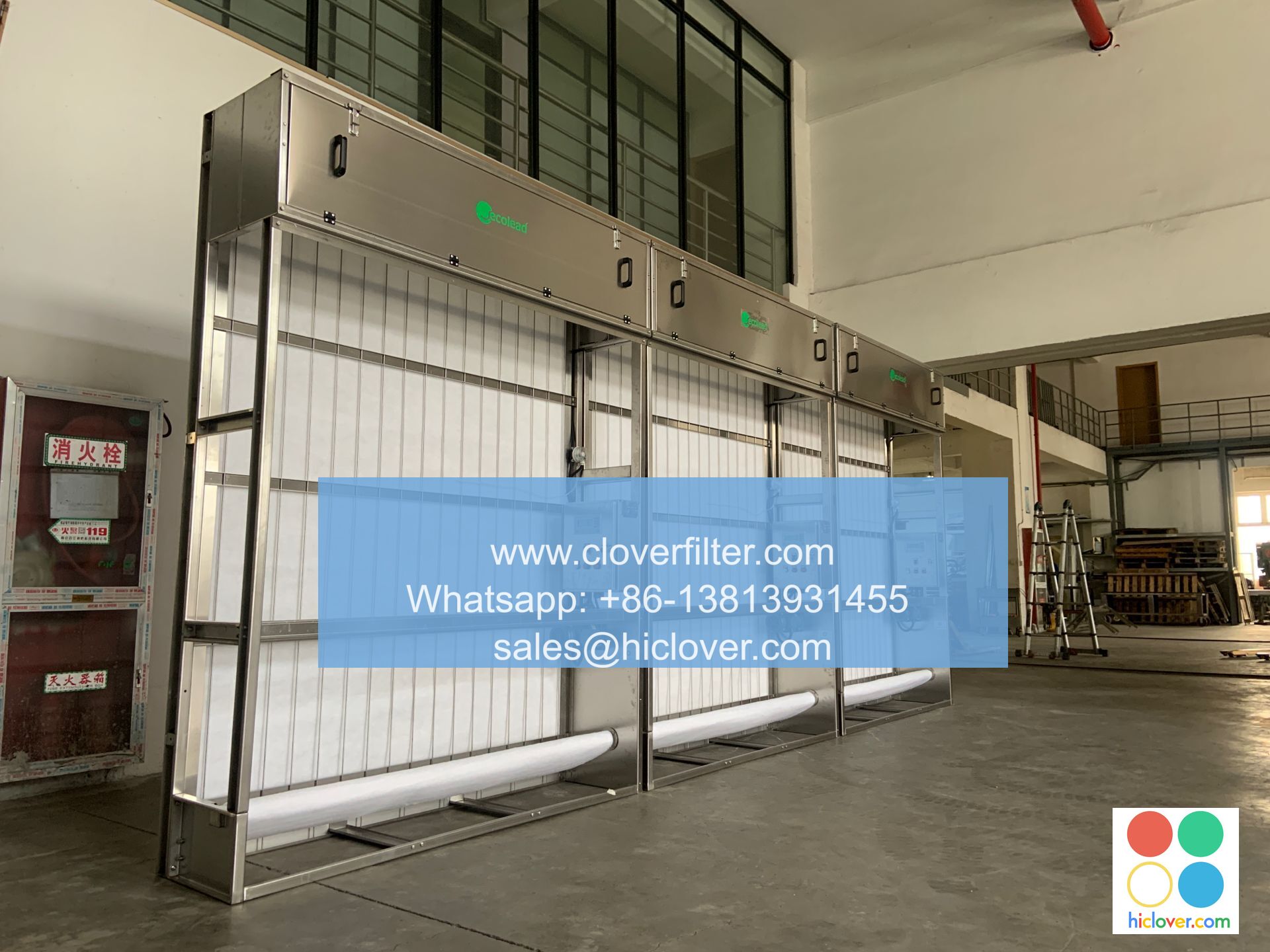
The construction of skyscrapers is a complex endeavor, requiring innovative technologies to ensure efficiency and safety. One such technological advancement is the use of self-advancing roll filters. These devices play a critical role in maintaining clean air quality and ensuring operational efficiency on construction sites. This article delves into how these filters work, their applications, and the benefits they bring to the skyscraper construction industry.
Understanding Self-Advancing Roll Filters
Self-advancing roll filters are specialized filtration systems designed to automatically adjust and extend as construction progresses. Made of sophisticated materials, these filters are engineered to capture dust, debris, and other particulates generated during building activities.
The Mechanics Behind Self-Advancing Roll Filters
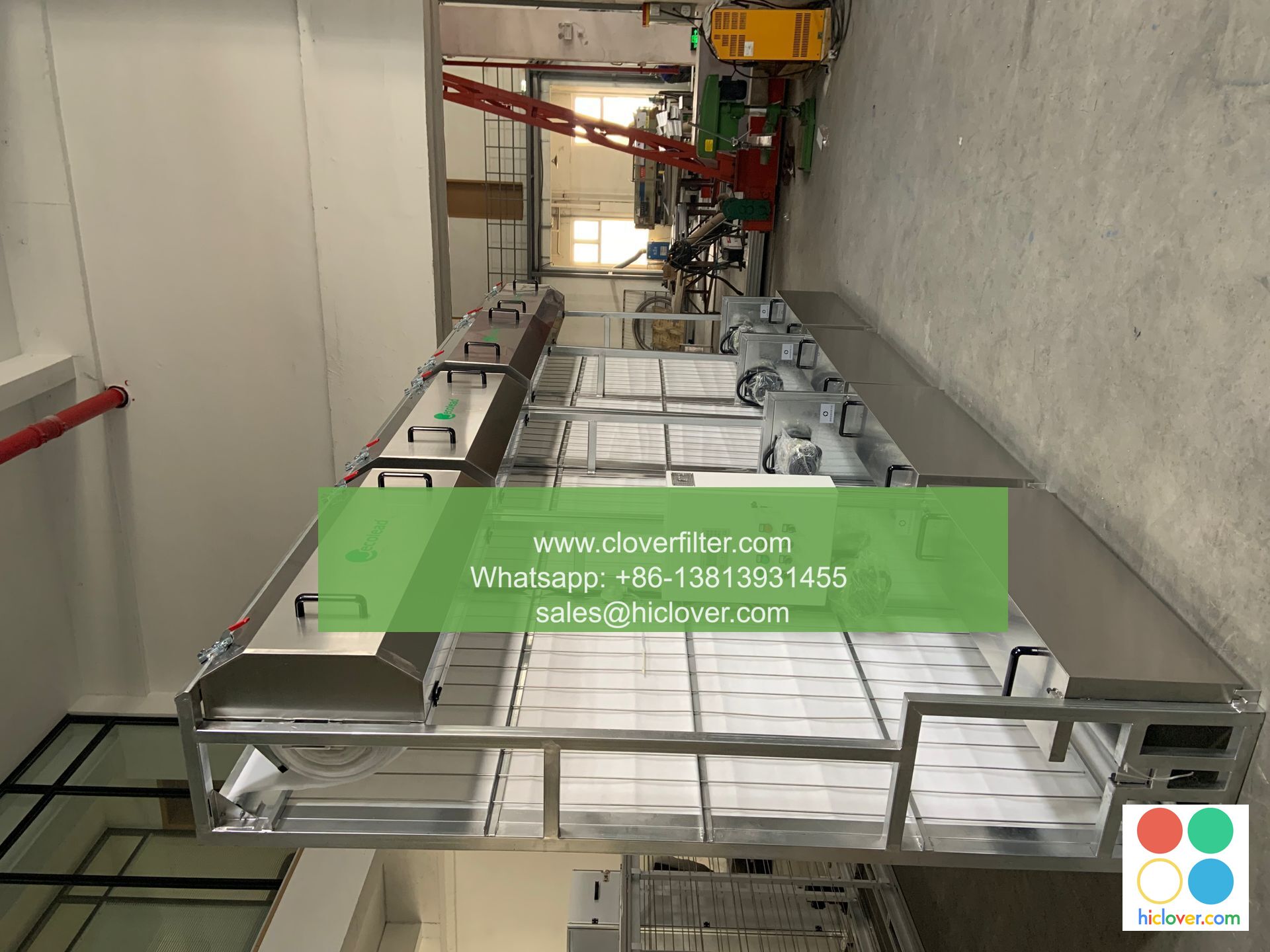
At their core, self-advancing roll filters function through a series of interconnected components:
- Filtration Medium: This is the primary component that traps particulate matter. It is designed to have a high surface area for maximum contamination capture.
- Roll Mechanism: The roll mechanism allows the filter to advance automatically as it collects debris, maintaining continuous operation without manual intervention.
- Control System: An integrated control system monitors air quality levels and activates the roll mechanism as needed, ensuring optimal performance.
- Increased Efficiency: Their automatic nature allows for uninterrupted operation, enhancing overall productivity.
- Cost-Effectiveness: Reduced equipment wear and tear translates to lower operational costs.
- Compliance: Helps construction companies adhere to environmental and health regulations.
- Worker Safety: By maintaining cleaner air, these filters lower the risk of respiratory issues among workers.
Applications of Self-Advancing Roll Filters in Skyscraper Construction
The adaptability and efficiency of self-advancing roll filters have led to their incorporation in various areas of skyscraper construction:
1. Dust Control
During the construction of towering buildings, dust can pose significant health risks to workers. Self-advancing roll filters systematically capture and contain dust particles, promoting a safer working environment.
2. Air Quality Maintenance
These filters are vital in maintaining air quality standards on construction sites. By continuously filtering out airborne contaminants, they help adhere to regulations and protect workers’ health.
3. Enhanced Equipment Longevity
By reducing the amount of airborne dust that can infiltrate machinery, self-advancing roll filters also contribute to the longevity and efficiency of construction equipment, thereby reducing maintenance costs.
4. Sustainability in Construction
As sustainability becomes a cornerstone of modern construction, self-advancing roll filters contribute significantly by minimizing waste and energy consumption, aligning with green building practices.
Benefits of Implementing Self-Advancing Roll Filters
Implementing self-advancing roll filters in skyscraper construction sites presents numerous benefits:
Conclusion
As skyscrapers continue to dominate city skylines, the need for innovation in construction technology becomes increasingly apparent. Self-advancing roll filters represent a leap forward in managing air quality and enhancing safety on site. As the industry moves toward greater efficiency and sustainability, understanding and utilizing such technologies will be critical in shaping the future of skyscraper construction.
Of course! What topic or theme would you like the prompt to focus on? Here are a few categories to choose from:
1. Creative Writing
2. Personal Reflection
3. Science Fiction
4. Fantasy
5. Non-Fiction
6. Art and Design
Feel free to specify any particular elements or constraints for the prompt, as well!
