Filter Maintenance and Replacement Strategies for Automatic Roll Air Filters in Electronics Manufacturing Plants in Mexicali
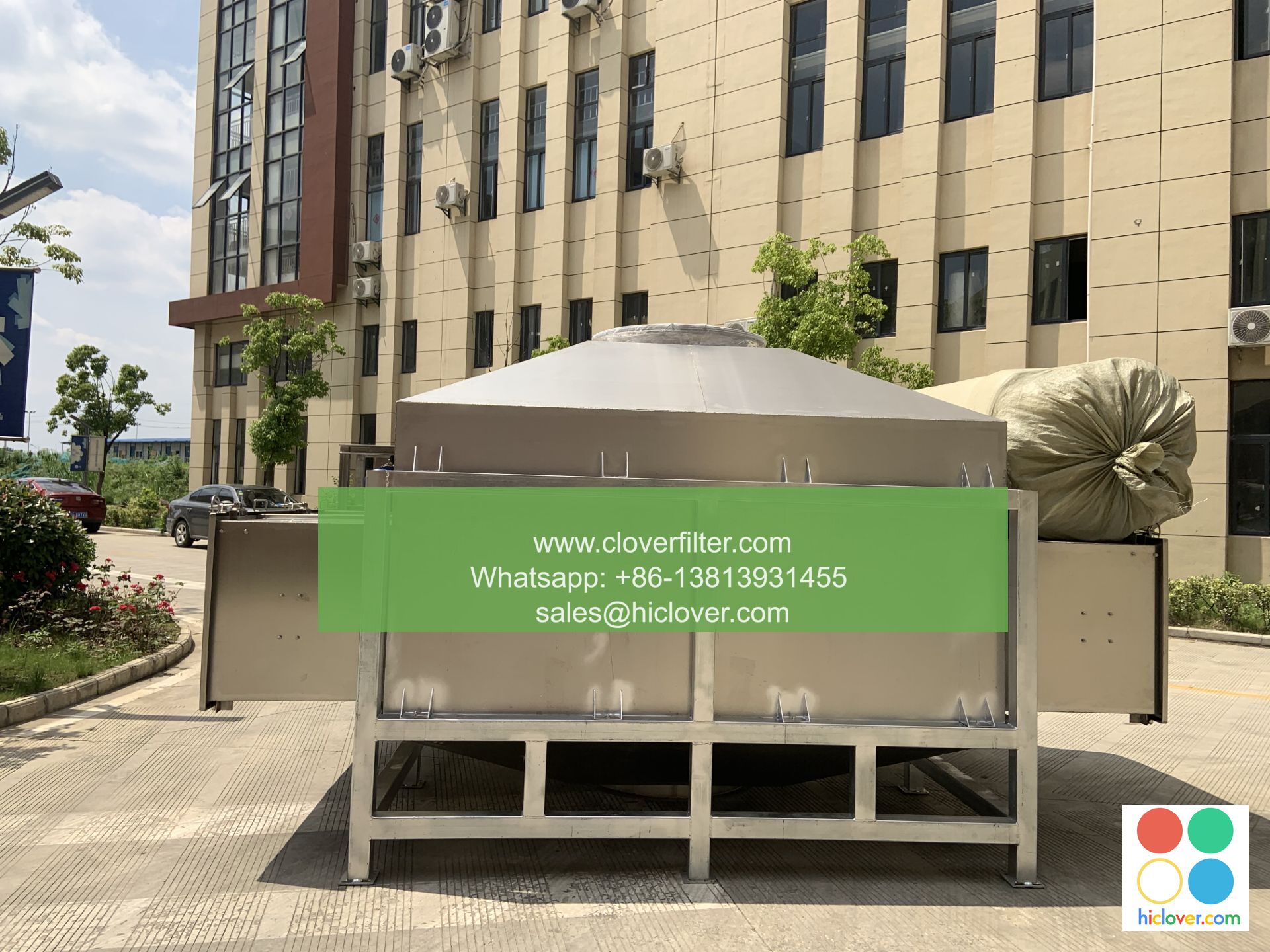
In the competitive landscape of electronics manufacturing, particularly in regions like Mexicali, maintaining a clean and controlled environment is crucial for ensuring product quality and operational efficiency. One essential element of this environment is the automatic roll air filters, which play a vital role in managing airborne contaminants. This article delves into effective filter maintenance and replacement strategies tailored for electronics manufacturing facilities.
Understanding Automatic Roll Air Filters

Automatic roll air filters are designed to continuously capture dust, smoke, and other particulates from the air. Their efficiency is paramount in sensitive environments such as:
- Semiconductor production
- Assembly of electronic components
- Quality control labs
In Mexicali, where the electronic manufacturing sector is booming, the reliability of these filters directly influences operational performance and compliance with health and safety regulations.

Importance of Filter Maintenance
Regular maintenance of automatic roll air filters is essential to ensure that they function optimally. Neglecting this aspect can lead to:
- Increased energy costs due to higher resistance in clogged filters
- Decreased air quality impacting the manufacturing output
- Shorter equipment life cycles from the accumulation of harmful particles
In electronics manufacturing, where precision is key, maintaining air quality is crucial to preventing contamination and ensuring a stable manufacturing process.
Effective Maintenance Strategies
1. Scheduled Inspections
Conduct regular inspections of filters according to a predetermined schedule. This includes checking:
- Filter integrity for tears or damage
- Accumulation of particulates
- Overall system performance indicators
2. Cleaning Protocols
Implement cleaning protocols tailored to the specific type of filter. For instance:
- Pre-filter maintenance: Use compressed air to clean filters without damaging the media.
- Deep cleaning: For washable filters, ensure they are thoroughly cleaned to maintain airflow efficiency.
3. Continuous Monitoring Systems
Utilizing smart sensors can enhance the filter maintenance process. These systems can:
- Provide real-time data on air quality and filter pressure drop
- Trigger alerts for maintenance or replacements, thus minimizing downtime
Replacement Strategies for Automatic Roll Air Filters
Establishing a robust filtration replacement strategy is crucial for sustained air quality and equipment efficiency. Here are several effective strategies:
1. Predictive Replacement Models
Analyzing historical data to predict when filters will need replacement based on usage patterns is advantageous. Factors to consider include:
- Manufacturing volume
- Environmental conditions
- Filter type and specifications
2. Inventory Management
Maintain a dedicated inventory of filters that are commonly used in your facility. Having an adequate stock helps ensure prompt replacements without causing production delays.
3. Supplier Partnerships
Form strategic partnerships with filter suppliers to ensure competitive pricing and access to the latest filter technology. Ensure suppliers can provide timely deliveries to meet your facility’s needs.
Conclusion
Implementing stringent filter maintenance and replacement strategies for automatic roll air filters is vital for electronics manufacturing facilities in Mexicali. A well-maintained filtration system not only ensures compliance with quality standards but also enhances overall productivity and environmental safety.
By prioritizing these strategies, manufacturers can significantly reduce downtime, improve air quality, and maintain an efficient manufacturing environment.
