Filtering Out the Facts: Separating Myth from Reality in Air Filter Initiatives
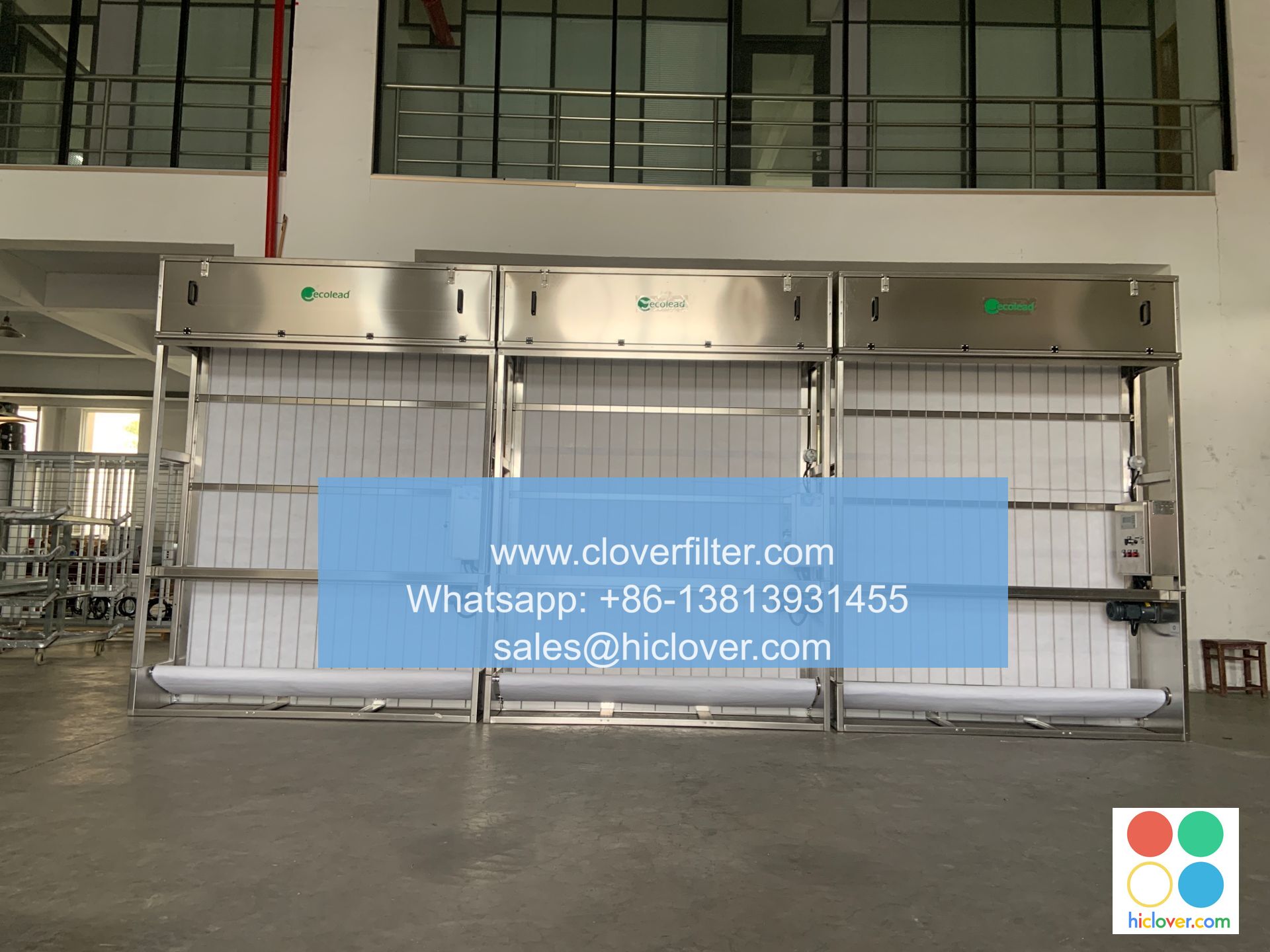
Air filter initiatives have been a topic of discussion in recent years, with many companies and organizations promoting their products as the solution to indoor air pollution. However, with so many options available, it can be difficult to separate fact from fiction. In this article, we will delve into the world of air filter initiatives, highlighting various application areas, and exploring the key considerations for indoor air quality (IAQ) improvement, air purification systems, and filtration technology.
Understanding Air Filter Initiatives
Air filter initiatives aim to improve indoor air quality by removing airborne pollutants, such as particulate matter (PM), volatile organic compounds (VOCs), and other gases. These initiatives can be applied in various settings, including commercial buildings, residential homes, and industrial facilities. The goal of these initiatives is to create a healthier indoor environment, reducing the risk of respiratory problems, allergies, and other health issues associated with poor air quality.
Evaluating Air Filter Effectiveness
When evaluating air filter effectiveness, it is essential to consider the Minimum Efficiency Reporting Value (MERV) rating, which measures a filter’s ability to capture particles of different sizes. A higher MERV rating indicates a more effective filter. Additionally, HEPA (High Efficiency Particulate Air) filters are known for their high efficiency in capturing 99.97% of particles as small as 0.3 microns. However, it is crucial to note that not all air filters are created equal, and some may be more effective in specific application areas, such as hospital settings or industrial processes.
Application Areas for Air Filter Initiatives
Air filter initiatives can be applied in various settings, including:
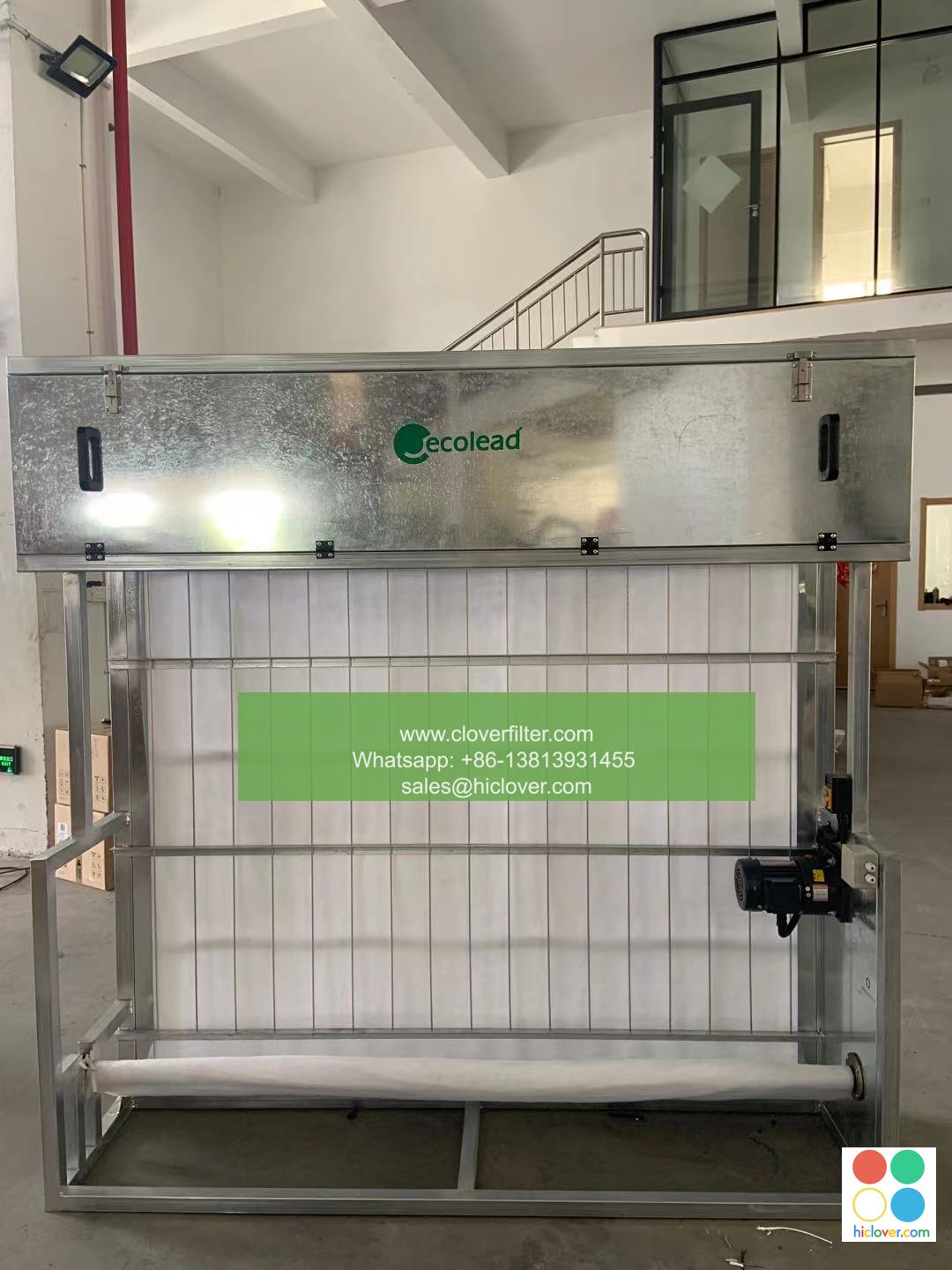
- Commercial buildings: Office buildings, shopping centers, and restaurants can benefit from air filter initiatives to improve indoor air quality and reduce the risk of sick building syndrome.
- Residential homes: Homeowners can improve indoor air quality by using air filters in their HVAC systems or standalone air purifiers.
- Industrial facilities: Industrial settings, such as manufacturing plants and warehouses, can benefit from air filter initiatives to reduce occupational exposure to airborne pollutants.
- Healthcare settings: Hospitals, clinics, and other healthcare facilities require high-level air filtration to prevent the spread of infectious diseases and reduce the risk of hospital-acquired infections.
Key Considerations for Air Filter Initiatives
When implementing air filter initiatives, it is essential to consider the following key factors:
- Filtration efficiency: Choose air filters with high MERV ratings or HEPA filters for optimal performance.
- Airflow rate: Ensure that the air filter can handle the required airflow rate for the specific application area.
- Filter maintenance: Regularly maintain and replace air filters to ensure optimal performance and prevent filter bypass.
- Cost-benefit analysis: Evaluate the costs and benefits of air filter initiatives, including the potential return on investment (ROI) and cost savings from reduced energy consumption and maintenance costs.

Conclusion
In conclusion, air filter initiatives can be an effective way to improve indoor air quality, but it is crucial to separate fact from fiction and evaluate the effectiveness of these initiatives. By understanding the various application areas and key considerations, individuals and organizations can make informed decisions about air filter initiatives and create a healthier indoor environment. Whether you are looking to improve indoor air quality, reduce energy consumption, or promote occupational health and safety, air filter initiatives can be a valuable solution. By filtering out the facts and focusing on the key considerations, you can make a positive impact on the health and well-being of individuals in various settings. You haven’t provided a question or topic for me to address. Please provide more context or information so I can assist you better. What would you like to talk about or ask?
