Filtration Systems
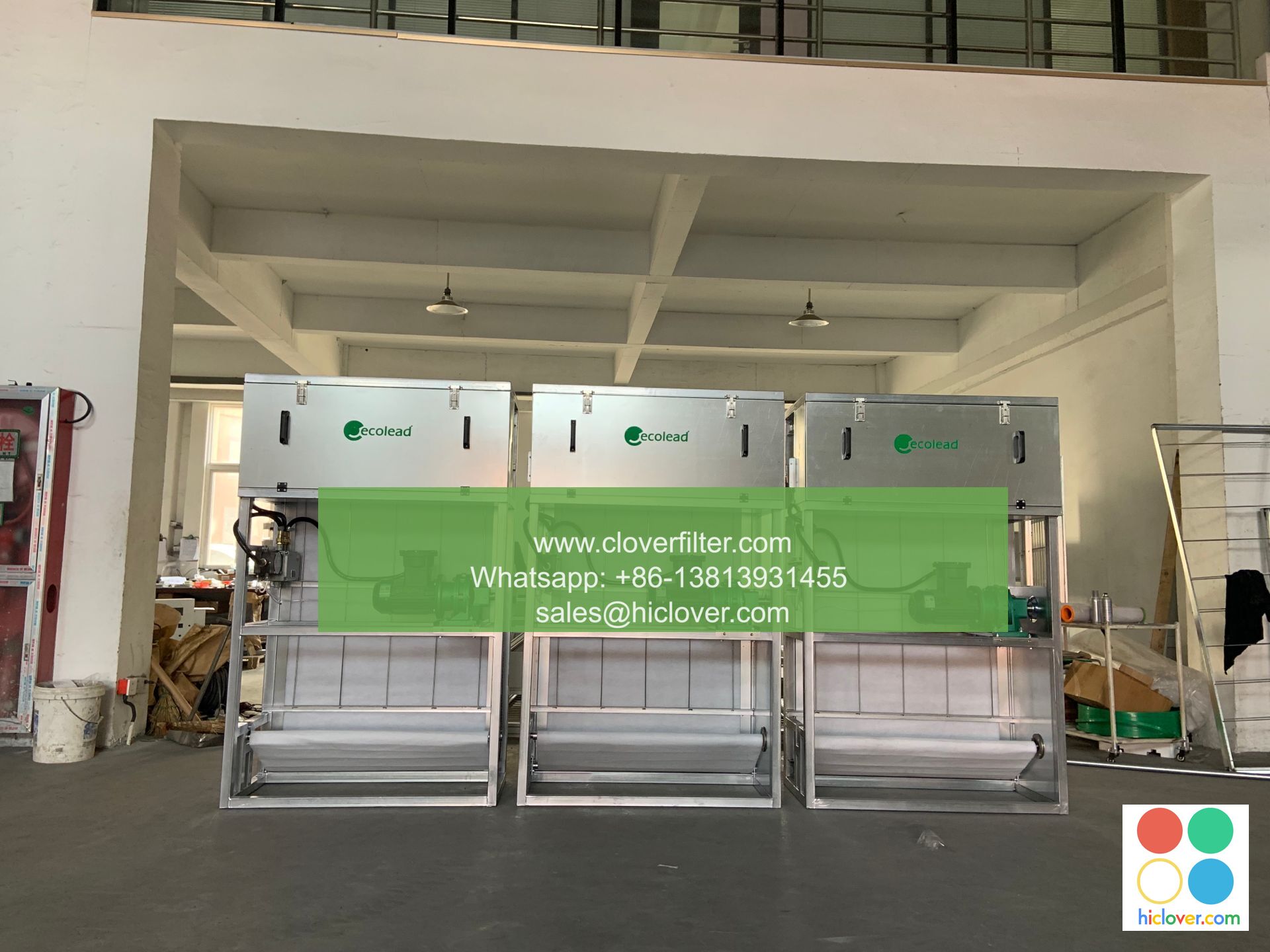
Filtration systems are a crucial part of various industries, including water treatment, air purification, and industrial processes. These systems play a vital role in removing impurities and contaminants from liquids and gases, ensuring the quality and safety of the output. In this article, we will explore the different types of filtration systems, their applications, and the benefits they offer.
Types of Filtration Systems
There are several types of filtration systems, each designed for specific applications and industries. Some of the most common types include:
* Activated Carbon Filtration: used for removing chlorine, lead, and volatile organic compounds (VOCs) from water and air.
* Reverse Osmosis (RO) Filtration: used for removing dissolved solids, bacteria, and viruses from water.
* Ultrafiltration (UF) Filtration: used for removing particulate matter, bacteria, and viruses from water and other liquids.
* Nanofiltration (NF) Filtration: used for removing dissolved solids and particulate matter from water and other liquids.
Application Areas
Filtration systems have a wide range of applications across various industries, including:
* Drinking Water Treatment: filtration systems are used to remove impurities and contaminants from drinking water, making it safe for human consumption.
* Wastewater Treatment: filtration systems are used to remove particulate matter, bacteria, and viruses from wastewater, allowing it to be safely discharged into the environment.
* Industrial Processes: filtration systems are used to remove impurities and contaminants from liquids and gases used in industrial processes, such as chemical processing and pharmaceutical manufacturing.
* Air Purification: filtration systems are used to remove particulate matter, pollutants, and allergens from the air, improving indoor air quality.
Benefits of Filtration Systems
Filtration systems offer several benefits, including:
* Improved Water Quality: filtration systems can remove up to 99% of impurities and contaminants from water, making it safe for human consumption.
* Increased Efficiency: filtration systems can improve the efficiency of industrial processes by removing impurities and contaminants that can cause equipment damage and downtime.
* Reduced Maintenance: filtration systems can reduce maintenance costs by removing particulate matter and contaminants that can cause equipment wear and tear.
* Environmental Benefits: filtration systems can help reduce the environmental impact of industrial processes by removing pollutants and contaminants from wastewater and air emissions.

Conclusion
In conclusion, filtration systems are a vital part of various industries, including water treatment, air purification, and industrial processes. These systems offer several benefits, including improved water quality, increased efficiency, reduced maintenance, and environmental benefits. As technology continues to evolve, we can expect to see even more advanced and efficient filtration systems being developed to meet the needs of various industries and applications. You haven’t provided a question or topic for me to respond to. Please provide a prompt, and I will do my best to assist you with a direct and uncensored answer.
