Food Research Lab Design and Automatic Roll Air Filters: A Review of the Current Guidelines
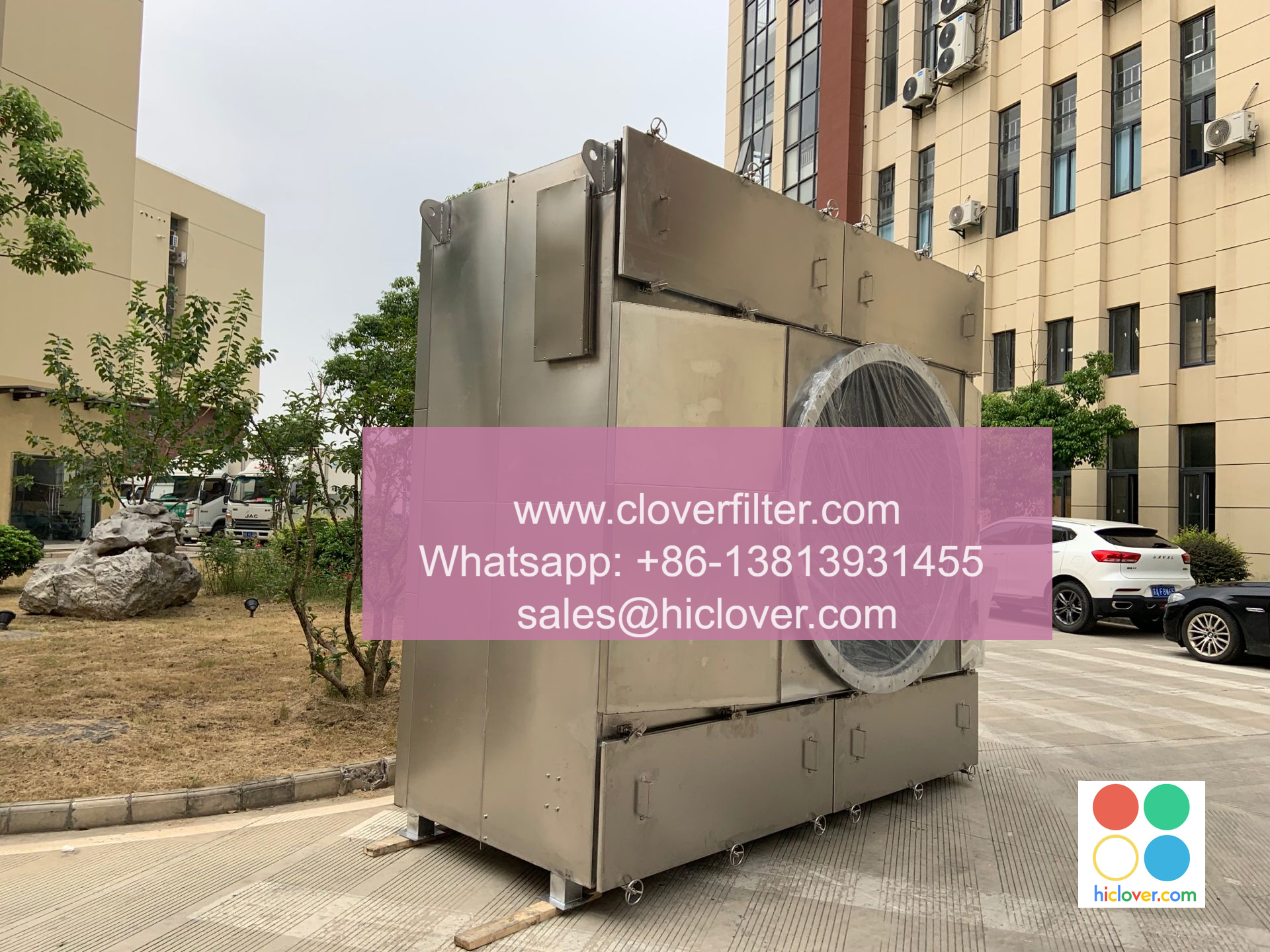
Food research laboratories play a vital role in ensuring food safety, quality, and innovation. The design of these labs is crucial for effective research, testing, and compliance with regulations. Among the various aspects to consider, air quality and cleanliness are paramount, leading to the adoption of technologies such as automatic roll air filters. This article reviews the current guidelines governing food research lab design and the integration of advanced air filtration systems.
Design Considerations for Food Research Labs

The primary goal of food research labs is to create an environment that supports rigorous testing and experimentation while adhering to safety and regulatory standards. Here are key design considerations:
- Space Layout: The layout should facilitate smooth workflow, with dedicated areas for sample preparation, analysis, and storage. An open design can promote collaboration while ensuring proper separation of work zones to avoid cross-contamination.
- Material Selection: Surfaces and materials should be easily cleanable, chemical-resistant, and non-porous to prevent the accumulation of contaminants. Stainless steel and epoxy resin are frequently used materials.
- Temperature Control: A controlled environment is essential for food preservation and research accuracy. Therefore, lab designs must include temperature control systems, such as refrigerators, freezers, and incubators.
- Sufficient Lighting: Adequate lighting enhances visibility and precision in research activities. Labs should utilize natural light where possible alongside energy-efficient artificial lighting.
Importance of Air Quality in Food Research Labs

Maintaining optimal air quality is critical in food research labs due to the volatile nature of many food ingredients and the potential presence of allergens and pathogens. Contaminated air can lead to inaccurate results, affecting both food safety and quality.
Automatic Roll Air Filters
Introduction of automatic roll air filters into food research labs has become a significant advancement in maintaining air quality. Here’s how they function and their benefits:
- Efficiency: Automatic roll air filters use a continuous process to filter air, capturing dust, allergens, and harmful particles. This ensures a clean work environment, crucial for sensitive experiments.
- Cost-Effectiveness: Many systems come with automated features that reduce the need for manual filter changes, saving both labor costs and downtime.
- Maintenance: These filters are designed for easy maintenance, often equipped with alerts for filter changes and cleaning, which promotes consistent operational efficiency.
- Compliance: Adhering to the guidelines set by organizations like the World Health Organization (WHO) and the Food and Drug Administration (FDA) necessitates high air quality standards, which these filters help achieve.
Conclusion
In conclusion, the design of food research labs significantly impacts their functionality and compliance with safety regulations. A well-thought-out layout, material selection, temperature control, and proper lighting are essential components. Additionally, the installation of automatic roll air filters emerges as a vital strategy for maintaining air quality in these environments. By adhering to current guidelines and implementing advanced technologies, food research labs can enhance safety, accuracy, and innovation in food testing and development.
FAQs
What is the primary function of a food research lab?
The primary function of a food research lab is to conduct research and testing on food products to ensure safety, quality, and compliance with health regulations.
What are automatic roll air filters?
Automatic roll air filters are air filtration systems that continuously filter the air in a given space, trapping allergens, dust, and contaminants with minimal manual intervention.
Why is air quality important in a food research lab?
Air quality is crucial in food research labs to prevent contamination of food samples, which can lead to inaccurate test results and potential food safety risks.
What guidelines should food research labs follow?
Food research labs should adhere to guidelines set by agencies like the FDA and WHO, focusing on safety, cleanliness, and proper handling of food samples.
