Food Research Lab Design and Automatic Roll Air Filters: A Review of the Current Trends
Introduction to Food Research Lab Design
The design of food research laboratories is critical for ensuring that food safety, quality, and innovation standards are met. As the demand for food products continues to increase globally, the significance of well-structured food research labs becomes more pronounced. These labs must adhere to regulatory compliance while also promoting efficiency and sustainability in research practices. Key elements in the design of such laboratories include specialized zones for different disciplines such as microbiology, chemistry, and sensory analysis, as well as the latest in technological integrations.

Current Trends in Food Research Lab Design
Modern food research labs are trending toward open-plan layouts that enhance collaboration among scientists and researchers. These designs encourage interdisciplinary approaches to problem-solving and innovation. Moreover, the integration of modular furniture allows for flexibility in the laboratory setup, adapting easily to the needs of various projects.
Additionally, sustainable design is becoming paramount. Many laboratories are incorporating energy-efficient appliances, eco-friendly materials, and waste recycling systems as a part of their lab design to minimize their environmental impact. Moreover, laboratories are increasingly leveraging smart technology for data collection, analysis, and management, bolstering their operational efficiency.
Role of Automatic Roll Air Filters in Food Research Labs
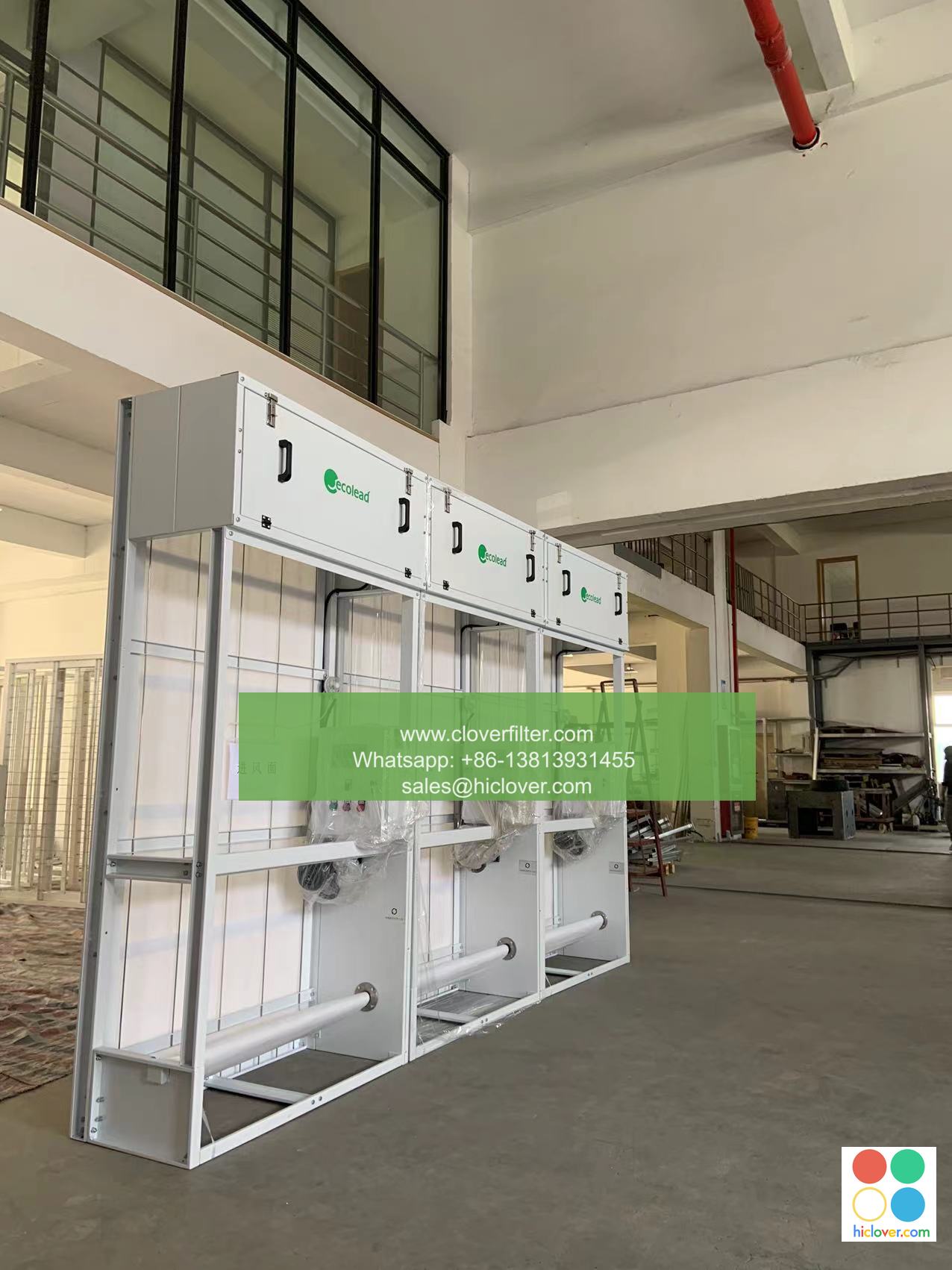
Automatic roll air filters have emerged as a critical component in maintaining air quality within food research labs. These filtration systems are designed to remove airborne contaminants, including dust, allergens, and microorganisms that could compromise food safety and research accuracy. Using a series of high-efficiency particulate air (HEPA) filters, these systems ensure that clean air is continuously circulated, significantly reducing the risk of contamination.

Another significant advantage is their automation capabilities, allowing for the air filters to adjust to different airflow requirements based on real-time data. This feature not only optimizes energy consumption but also ensures a consistently high level of air quality, which is crucial for sensitive food testing and analysis.
Integration of Air Filtration Systems in Lab Design
The integration of automatic roll air filters in food research lab design is increasingly seen as essential for compliance with health and safety regulations. As food scientists engage in various research activities, the risk of cross-contamination becomes a primary concern. Consequently, labs are designed with dedicated clean zones, where air filtration systems work continuously to maintain a strict hygienic environment.
Moreover, the combination of air filtration technology and laboratory design leads to improved worker comfort and productivity. Clean air not only ensures safer working conditions but also enhances overall well-being, allowing researchers to focus on their vital tasks without the distraction of poor air quality.
Conclusion
The design of food research laboratories is evolving rapidly to meet the growing demands of the field while ensuring safety and sustainability. Automatic roll air filters play a crucial role in enhancing air quality and protecting the integrity of research. As laboratories continue to embrace technological advancements and sustainable practices, they will undoubtedly become more efficient, adaptable, and innovative spaces for food research.
Frequently Asked Questions (FAQs)
1. Why is lab design important in food research?
Lab design is essential to facilitate effective workflows, ensure safety, and comply with regulatory standards, leading to better research outcomes.
2. What are the benefits of using automatic roll air filters?
Automatic roll air filters improve air quality, reduce contamination risks, and enhance energy efficiency in food research laboratories.
3. How can sustainability be incorporated into lab design?
Sustainability can be achieved through energy-efficient equipment, eco-friendly materials, and waste management systems in laboratory design.
4. What trends are currently influencing food research lab designs?
Current trends include open-plan layouts, modular furniture, enhanced collaboration spaces, and the incorporation of smart technology in research processes.
