From Concept to Implementation: Designing Automatic Coil Protection Filters
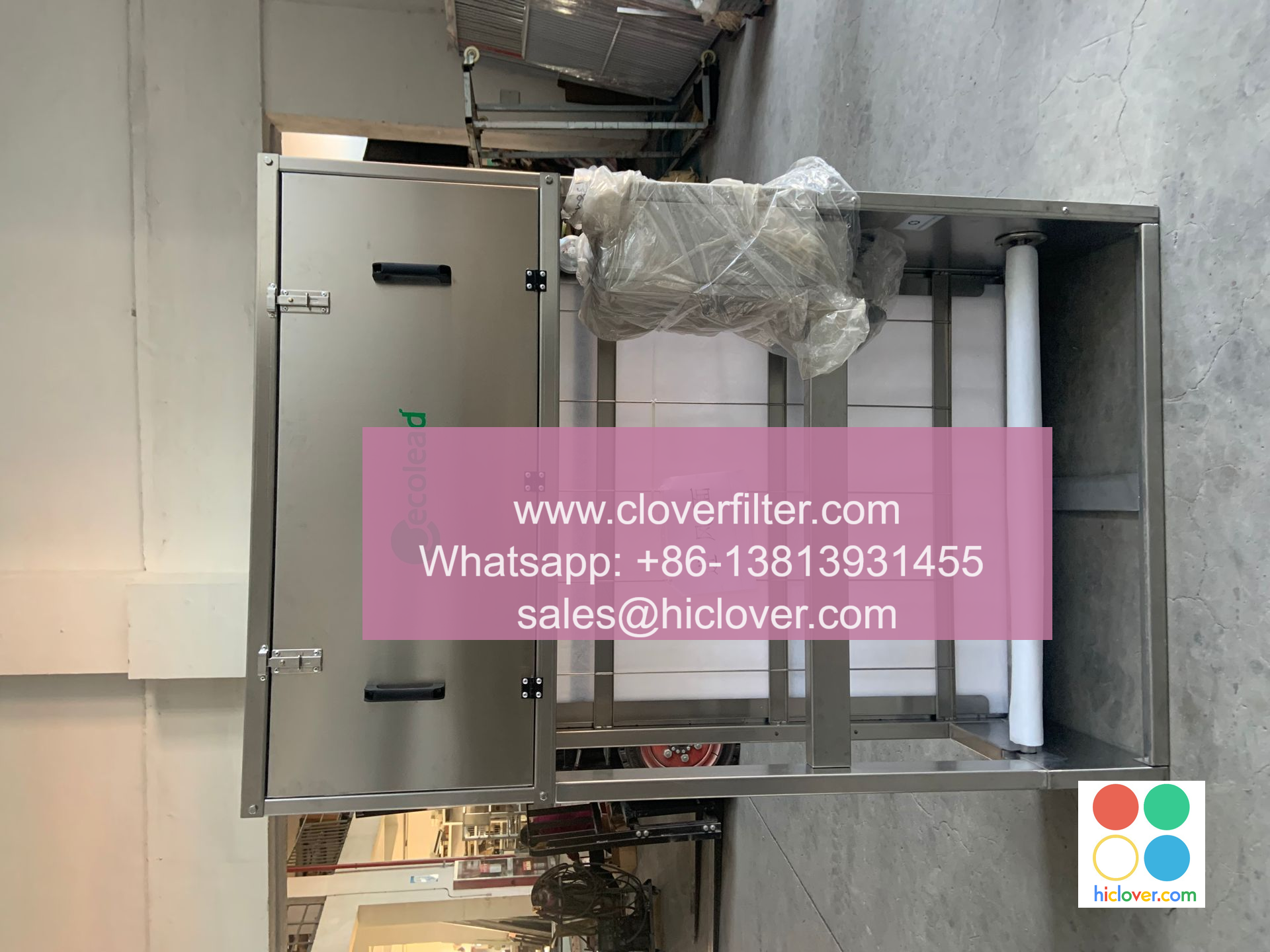
The advancement of technology in various industries relies heavily on the effectiveness of electronic components. One such component that has gained significant attention is the automatic coil protection filter. This article delves into the journey from the conception of these filters to their implementation, examining key design considerations and highlighting various application areas.
Understanding Automatic Coil Protection Filters

Automatic coil protection filters are critical components used to safeguard electronic devices from electrical noise and interference. They serve to protect coils and inductive components in devices by filtering out unwanted frequencies and stabilizing signal integrity. By providing a barrier against electromagnetic interference (EMI), these filters enhance the efficiency and longevity of electronic circuits.
Key Features of Automatic Coil Protection Filters
When designing an automatic coil protection filter, several key features must be considered:
1. High Cut-Off Frequency
A well-designed filter should have a high cut-off frequency to ensure that the desired signals pass through while effectively attenuating harmful noise. This aspect is crucial for maintaining the quality of the output signal.

2. Compact Size
In an era where space is at a premium, especially in consumer electronics, the physical dimensions of a coil protection filter are important. Designers must aim for a compact yet effective design that can fit into various applications without compromising performance.
3. Temperature Stability
Temperature fluctuations can affect filter performance. Incorporating temperature-stable materials and design strategies ensures that the filter functions optimally across varying conditions.
4. Automatic Functionality
As the name suggests, automatic coil protection filters need to operate with minimal manual intervention. Implementing smart technologies that can adapt to changing conditions in real-time is essential for achieving automation.
The Design Process
1. Conceptualization
The design process starts with a detailed conceptual plan, which involves identifying the specific needs of the application. Engineers collaborate with stakeholders to outline the specifications that the filter must meet.
2. Simulation and Modeling
Once the concept is defined, simulation software plays a crucial role in evaluating the performance of the design. Engineers use tools like SPICE simulations to model the electrical behavior of the proposed filter and make necessary adjustments before prototyping.
3. Prototyping
Creating a physical prototype allows for real-world testing of the design. This stage is vital for identifying any unforeseen issues and for validating the effectiveness of the filter in live scenarios.
4. Testing and Validation
Testing the prototype under various environmental conditions is essential to ensure that the automatic coil protection filter meets its specified requirements. Engineers will check parameters such as insertion loss, return loss, and temperature stability.
Implementation Across Various Application Areas
The application areas for automatic coil protection filters are extensive, reflecting their versatility in modern technological designs. Here are some key areas:
1. Consumer Electronics
In smartphones, laptops, and tablets, these filters help to improve signal quality and extend the lifespan of sensitive components. They mitigate noise, ensuring seamless operation in crowded electromagnetic environments.
2. Industrial Equipment
Automatic coil protection filters play a pivotal role in industrial machinery, especially in automated systems where reliability is paramount. They protect sensitive control electronics from EMI, improving overall equipment performance.
3. Automotive Systems
In the automotive industry, these filters are utilized to enhance the performance of electronic control units (ECUs) and prevent interference from various sources, including wireless communications and electric motors.
4. Telecommunications
In telecommunications infrastructure, maintaining signal integrity is crucial. Automatic coil protection filters help to ensure high-quality transmission and reception, reducing congestion and improving user experience.
Conclusion
The journey of designing automatic coil protection filters from concept to implementation is a meticulous process marked by innovation and meticulous attention to detail. With their application in various industries, these filters are integral to enhancing electronic device performance and longevity. As technology continues to evolve, the design of automatic coil protection filters will likely advance, leading to even more efficient and effective solutions for the challenges posed by electromagnetic interference.
By understanding the importance of these filters and their design requirements, stakeholders across industries can better appreciate their role in the future of electronic device functionality.
It seems like you entered “Prompt,” but I’m not sure what you’re asking for. Could you please provide more details or specify what kind of prompt you need? Whether it’s for writing, brainstorming, or something else, I’m here to help!
