From Manual to Automatic: Transforming Air Filtration in Office Towers
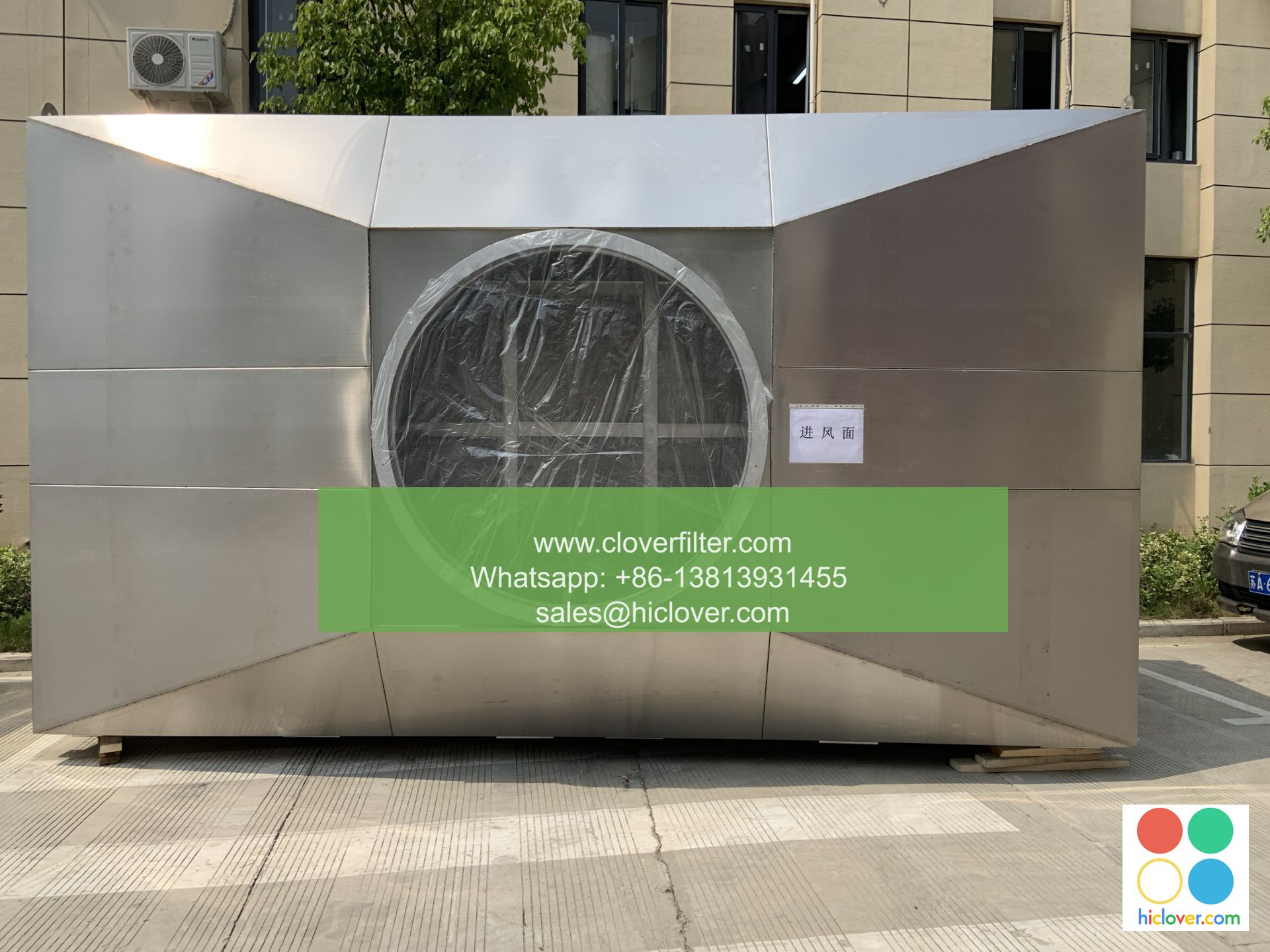
In the rapidly evolving landscape of urban development, the importance of maintaining optimal indoor air quality in office towers has never been more significant. As awareness of air quality and its impact on health grows, organizations are increasingly investing in advanced air filtration systems. This article explores the transition from manual to automatic air filtration systems and highlights the various application areas that benefit from this technological transformation.
The Shift to Automatic Air Filtration Systems
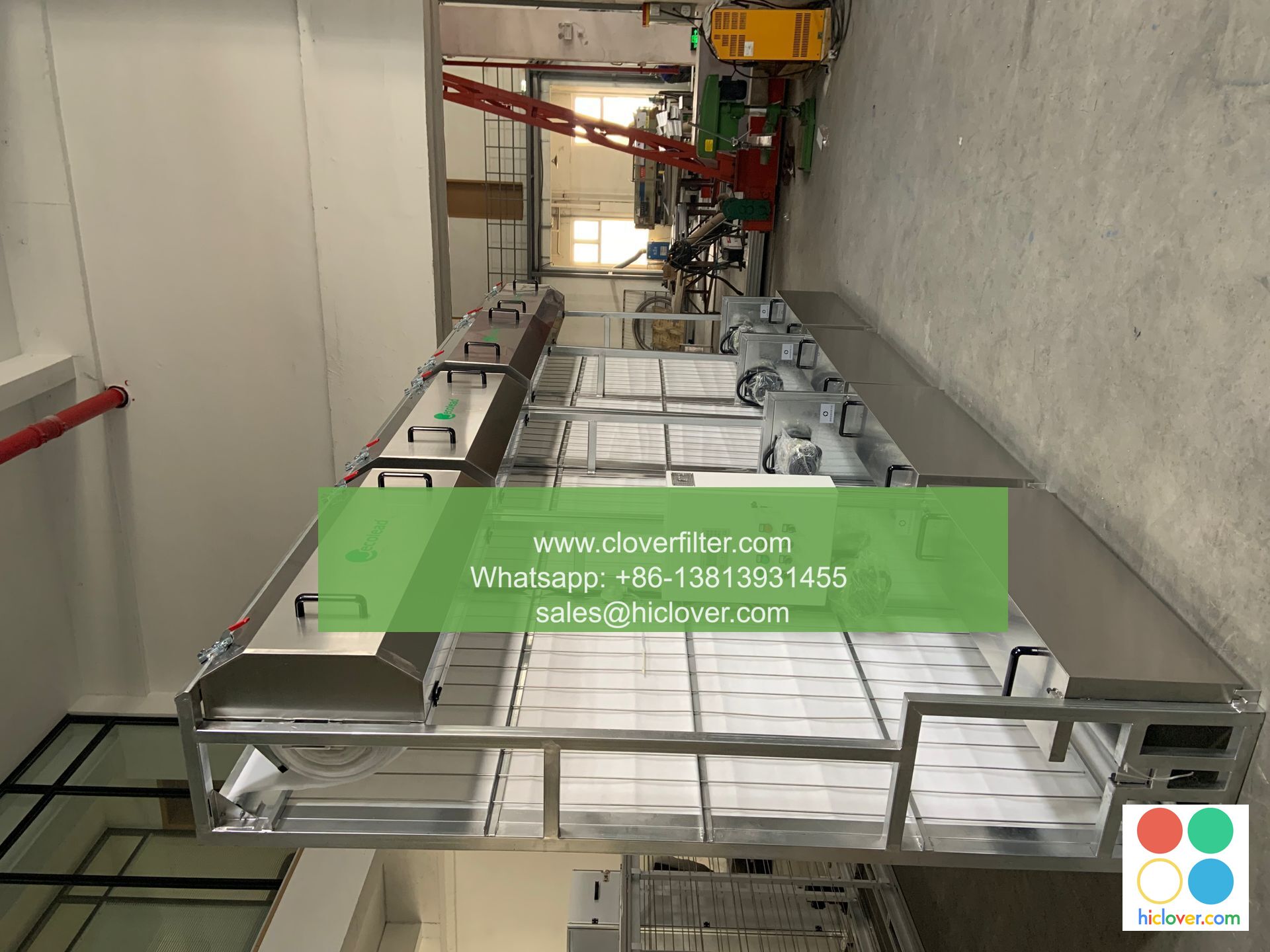
Traditionally, air filtration in commercial buildings relied on manual systems, which often involved regular maintenance, filter changes, and compliance checks by facility managers. While effective, these methods are time-consuming and prone to human error, potentially compromising air quality. In sharp contrast, automatic air filtration systems leverage smart technology, integrating sensors, real-time data monitoring, and automated controls to enhance efficiency and reliability.
Benefits of Automatic Air Filtration in Office Towers
- Enhanced Indoor Air Quality: Automatic systems continuously monitor air quality parameters and adjust filtration levels accordingly. This ensures that pollutants, allergens, and particulate matter are effectively removed from the air.
- Energy Efficiency: Advanced filtration systems can optimize energy use by adjusting airflow based on occupancy levels and air quality, significantly reducing operational costs.
- Reduced Maintenance Costs: Automated alerts notify facility managers when filters need changing, minimizing downtime and maintenance costs associated with manual checks.
- Data-Driven Insights: Using IoT technology, these systems provide valuable data on occupancy patterns, air quality trends, and filtration performance, helping managers make informed decisions.

Key Application Areas Transforming Office Environments
1. High-Rise Office Buildings
High-rise office buildings often struggle with air stagnation and varying air quality across floors. Automatic air filtration systems can address these challenges, providing a consistent and healthy environment throughout the building.
2. Co-Working Spaces
In co-working spaces where different companies share environments, maintaining air quality is crucial for health and productivity. Automatic systems ensure that each area meets specific air quality standards, enhancing occupant satisfaction.
3. Conference Centers
Conference centers hosting large gatherings require robust air filtration systems to maintain indoor air quality. Automatic systems can adapt to the number of attendees, automatically increasing filtration capacity during events.
4. Healthcare Facilities within Corporate Towers
Healthcare facilities situated within office towers must meet strict air quality regulations. Automatic filtration systems can reliably maintain these standards, ensuring a safe environment for both patients and healthcare professionals.
The Future of Air Filtration in Office Towers
The integration of automatic air filtration systems into office towers marks a significant leap toward healthier and more sustainable work environments. As technology continues to advance, we can expect even greater innovations in air quality management, making it possible to create smart buildings that prioritize occupant wellness. Building managers and facility operators must embrace these changes to stay competitive in an increasingly health-conscious market.
Conclusion
The transition from manual to automatic air filtration systems is pivotal in enhancing the indoor air quality of office towers. With increased awareness of environmental health, the demand for smarter, more efficient filtration solutions will only grow. By harnessing modern technology, we can transform our workspaces into healthier, more productive environments for all.
Sure! What kind of prompt are you looking for? It could be for writing, art, brainstorming ideas, or something else entirely. Let me know how I can help!
