Government Incentives for Installing Air Filters in Public Spaces
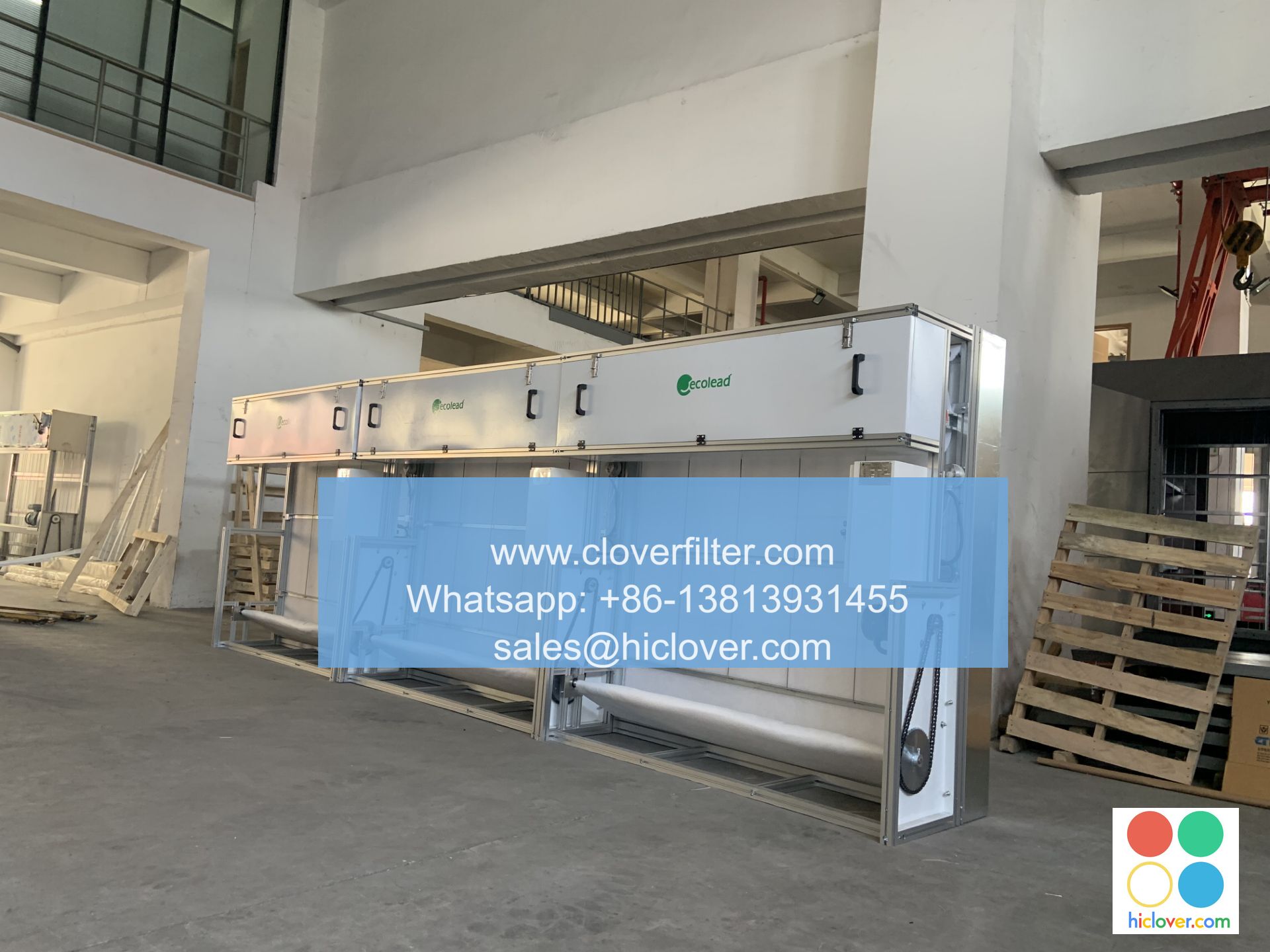
As concern over indoor air quality and air pollution continues to grow, governments around the world are introducing incentives to encourage the installation of air filters in public spaces. These initiatives aim to improve the health and wellbeing of citizens, while also promoting sustainable development and environmental protection.
Types of Government Incentives
Governments are offering a range of incentives to encourage the adoption of air filtration systems in public buildings, including:
* Tax credits and grants for businesses and organizations that install high-efficiency air filters
* Low-interest loans and financing options for air quality improvement projects
* Rebates and discounts on the purchase of air filtration equipment
* Public recognition and awards for organizations that demonstrate a commitment to indoor air quality
Application Areas
The installation of air filters in public spaces has a wide range of applications, including:
* Schools and universities, where good air quality is essential for student health and academic performance
* Hospitals and healthcare facilities, where air filtration is critical for patient safety and infection control
* Public transportation systems, such as buses and trains, where air filters can help reduce air pollution and improve passenger health
* Government buildings and public offices, where air quality can impact employee productivity and wellbeing
Benefits of Air Filters in Public Spaces
The installation of air filters in public spaces can have numerous benefits, including:
* Improved indoor air quality, which can help reduce respiratory problems and other health issues
* Increased energy efficiency, as air filtration systems can help reduce heating and cooling costs
* Enhanced public health, by reducing the transmission of airborne diseases and infections
* Support for sustainable development, by promoting environmental protection and reducing greenhouse gas emissions
Conclusion
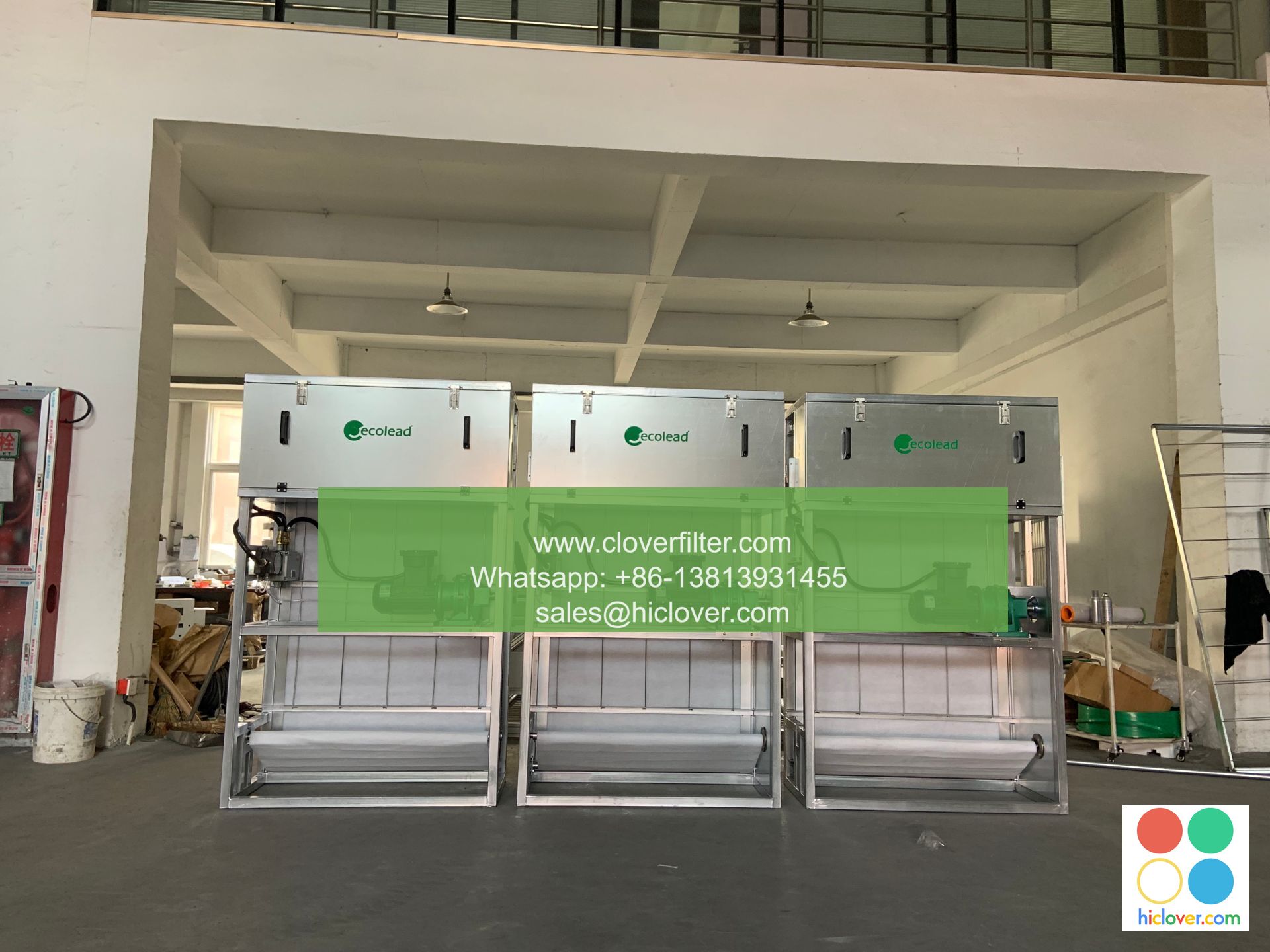
Government incentives for installing air filters in public spaces are an important step towards improving indoor air quality and promoting sustainable development. By providing financial incentives and support for air filtration projects, governments can encourage businesses and organizations to take action and create healthier, more sustainable public spaces. As concern over air pollution and indoor air quality continues to grow, it is likely that we will see even more initiatives and incentives aimed at promoting air filtration and public health. Prompt
