Green and Sustainable Air Filters: A Guide for the Environmentally Conscious
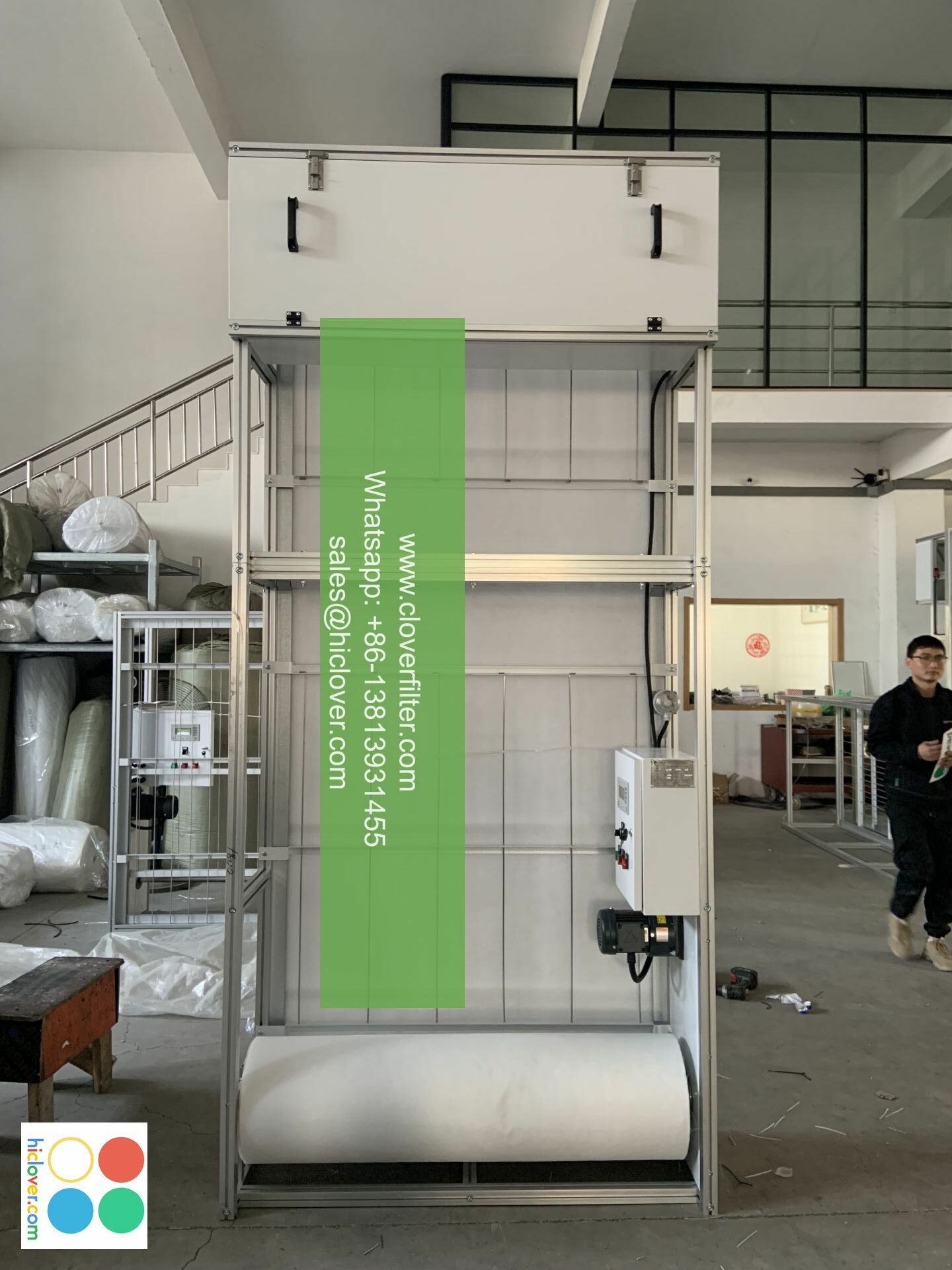
As the world becomes increasingly aware of the importance of environmental sustainability, the demand for eco-friendly and sustainable products is on the rise. One crucial aspect of creating a green and healthy indoor environment is the use of air filters that not only improve indoor air quality but also minimize their impact on the environment. In this article, we will explore the world of green and sustainable air filters, highlighting their benefits, applications, and the various eco-friendly technologies used in their production.
Benefits of Green and Sustainable Air Filters
The benefits of green air filters extend beyond just improving indoor air quality. These filters are designed to be energy-efficient, reducing the amount of energy required to power heating, ventilation, and air conditioning (HVAC) systems. This not only saves energy but also reduces greenhouse gas emissions, making them an excellent choice for environmentally conscious individuals and businesses. Additionally, sustainable air filters are often made from recyclable materials, reducing waste and minimizing their environmental footprint.
Application Areas of Green and Sustainable Air Filters
Green air filters have a wide range of applications across various industries, including:
* Residential buildings: Improving indoor air quality and reducing energy consumption in homes.
* Commercial buildings: Enhancing indoor air quality and reducing energy costs in offices, schools, and hospitals.
* Industrial settings: Providing clean air and reducing energy consumption in manufacturing facilities and warehouses.
* Transportation systems: Improving air quality in vehicles, buses, and trains.
Eco-Friendly Technologies Used in Green Air Filters
Several eco-friendly technologies are used in the production of green air filters, including:
* Activated carbon: A natural, non-toxic material that effectively removes pollutants and odors from the air.
* HEPA filters: High-efficiency particulate air filters that capture 99.97% of particles as small as 0.3 microns, making them an excellent choice for allergy sufferers and environmentally conscious individuals.
* Nano-fiber technology: A revolutionary technology that uses nanofibers to capture particles and pollutants, reducing energy consumption and improving indoor air quality.
* Biodegradable materials: Eco-friendly materials that are biodegradable and non-toxic, reducing waste and minimizing environmental impact.

Conclusion
In conclusion, green and sustainable air filters are an essential component of creating a healthy indoor environment while minimizing our impact on the environment. By choosing eco-friendly air filters, we can reduce energy consumption, improve indoor air quality, and contribute to a more sustainable future. As the demand for sustainable products continues to grow, it is essential to stay informed about the latest eco-friendly technologies and green innovations in the air filtration industry. By working together, we can create a healthier, more sustainable world for generations to come. Prompt
