Guelph Food Research Lab’s Experience with Automatic Roll Air Filter Installation and Commissioning
Introduction
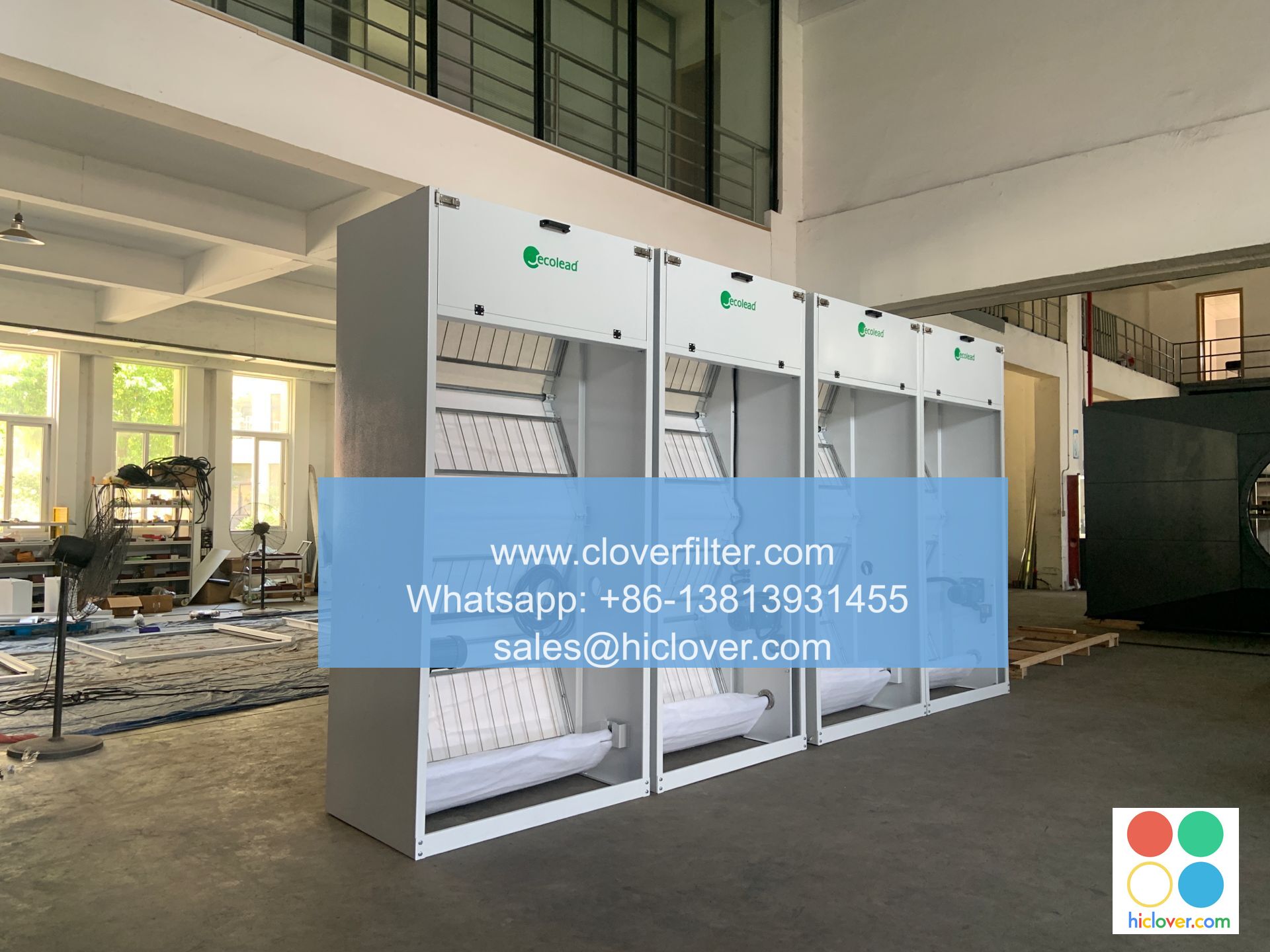
The Guelph Food Research Lab (GFRL) has long been recognized for its contributions to the study and development of food safety protocols and practices. Recently, the lab undertook a significant project: the installation and commissioning of an Automatic Roll Air Filter. This endeavor was aimed at enhancing air quality within the laboratory environment, ensuring that all research activities are conducted under optimal conditions. The project not only highlights the lab’s commitment to maintaining high standards but also its willingness to adopt cutting-edge technology.

The Need for Air Quality Improvement
In research laboratories like GFRL, maintaining controlled environments is of utmost importance. Level of airborne contaminants can affect the results of critical food safety experiments. The introduction of an Automatic Roll Air Filter was initiated to enhance air cleanliness while also providing a reliable, long-term solution. This system is designed to filter airborne particles, allergens, and pathogens, ensuring that the laboratory environment remains free of pollutants that might compromise food research.
Installation Process
The installation process for the Automatic Roll Air Filter was meticulously planned and executed. The first step involved a comprehensive assessment of the laboratory’s airflow needs. GFRL’s facility management team worked closely with air filtration specialists to identify the most suitable locations for the filter installation. A week-long timeline was outlined for the installation, ensuring minimal disruption to ongoing research activities.
The Technical Specifications
The chosen Automatic Roll Air Filter features advanced HEPA filtration technology capable of trapping particles as small as 0.3 microns. Furthermore, the system is equipped with sensors that monitor air quality levels in real-time. The benefits of these specifications include energy efficiency and the ability to operate quietly, which is a critical consideration in a research environment.

Commissioning Phase
Post-installation, the commissioning phase commenced to ensure that all systems were operational and met the design specifications. This involved rigorous testing of the Air Filter’s performance, including airflow, pressure differentials, and filtration efficiency. The lab team was actively involved throughout the process, gaining vital knowledge on the system’s operations and maintenance. Specialists provided training sessions to ensure lab personnel are well-versed in the system’s features and how to address potential issues.
Results and Impact
Since the installation of the Automatic Roll Air Filter, GFRL has observed a notable improvement in air quality metrics within the laboratory. Researchers have reported a 30% reduction in airborne particulate levels in targeted areas, contributing to a more sterile working environment. Moreover, the enhanced air quality has allowed for increased productivity and focus during research activities, ultimately leading to more reliable and precise results.
Conclusion
The installation and commissioning of the Automatic Roll Air Filter at the Guelph Food Research Lab has proven to be a valuable investment in ensuring optimal working conditions for researchers. By adopting advanced filtration technology, the lab has significantly enhanced its air quality and created a more conducive atmosphere for conducting critical food safety research. As GFRL continues to innovate and lead in food safety, such implementations serve as a model for other research facilities striving to uphold high standards.
FAQs
1. Why is air quality important in a food research lab?
Air quality is crucial in a food research lab as airborne contaminants can affect the precision and reliability of research results.
2. What kind of maintenance does the Automatic Roll Air Filter require?
The filter requires regular inspections and filter replacements based on the manufacturer’s guidelines to maintain optimal performance.
3. How does one monitor air quality within the lab?
The Automatic Roll Air Filter is equipped with sensors that continuously monitor air quality and provide real-time data to lab personnel.
4. Can the system be integrated with existing ventilation systems?
Yes, the Automatic Roll Air Filter is designed to integrate seamlessly with existing HVAC systems.
