Guelph Food Researchers’ Guide to Selecting the Right Automatic Roll Air Filter for Their Lab
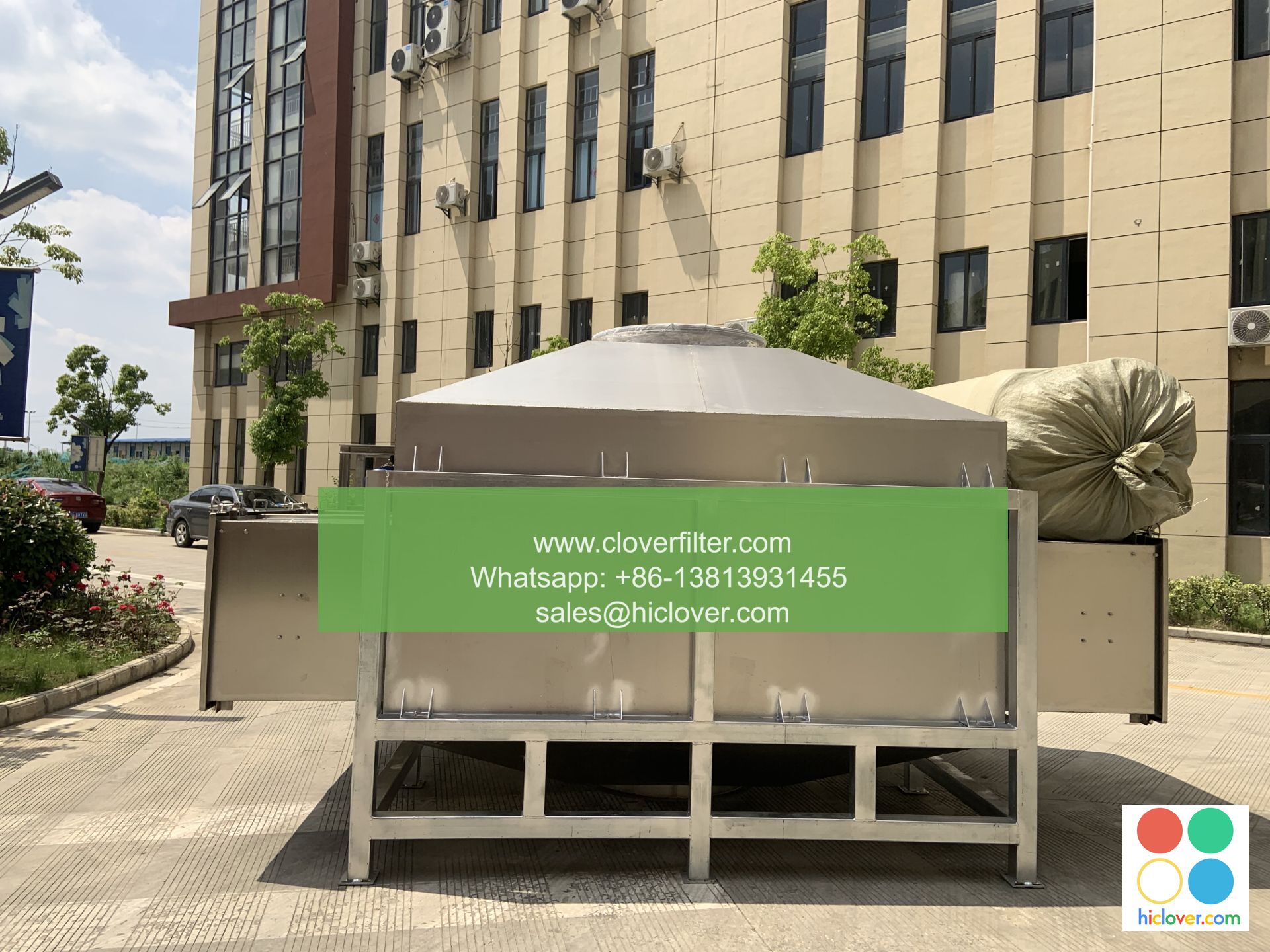
When it comes to maintaining a clean and safe environment in a laboratory, air filtration is of utmost importance. In a food research lab, where sensitive experiments and testing are conducted, the quality of air can significantly impact the accuracy of results and the health of researchers. One effective way to ensure clean air is by using an automatic roll air filter. However, with numerous options available in the market, selecting the right one can be overwhelming. In this article, we will guide Guelph food researchers through the process of choosing the most suitable automatic roll air filter for their lab.
First and foremost, it is crucial to understand the types of contaminants present in the lab. Food research labs often deal with particles such as dust, pollen, and microorganisms, which can affect the quality of air. Automatic roll air filters are designed to capture these particles, but their efficiency varies depending on the type of filter media used. For example, filters with a high MERV (Minimum Efficiency Reporting Value) rating are more effective at capturing smaller particles, including bacteria and viruses. Guelph food researchers should look for filters with a MERV rating of 14 or higher to ensure optimal air quality.
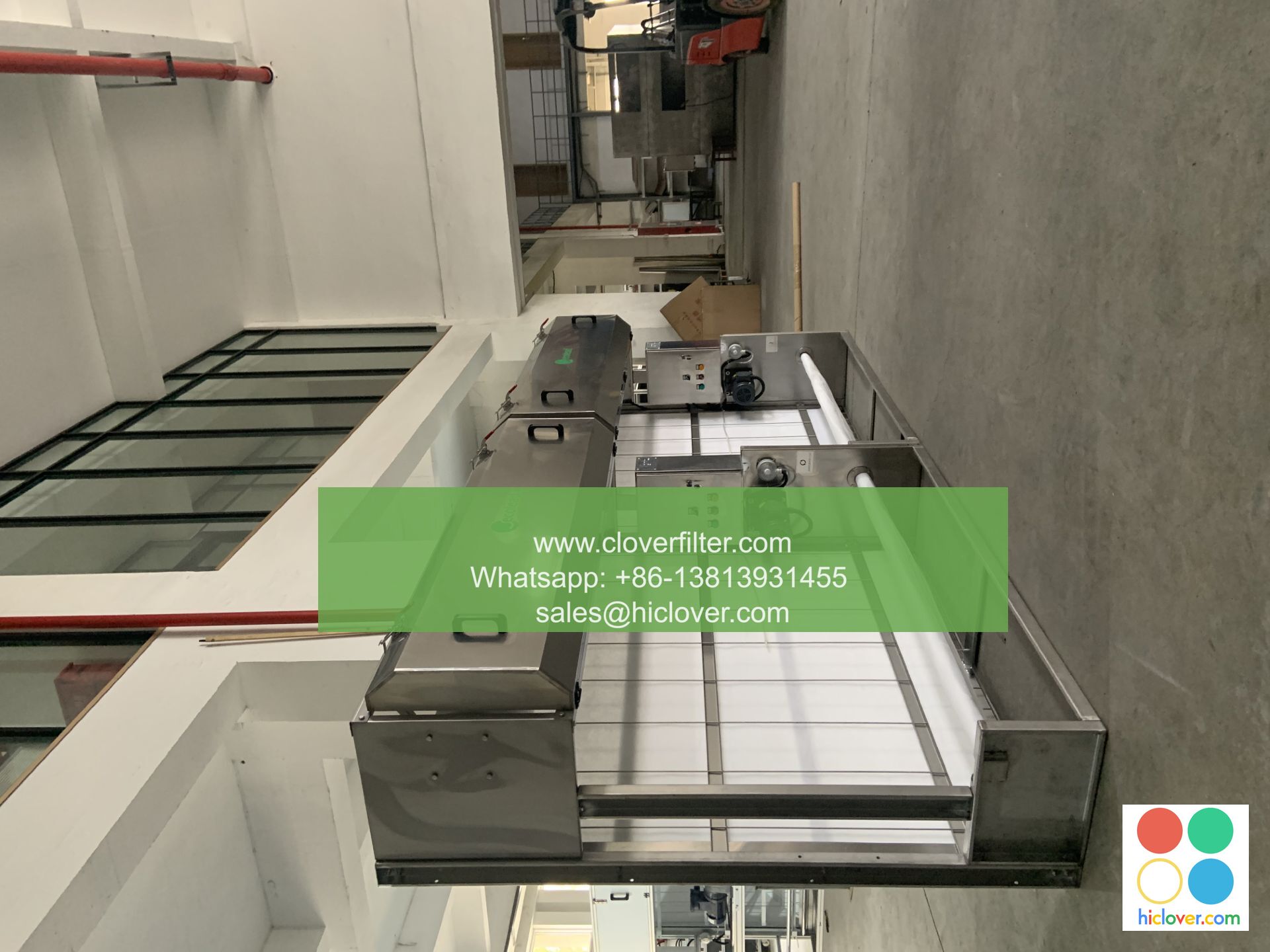
Another important consideration is the size of the filter. The filter should be large enough to handle the airflow requirements of the lab. A filter that is too small may not be able to capture all the particles, leading to reduced air quality. On the other hand, a filter that is too large may be unnecessary and wasteful. Guelph food researchers should calculate the airflow requirements of their lab and choose a filter that matches or exceeds those requirements.
The type of filter media is also a critical factor. Automatic roll air filters can be made from a variety of materials, including fiberglass, polyester, and activated carbon. Each material has its own strengths and weaknesses. For example, fiberglass filters are inexpensive and effective at capturing large particles, but may not be as effective at capturing smaller particles. Activated carbon filters, on the other hand, are excellent at capturing odors and gases, but may not be as effective at capturing particles. Guelph food researchers should choose a filter media that meets their specific needs.
In addition to the technical specifications, Guelph food researchers should also consider the maintenance and upkeep of the filter. Automatic roll air filters are designed to be easy to maintain, but some may require more frequent replacement or cleaning than others. Filters with a longer lifespan or those that are easy to clean can help reduce maintenance costs and minimize downtime.
Finally, Guelph food researchers should consider the cost of the filter. While it may be tempting to choose the cheapest option, this may not always be the best value. A more expensive filter may be more effective and require less maintenance, making it a better investment in the long run. Guelph food researchers should weigh the costs and benefits of each option and choose the filter that provides the best value for their lab.

In conclusion, selecting the right automatic roll air filter for a food research lab requires careful consideration of several factors, including the type of contaminants, filter size, filter media, maintenance, and cost. By taking the time to understand their specific needs and choosing a filter that meets those needs, Guelph food researchers can ensure a clean and safe environment for their experiments and testing.
Frequently Asked Questions
Q: What is the difference between a HEPA filter and a MERV filter?
A: HEPA (High Efficiency Particulate Air) filters are designed to capture 99.97% of particles as small as 0.3 microns, while MERV filters are rated based on their ability to capture particles of various sizes. A MERV 14 filter, for example, is equivalent to a HEPA filter.
Q: How often should I replace my automatic roll air filter?
A: The frequency of replacement depends on the type of filter and the conditions in which it is used. As a general rule, filters should be replaced every 1-3 months, or when they become dirty or clogged.
Q: Can I use an automatic roll air filter in a lab with hazardous materials?
A: It depends on the type of hazardous materials and the filter media used. Some filters are designed to capture hazardous particles, while others may not be suitable. Guelph food researchers should consult with the manufacturer and follow all safety protocols when working with hazardous materials.
