Guelph Food Researchers’ Guide to Troubleshooting Automatic Roll Air Filter Issues in Food Labs
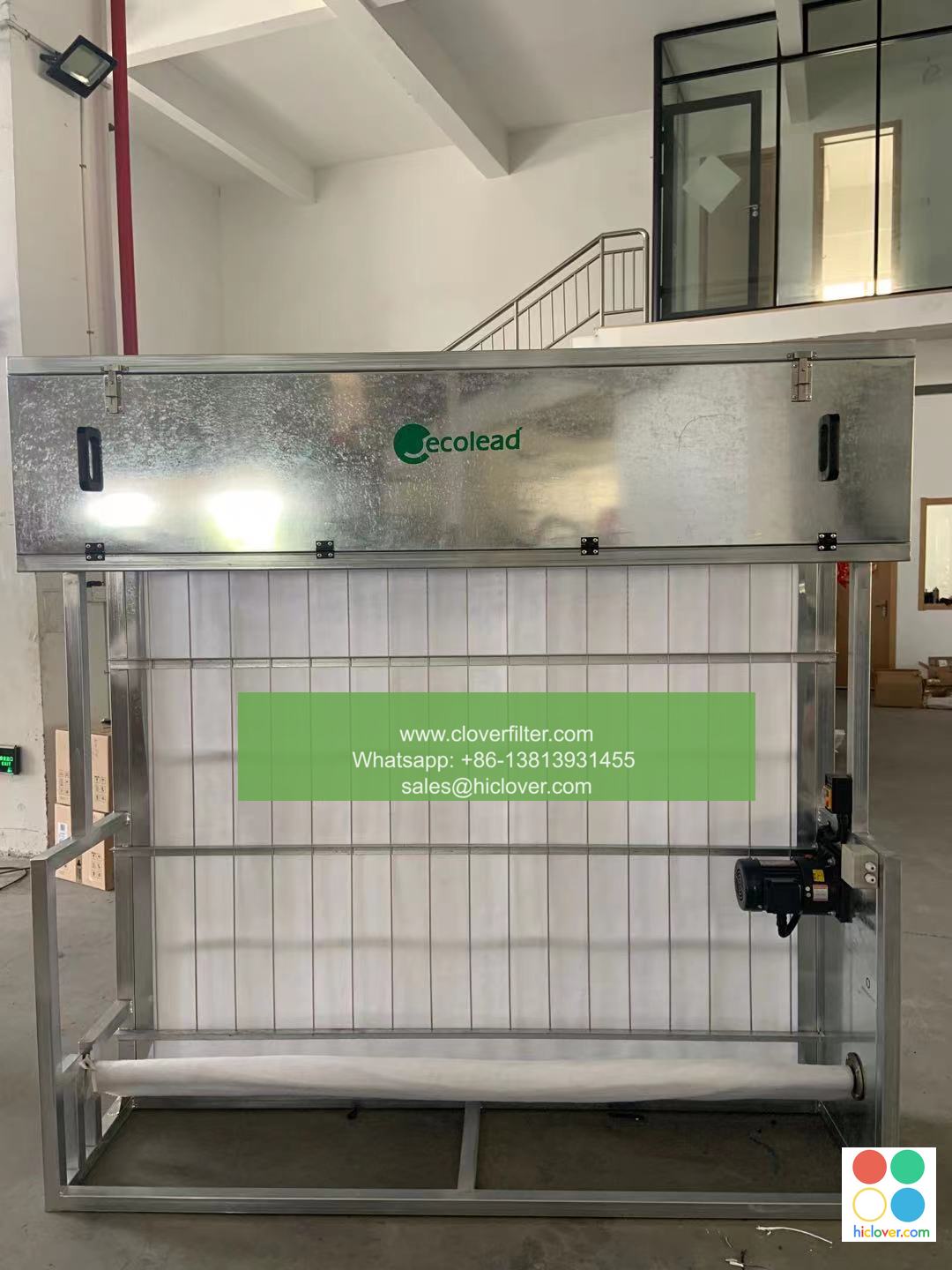
The importance of maintaining a clean and uncontaminated environment in food labs cannot be overstated. One critical aspect of ensuring air quality in these facilities is the operation of automatic roll air filters. However, like any equipment, these filters can encounter issues that may affect their functionality. Below is a comprehensive guide to troubleshooting common automatic roll air filter issues in food research labs.
Common Issues with Automatic Roll Air Filters

1. Inadequate Airflow
A reduction in airflow can lead to subpar air quality, which is a significant concern for food labs. Common causes of inadequate airflow include:
- Clogged Filters: Over time, filters can become dirty and restrict airflow.
- Fan Malfunction: If the fan that pulls air through the filter is not functioning correctly, it can cause a bottleneck.
- Duct Issues: Check for any obstructions or leaks in the ducting connected to the filter.
2. Unusual Noises

Unusual noises emanating from an automatic roll air filter can indicate several problems:
- Loose Parts: Screws or brackets may become loose over time and cause rattling sounds.
- Foreign Objects: Debris can get into the fan or motor, leading to grinding or screeching noises.
- Motor Issues: A malfunctioning motor may produce a humming or buzzing sound that indicates failure.
3. Filter Replacement Indicator Stays On
This scenario can lead to unnecessary maintenance procedures. Potential reasons for this issue include:
- Faulty Sensor: The sensor that detects filter saturation might be malfunctioning.
- Mismatched Filters: Using a filter that isn’t compatible with the air filter could trigger the indicator erroneously.
4. Excessive Dust Accumulation
If you observe excessive dust accumulation in your lab, consider the following:
- Improper Seals: Ensure all seals are intact to prevent unfiltered air from entering.
- Filter Saturation: The filter may have reached its saturation point and needs replacement.
Troubleshooting Steps
If you encounter any of the above issues, follow these troubleshooting steps:
- Verify that the filter is clean and properly installed.
- Inspect the fan for proper operation and listen for any unusual sounds.
- Check for and resolve any obstructions in the air ducts.
- Consult the manufacturer’s manual for specific troubleshooting tips tailored to your make and model.
Conclusion
Maintaining the performance of automatic roll air filters is essential for ensuring optimal air quality in food labs. By recognizing and addressing common issues, researchers can minimize downtime and maintain a focused work environment. Regular maintenance and timely troubleshooting not only save costs but also enhance the integrity of food research results.
FAQs
What are the signs that I need to replace my air filter?
Signs include a drop in airflow, frequent dust accumulation, or an illuminated filter replacement indicator.
How often should I inspect my air filters?
Inspection is recommended at least every three months, but depending on usage and environmental conditions, it may be wise to check more frequently.
Can I clean my air filter instead of replacing it?
This depends on the type of filter. Some are washable, while others are designed for single use and must be replaced when dirty.
