Hamilton Electronics Recycling Plant Sets the Standard for Air Quality with Automatic Roll Air Filter
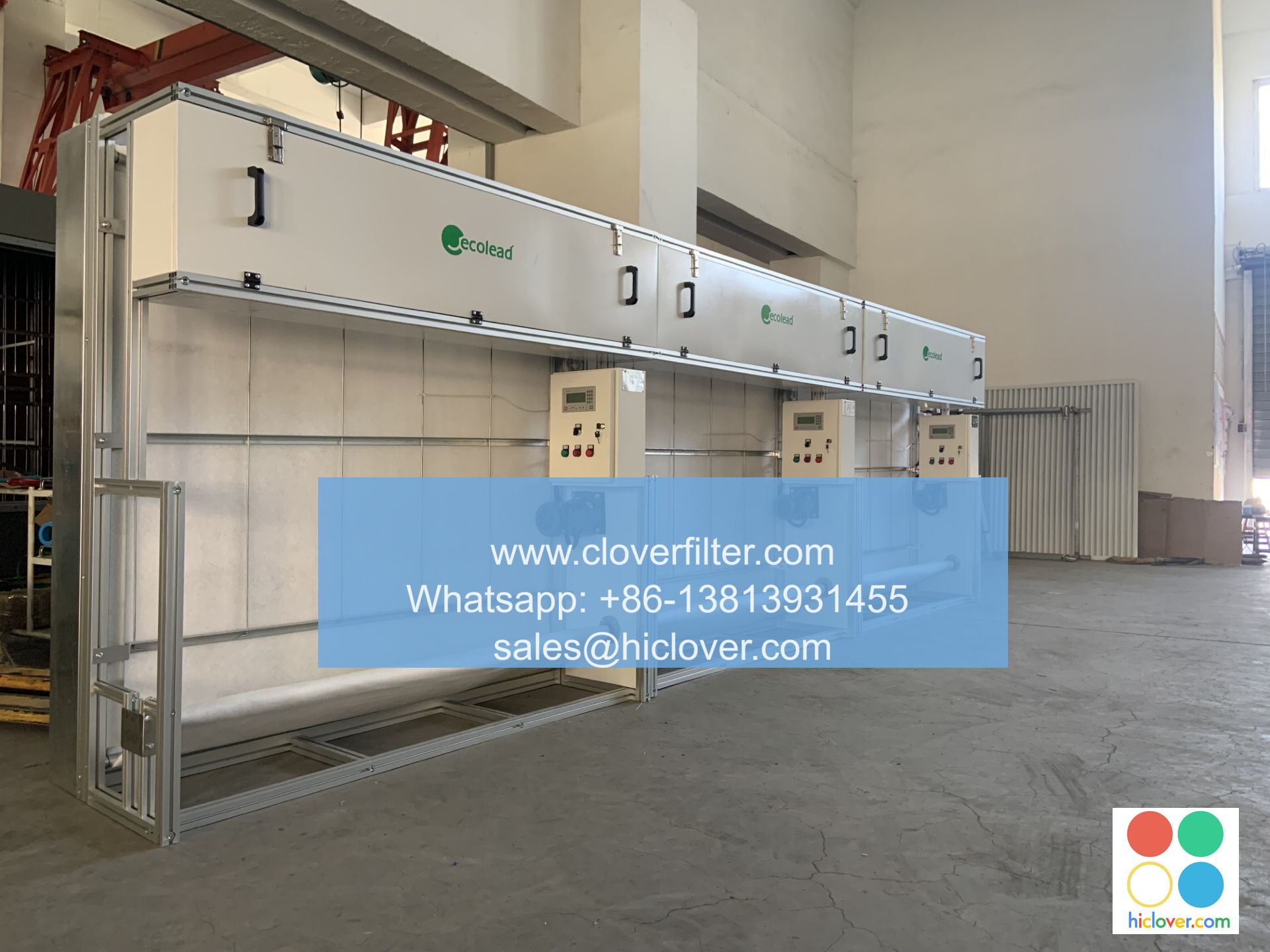
Hamilton Electronics Recycling Plant has taken a significant step towards ensuring excellent air quality in their facility by installing an automatic roll air filter. This cutting-edge technology is designed to capture 99.97% of particles as small as 0.3 microns, including dust, pollen, and other airborne contaminants. The plant’s commitment to maintaining a clean and healthy environment for their employees and the surrounding community is truly commendable.
The automatic roll air filter is a state-of-the-art system that uses a continuous roll of filter media, which is automatically advanced as it becomes saturated with particles. This eliminates the need for manual filter changes, reducing maintenance costs and minimizing downtime. The system is also equipped with a sophisticated monitoring system, which tracks air quality in real-time and alerts plant personnel to any changes or issues.

The installation of the automatic roll air filter is part of Hamilton Electronics Recycling Plant’s broader efforts to minimize their environmental footprint. The plant has implemented a range of sustainability initiatives, including energy-efficient lighting, waste reduction programs, and a comprehensive recycling strategy. By investing in advanced air filtration technology, the plant is demonstrating its commitment to protecting the health and well-being of their employees, as well as the local environment.
The benefits of the automatic roll air filter extend far beyond the plant itself. By reducing airborne pollutants and particulate matter, the system is helping to improve air quality in the surrounding community. This is especially important for residents who may be sensitive to poor air quality, such as those with respiratory conditions or other health issues. The plant’s investment in air filtration technology is a testament to their dedication to being a responsible and caring corporate citizen.
In addition to the environmental benefits, the automatic roll air filter is also having a positive impact on the plant’s operations. By maintaining excellent air quality, the system is helping to reduce downtime and increase productivity. The plant’s employees are also benefiting from the improved air quality, with many reporting a significant reduction in respiratory issues and other health problems. The automatic roll air filter is a win-win for both the plant and the community, and it sets a high standard for other businesses to follow.
The Hamilton Electronics Recycling Plant’s decision to install an automatic roll air filter is also driven by the growing need for sustainable and environmentally responsible practices in the electronics recycling industry. As the demand for electronic devices continues to grow, so too does the need for responsible and sustainable recycling practices. The plant’s commitment to air quality and sustainability is a shining example of how businesses can prioritize the environment while still maintaining a competitive edge.

Furthermore, the automatic roll air filter is a testament to the plant’s commitment to innovation and technological advancements. The system is designed to be highly efficient and effective, using advanced algorithms and sensors to monitor and control air quality in real-time. The plant’s investment in this technology demonstrates their willingness to adopt new and innovative solutions to complex environmental challenges.
Overall, the Hamilton Electronics Recycling Plant’s installation of an automatic roll air filter is a significant step towards creating a healthier and more sustainable work environment. The system’s ability to capture airborne pollutants and particulate matter is having a positive impact on both the plant’s operations and the surrounding community. As other businesses look to follow in their footsteps, it’s clear that the automatic roll air filter is setting a new standard for air quality in the electronics recycling industry.
Conclusion
In conclusion, the Hamilton Electronics Recycling Plant’s decision to install an automatic roll air filter is a commendable step towards prioritizing air quality and sustainability. The system’s advanced technology and real-time monitoring capabilities make it an invaluable asset to the plant’s operations, and its positive impact on the surrounding community is undeniable. As the demand for sustainable and environmentally responsible practices continues to grow, the Hamilton Electronics Recycling Plant is leading the way with their commitment to innovation and technological advancements.
FAQs
A> An automatic roll air filter is a state-of-the-art system that uses a continuous roll of filter media to capture airborne pollutants and particulate matter. The system automatically advances the filter media as it becomes saturated, eliminating the need for manual filter changes.
A> The benefits of using an automatic roll air filter in an electronics recycling plant include improved air quality, reduced downtime, and increased productivity. The system also helps to minimize the plant’s environmental footprint and reduce airborne pollutants in the surrounding community.
A> The automatic roll air filter contributes to a healthier work environment by capturing 99.97% of particles as small as 0.3 microns, including dust, pollen, and other airborne contaminants. This reduces the risk of respiratory issues and other health problems for plant employees.
A> Yes, other businesses in the electronics recycling industry can benefit from installing an automatic roll air filter. The system’s advanced technology and real-time monitoring capabilities make it an invaluable asset to any facility looking to prioritize air quality and sustainability.
