Hamilton Electronics Recycling Plant’s Approach to Air Filtration and Sustainability: Automatic Roll Air Filter

The Hamilton Electronics Recycling Plant has long been a leader in sustainable practices within the electronic waste management industry. A critical aspect of their commitment to sustainability is their advanced air filtration system, featuring the innovative Automatic Roll Air Filter. This system not only helps in managing the air quality within the facility but is also vital in sustaining their overarching environmental goals.
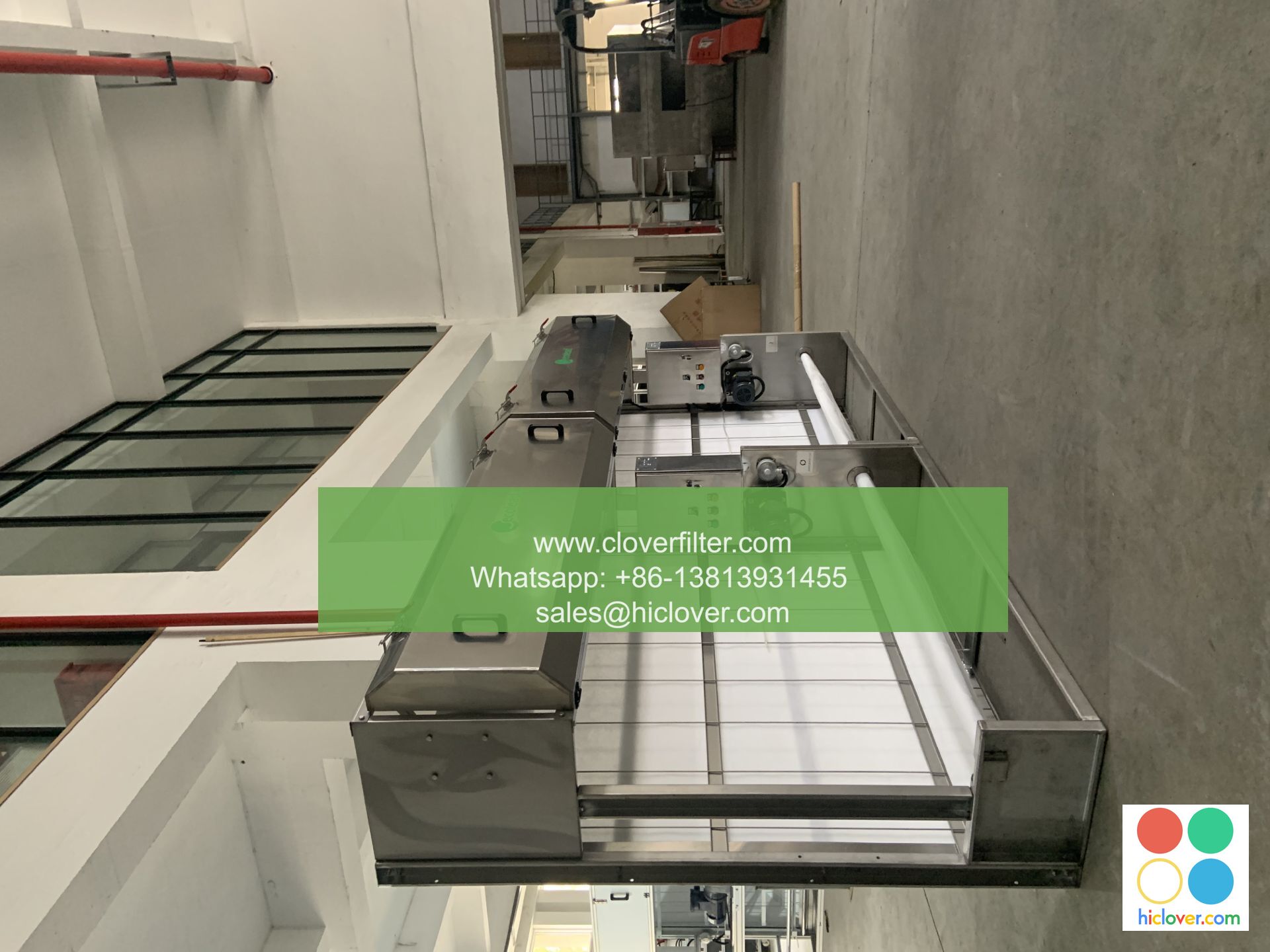
Understanding the Need for Air Filtration
Electronics recycling generates a variety of airborne pollutants, including dust and harmful organic compounds. Without proper filtration, the plant can become a hotspot for air quality issues, impacting both employee health and the surrounding environment. Given the potential hazards associated with electronic waste, the need for a robust air filtration system is paramount.
The Automatic Roll Air Filter: A Game Changer
The Automatic Roll Air Filter at Hamilton’s facility represents a significant advancement in air filtration technology. This system operates efficiently by utilizing a continuous roll of filter material that automatically feeds into the filtration mechanism. As used sections of the filter become saturated with pollutants, the system automatically advances to reveal a fresh section. This process reduces downtime, minimizes maintenance needs, and ensures a consistently high level of air purity.
Key Benefits of the Automatic Roll Air Filter
- Efficiency: The automatic feeding mechanism allows for continuous filtration without manual intervention, saving both time and labor costs.
- Cost-effective: Automated systems tend to have lower operational costs over time due to reduced labor and maintenance needs.
- Improved Air Quality: The high-efficiency particulate air (HEPA) capability ensures that harmful particles are effectively captured, significantly improving indoor air quality.
- Environmentally Friendly: By integrating an eco-friendly approach, the filter helps in maintaining a sustainable operational model that aligns with the plant’s goals.
- Recycling Protocols: The plant employs rigorous recycling protocols that ensure that precious metals are reclaimed and that hazardous components are disposed of safely.
- Energy Management: Energy-efficient machines are utilized throughout the facility to minimize the carbon footprint.
- Employee Training: Continuous employee training ensures that best practices in sustainability are followed at all levels within the organization.

Sustainability Practices at Hamilton Electronics Recycling Plant
Hamilton Electronics is not just focused on air filtration; it is part of a broader commitment to sustainability that includes several other practices:
Conclusion
The integration of the Automatic Roll Air Filter at Hamilton Electronics Recycling Plant signifies a leap forward in the quest for sustainability in the electronics recycling industry. This innovative solution not only enhances air quality and employee health but also embodies the plant’s commitment to responsible environmental stewardship. By continuously improving its processes and investing in cutting-edge technology, Hamilton Electronics sets a benchmark for other recycling facilities worldwide.
FAQs
1. What is an Automatic Roll Air Filter?
An Automatic Roll Air Filter is a sophisticated air filtration system that utilizes a continuous roll of filter material, automatically advancing to new filter sections as used sections become saturated. This helps maintain optimal air quality with minimal manual maintenance.
2. How does the Automatic Roll Air Filter improve air quality?
The filter captures airborne contaminants effectively, including dust and hazardous particles, thus improving indoor air quality and ensuring a safer work environment.
3. What other sustainability practices does Hamilton Electronics follow?
In addition to advanced air filtration, Hamilton Electronics implements rigorous recycling protocols, utilizes energy-efficient machinery, and provides ongoing sustainability training for employees.
4. How does air quality impact employee health?
Poor air quality can lead to a myriad of health issues, including respiratory problems, allergies, and decreased overall wellbeing. Good air filtration systems are crucial for protecting employee health in environments dealing with electronic waste.
