Hamilton Steel Plant’s Proactive Approach to Preventative Maintenance with Automatic Roll Air Filters
The Hamilton Steel Plant, located in Ontario, Canada, has long been a stalwart in the steel manufacturing industry. To maintain its status as a leader in efficiency and productivity, the facility has adopted a proactive approach toward preventative maintenance that utilizes state-of-the-art technology, including automatic roll air filters. This innovative integration not only streamlines operations but also enhances the overall environmental and operational health of the plant.
Understanding Preventative Maintenance

Preventative maintenance refers to the routine inspection, testing, and servicing of equipment to prevent breakdowns and costly repairs. It emphasizes proactive actions rather than reactive ones, thus ensuring machinery operates efficiently over extended periods. In the context of steel production, where large machinery and complex systems are central to operations, effective preventative maintenance is critical to maximizing productivity and minimizing downtime.
The Importance of Air Quality in Steel Production
In steel manufacturing, maintaining optimal air quality is paramount. Poor air quality can negatively impact not only the machinery but also the health and safety of employees. Dust and particulate matter generated during the production process can lead to equipment malfunctions and pose health risks. Therefore, installing efficient air filtration systems is essential, and this is where automatic roll air filters come into play.
Benefits of Automatic Roll Air Filters
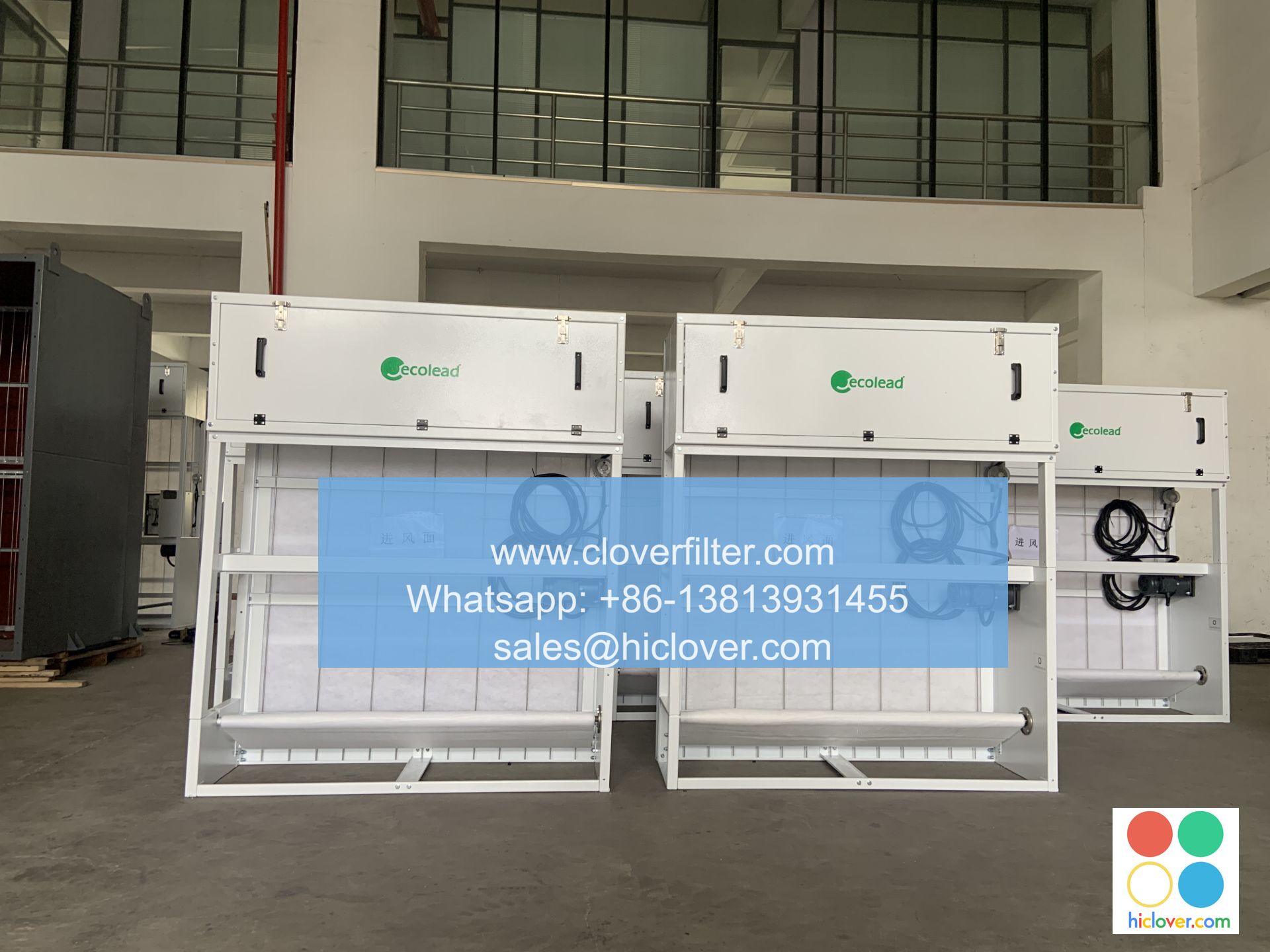
Automatic roll air filters are designed to continuously cleanse the air by capturing dust, debris, and other pollutants effortlessly. The Hamilton Steel Plant has integrated this technology to ensure that the air quality within the production environment remains high. Some noticeable benefits include:
- Enhanced Equipment Longevity: By filtering harmful particles, these systems help to protect machinery from wear and tear, thus extending their usable life.
- Improved Employee Health: Cleaner air contributes to a healthier work environment, reducing respiratory issues among employees.
- Operational Efficiency: With less downtime due to equipment failure and improved air quality, the plant can operate at optimal efficiency.
- Cost Savings: Reduced maintenance costs and prolonged equipment life translate to significant cost savings for the facility.
Implementation Strategy
The Hamilton Steel Plant’s implementation of automatic roll air filters involved thorough analysis and planning. Firstly, a comprehensive audit of the existing air quality and filtration systems was conducted. The data collected was then used to select the most suitable automatic roll filter technology for their specific needs.
Training staff on the operation of this new system was another critical component of the implementation strategy. By ensuring that all relevant personnel understood how to effectively utilize and monitor the air filters, the plant maximized the technology’s benefits.
Conclusion
Hamilton Steel Plant’s proactive approach to preventative maintenance, particularly with the integration of automatic roll air filters, illustrates a forward-thinking method that not only enhances operational efficiency but also prioritizes employee health and environmental safety. By continually investing in innovative technologies and best practices, the plant sets a benchmark for maintaining productivity in the steel industry. The commitment to such proactive strategies not only secures the facility’s future but also promotes sustainable manufacturing practices that benefit the community and industry alike.
Frequently Asked Questions
What is preventative maintenance?
Preventative maintenance involves regular maintenance activities to prevent equipment failures before they occur, thus ensuring smoother operations.
How do automatic roll air filters work?
Automatic roll air filters continuously draw air from the environment, capturing dust and particulate matter on filter media. When the filter is saturated, it automatically moves to reveal a clean section, ensuring unimpeded airflow.
What are the benefits of using air filters in a steel plant?
Air filters help improve air quality, protect workers’ health, prolong machinery life, and enhance overall operational efficiency.
Why is air quality important in steel manufacturing?
Poor air quality can lead to equipment malfunction, increased maintenance costs, and health risks for employees, making air quality management crucial for plant operations.
