HEPA Air Filtration and Its Impact On Asthma Control
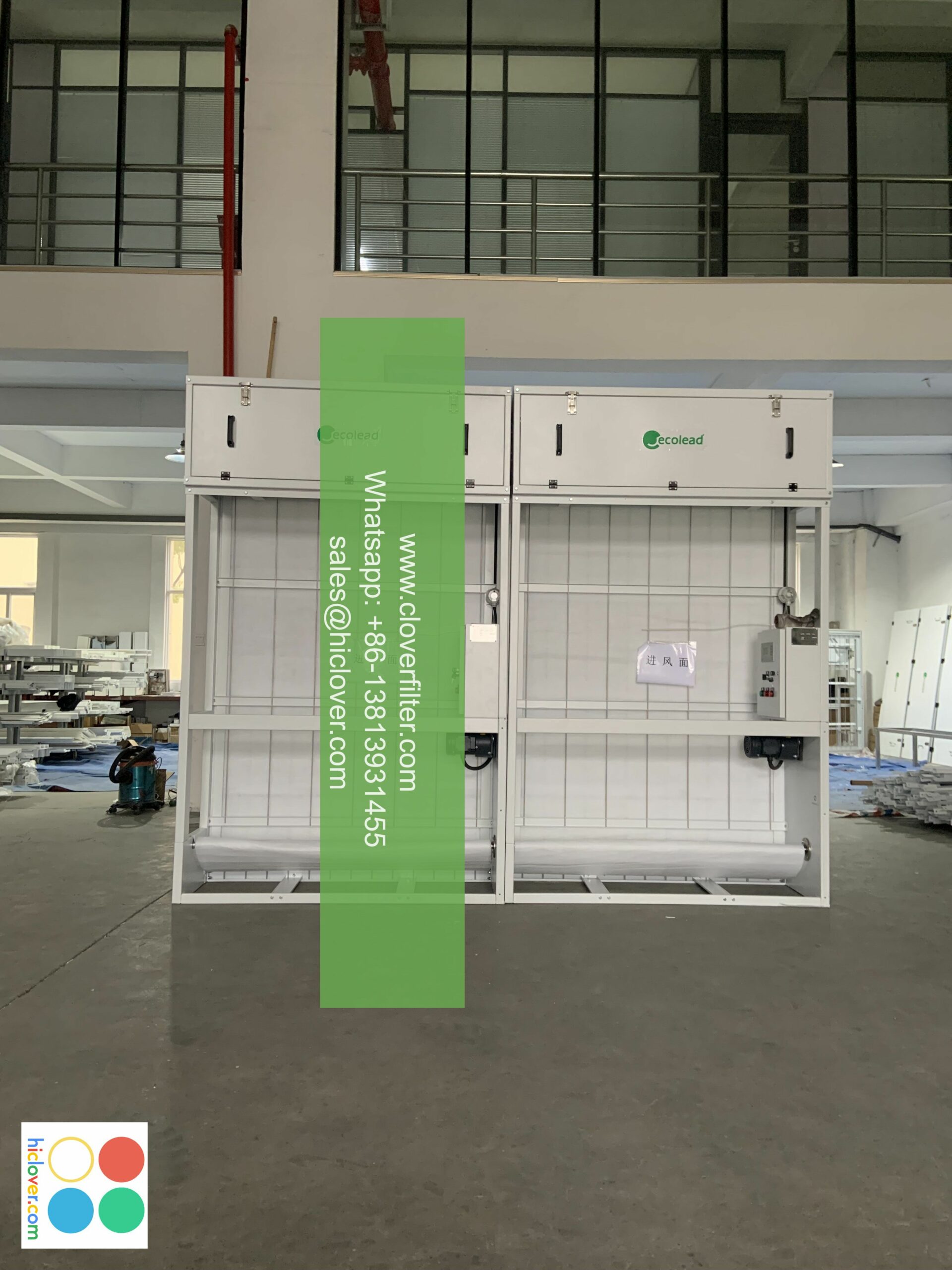
The Power of HEPA Air Filtration: Enhancing Asthma Control and Cleaning Indoor Air Quality
Asthma: A Growing Epidemic

Asthma is a chronic respiratory disease that affects millions of people worldwide. The prevalence of asthma has increased significantly over the past two decades, with approximately 340 million people suffering from this condition globally. The symptoms of asthma include wheezing, coughing, and shortness of breath, which can significantly impact daily life.
The Importance of HEPA Air Filtration
High-Efficiency Particulate Air (HEPA) filters are designed to capture 99.97% of particles as small as 0.3 microns, including dust, pollen, and pet dander. HEPA filtration is crucial in controlling asthma symptoms by removing airborne allergens and irritants that can exacerbate the condition.
How HEPA Air Filtration Benefits Asthma Sufferers

By implementing HEPA air filtration systems, individuals with asthma can experience significant relief from their symptoms. Some of the benefits include:
- Reduced Allergen Levels: HEPA filters capture 99.97% of particles, including dust mites, mold spores, and pet dander, which are common allergens that trigger asthma attacks.
- Improved Air Quality: HEPA filtration systems remove pollutants, odors, and smoke, resulting in cleaner, fresher air that’s easier to breathe.
- Increased Lung Function: By reducing exposure to airborne irritants, HEPA air filtration systems can help improve lung function and reduce the frequency and severity of asthma attacks.
Key Application Areas for HEPA Air Filtration in Asthma Control
- Home: Installing a HEPA air purifier in the home can significantly reduce allergen levels and improve indoor air quality, creating a safer and healthier environment for asthma sufferers.
- Workplace: Employers can install HEPA air filtration systems in the workplace to create a healthier and more comfortable environment for employees with asthma.
- Apartments and Condos: Landlords can install HEPA air filtration systems in buildings to improve indoor air quality and create a healthier environment for residents with asthma.
- Cars and RVs: HEPA air purifiers can be installed in vehicles to remove airborne allergens and pollutants, making it easier to travel safely with asthma.
Conclusion
HEPA air filtration is a powerful tool in the fight against asthma. By reducing airborne allergen levels and improving indoor air quality, HEPA filtration systems can significantly reduce the frequency and severity of asthma attacks. Whether in the home, workplace, or while traveling, HEPA air filtration systems can help create a healthier and more comfortable environment for those with asthma.
Additional Resources
For more information on HEPA air filtration and its impact on asthma control, please visit:
- The Asthma and Allergy Foundation of America (AAFA) website at www.aafa.org
- The Environmental Protection Agency’s (EPA) Indoor Air Quality (IAQ) website at www.epa.gov/indoor-air-quality
- The American Lung Association (ALA) website at www.lung.org
It seems like you’re ready to get started! What kind of prompt are you looking for? Do you have a specific question, topic, or theme in mind? I’m here to help with anything from generating ideas to exploring new concepts. Let me know how I can assist you!
