HEPA Certified Air Filters: What You Need to Know
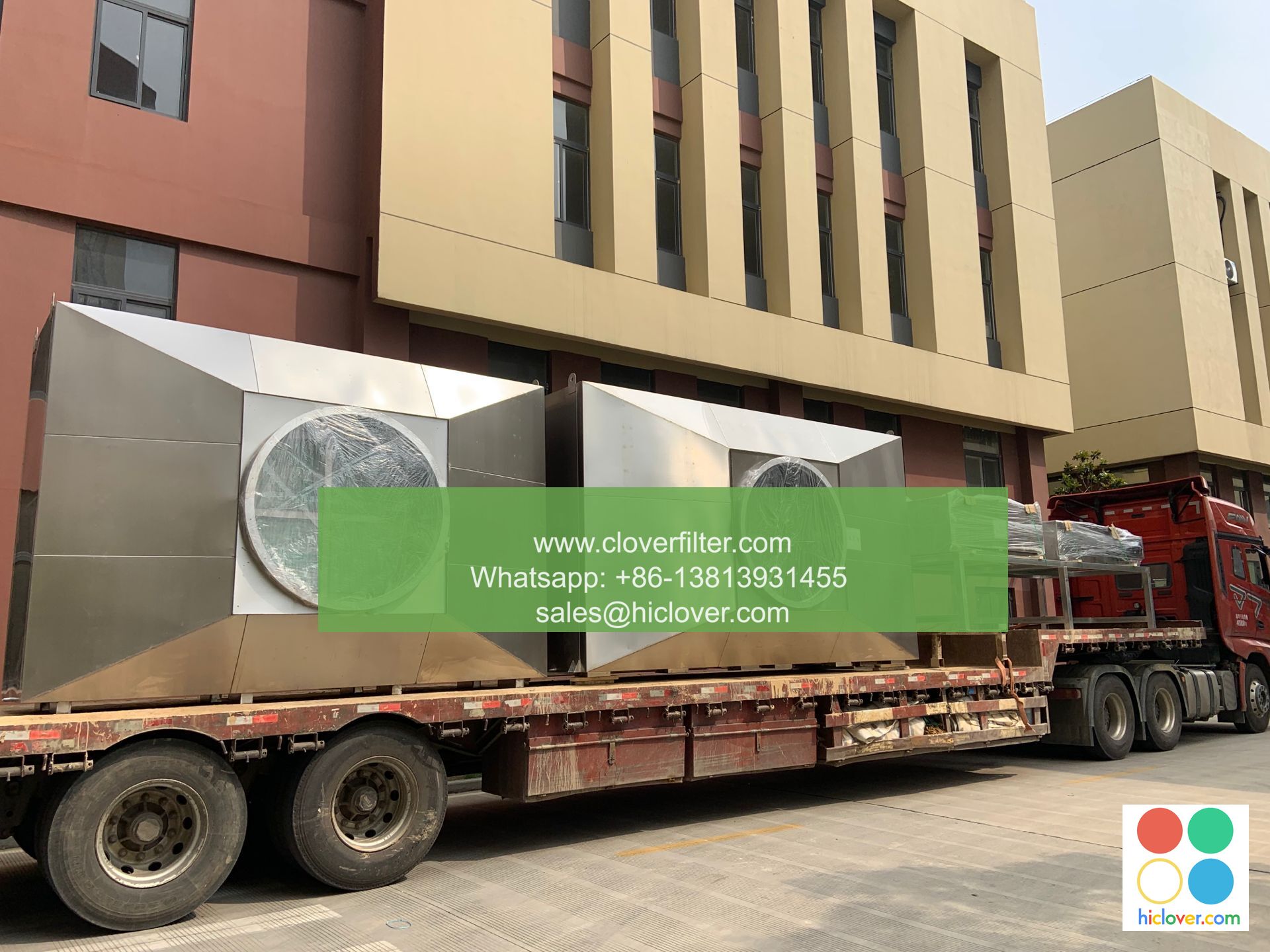
HEPA (High Efficiency Particulate Air) certified air filters are a crucial component in maintaining indoor air quality and allergy relief. These filters are designed to capture 99.97% of particles as small as 0.3 microns, including dust, pollen, mold, and bacteria. In this article, we will delve into the world of HEPA certified air filters, exploring their benefits, applications, and key features.
Benefits of HEPA Certified Air Filters
The benefits of using HEPA certified air filters are numerous. Some of the most significant advantages include:
* Improved indoor air quality: By capturing airborne pollutants, HEPA filters help to create a healthier indoor environment.
* Allergy relief: HEPA filters are particularly effective in reducing allergy symptoms by removing common allergens like dust mites, pet dander, and mold spores.
* Reduced odors and gases: Many HEPA filters also include activated carbon or other odor-reducing technologies to eliminate unpleasant smells and volatile organic compounds (VOCs).
Applications of HEPA Certified Air Filters
HEPA certified air filters have a wide range of applications across various industries, including:
* Residential air purification: HEPA filters are commonly used in home air purifiers to improve indoor air quality and alleviate allergy symptoms.
* Commercial air cleaning: HEPA filters are used in office buildings, hospitals, and other commercial spaces to maintain a healthy and productive environment.
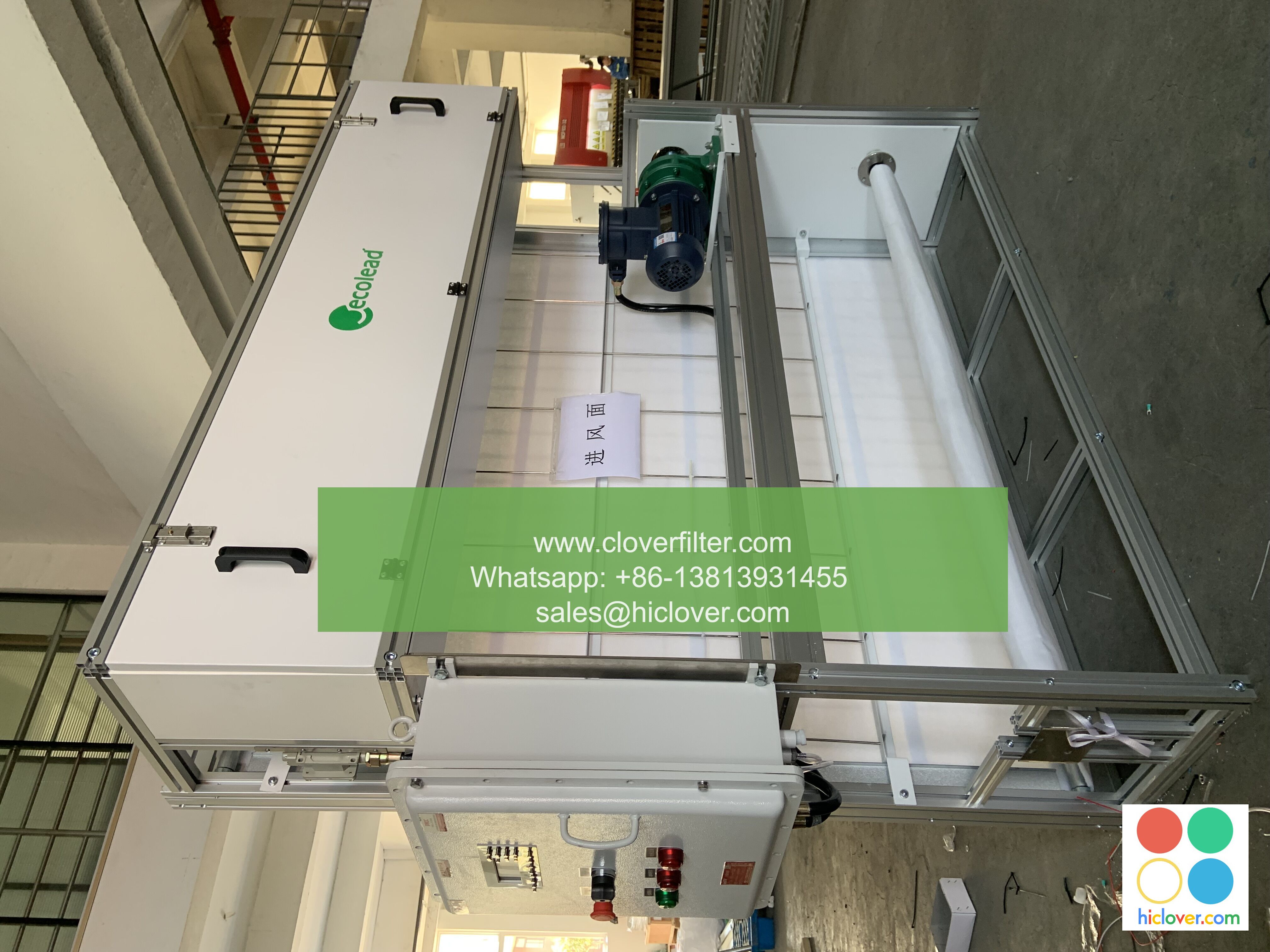
* Industrial air filtration: HEPA filters are used in industrial settings to remove hazardous particles and gases from the air, ensuring a safe working environment.
* Medical facilities: HEPA filters are used in hospitals, clinics, and other healthcare settings to prevent the spread of airborne infections and maintain a sterile environment.
Key Features to Look for in HEPA Certified Air Filters
When selecting a HEPA certified air filter, there are several key features to look for, including:
* Filter efficiency: Look for filters with a high capture rate (e.g., 99.97% at 0.3 microns).
* Filter type: Consider the type of filter, such as pleated, flat, or bag-style.
* Airflow rate: Ensure the filter can handle the required airflow rate for your specific application.
* Replaceable filters: Consider filters with replaceable filter media to reduce waste and cost.
Conclusion
In conclusion, HEPA certified air filters are a vital component in maintaining good indoor air quality and allergy relief. By understanding the benefits, applications, and key features of HEPA certified air filters, you can make informed decisions when selecting the right filter for your specific needs. Whether you’re looking to improve the air quality in your home, office, or industrial setting, HEPA certified air filters are an excellent choice. Remember to always look for the HEPA certification and follow proper maintenance procedures to ensure optimal performance and long-lasting results. It seems like you’re ready to start a conversation or ask a question, but you haven’t provided the details yet. Could you please provide more context or clarify what you’re looking for? I’m here to help with any questions or topics you’d like to discuss!
