HEPA Filter Standards: A Key to Air Quality and Safety
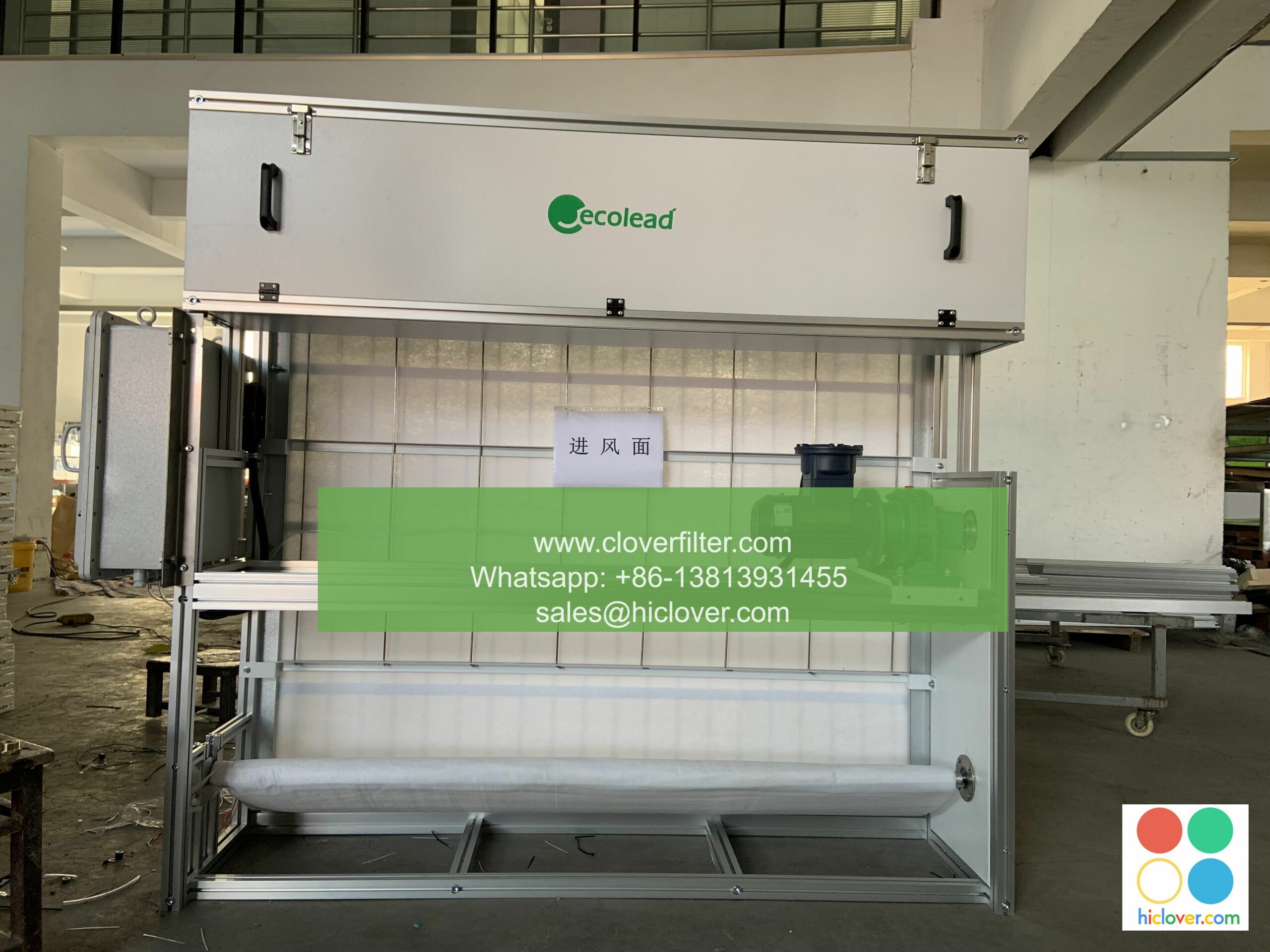
The importance of air quality cannot be overstated, as it directly impacts our health, well-being, and safety. One crucial component in maintaining excellent air quality is the High Efficiency Particulate Air (HEPA) filter. HEPA filter standards play a vital role in ensuring the filter’s performance and effectiveness in removing airborne particles, including pollutants, allergens, and microorganisms. In this article, we will delve into the importance of HEPA filter standards, their applications, and the benefits they provide in various industries.
##
Understanding HEPA Filter Standards
HEPA filter standards are set by regulatory bodies, such as the US Department of Energy and the European Standard EN 1822, to guarantee the filter’s efficiency in capturing at least 99.97% of particles as small as 0.3 microns. These standards ensure that HEPA filters are reliable and effective in removing airborne contaminants, including dust, pollen, mold, bacteria, and viruses. Compliance with these standards is essential for indoor air quality and safety.
##
Application Areas of HEPA Filters
HEPA filters have a wide range of applications across various industries, including:
* Hospital and Healthcare Settings: HEPA filtration systems are crucial in hospitals and healthcare facilities to prevent the spread of airborne diseases and infections.
* Industrial and Commercial Environments: HEPA air purifiers are used in industries, such as aerospace, food processing, and pharmaceuticals, to maintain clean air and prevent contamination.
* Residential and Domestic Use: HEPA air cleaners are used in homes to improve indoor air quality, alleviate allergies, and reduce asthma symptoms.
* Transportation and Aviation: HEPA filters are used in airplanes, buses, and trains to provide clean air and prevent the spread of airborne diseases.
* Research and Laboratory Settings: HEPA filtration systems are essential in laboratories and research facilities to maintain a clean and sterile environment.
##
Benefits of HEPA Filter Standards
The implementation of HEPA filter standards provides numerous benefits, including:
* Improved Indoor Air Quality: HEPA filters remove airborne pollutants, allergens, and microorganisms, resulting in cleaner and healthier air.
* Enhanced Safety: Compliance with HEPA filter standards ensures the filter’s effectiveness in removing airborne contaminants, reducing the risk of airborne diseases and infections.
* Increased Efficiency: HEPA filters can help reduce energy consumption and maintenance costs by improving the overall air quality and reducing the need for frequent filter replacements.
* Reduced Allergy and Asthma Symptoms: HEPA air purifiers can alleviate allergy and asthma symptoms by removing airborne allergens and irritants.
##
Conclusion
In conclusion, HEPA filter standards are a crucial aspect of maintaining excellent indoor air quality and safety. By understanding the importance of these standards and their applications, we can ensure the effectiveness of HEPA filters in removing airborne contaminants and improving our overall health and well-being. Whether in hospital and healthcare settings, industrial and commercial environments, or residential and domestic use, HEPA filters play a vital role in providing clean air and preventing the spread of airborne diseases. It seems like you forgot to include the prompt. Please go ahead and provide the prompt, and I’ll be happy to help!
