HEPA vs. Activated Carbon Filters: Understanding the Differences

Key Takeaways
- HEPA filters excel in capturing particulate matter, ensuring cleaner air.
- Activated carbon filters are optimal for odor and chemical control.
- Automatic Roll Air Filters combine features of both for unique air filter solutions.
- Different air filter types have varying maintenance and operating costs.
- Proper selection ensures optimal performance in specific industrial applications.
- Airflow Range: Designed to handle a variety of airflow rates, accommodating the specific requirements of different industrial applications.
- Face Velocity: Optimized to ensure maximum particulate capture while maintaining energy efficiency.
- Media Width/Length: Available in various sizes to fit specific systems effortlessly.
- Frame Size: Customizable to meet the installation needs of diverse HVAC setups.
- Control Options: Can include monitoring systems to track filter conditions, alerting when replacements are needed.
- Power Supply: Typically operates on standard power sources, ensuring easy integration.
- Installation Locations: Suitable for fresh air intake, return, or process streams, ensuring versatile application.
- Choosing the wrong filter type for your application.
- Ignoring airflow requirements which can result in inadequate filtration.
- Neglecting maintenance schedules, leading to reduced air quality over time.
- Underestimating energy costs associated with inefficient filters.
- Failing to consider filter dimensions, leading to installation issues.
- Overlooking control options that monitor filter performance.
- Not consulting experts when making selections.

Understanding Air Filter Solutions
When it comes to ensuring clean air in industrial environments like factories, cleanrooms, and data centers, selecting the right air filter solutions is crucial. Among the various options available, HEPA and activated carbon filters are commonly used to improve air quality. In this article, we will explore the key differences, benefits, and applications of these two types of filters while highlighting the Automatic Roll Air Filter from CloverFilter, a product designed to enhance air filtration efficiency while reducing maintenance.
What is an Automatic Roll Air Filter?
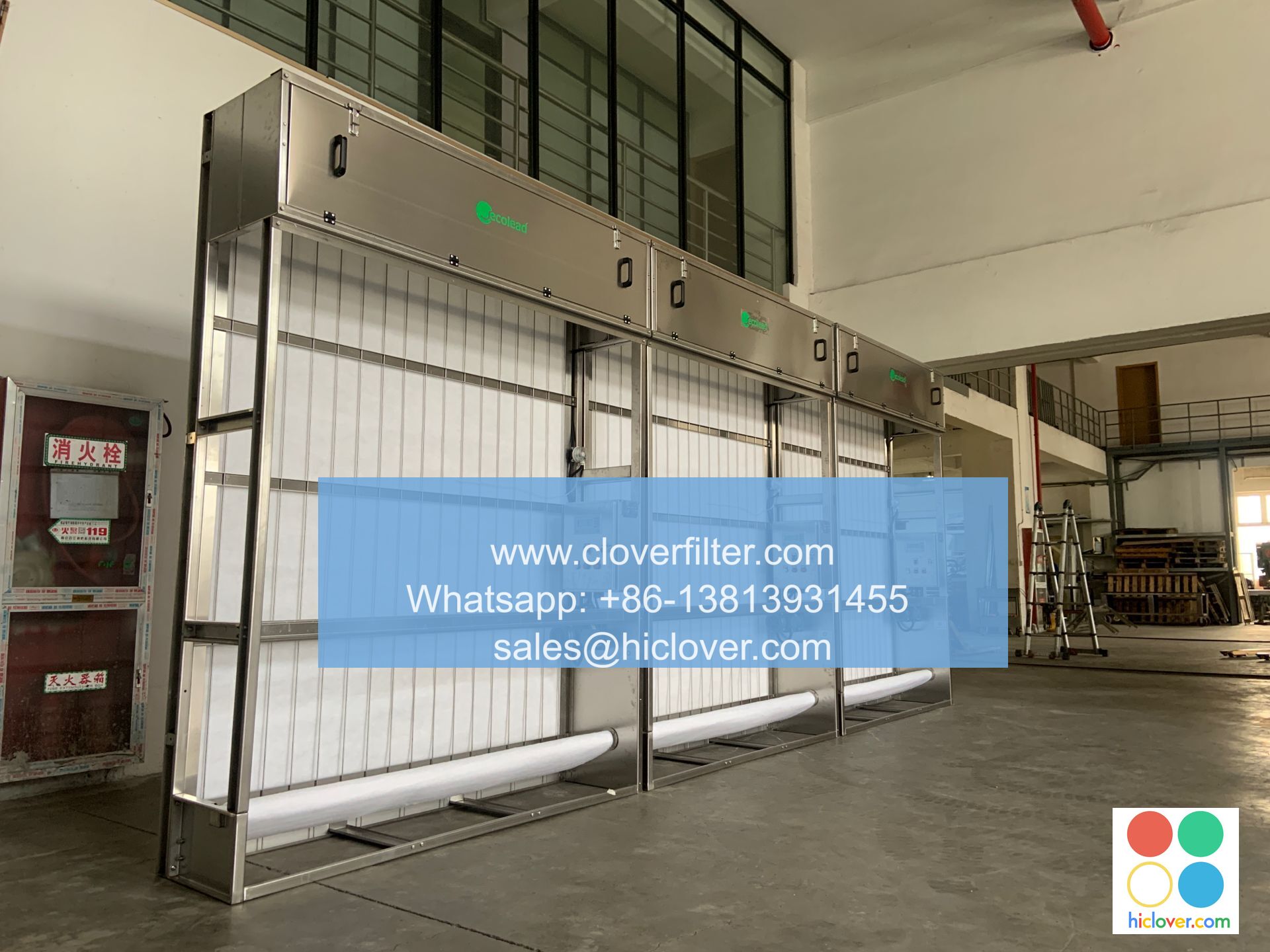
An Automatic Roll Air Filter is an advanced filtration device designed for use in HVAC systems. Utilizing a roll media advance logic, these filters automatically extend or retract the media based on the differential pressure detected within the system. When the pressure reaches a set threshold, the timer mode activates, incrementally deploying fresh filter media. This innovative design not only ensures consistent filtration effectiveness but also minimizes maintenance requirements.
Features and Fitment in HVAC Systems
HEPA vs. Activated Carbon Filters: A Deeper Dive
HEPA Filters
HEPA (High-Efficiency Particulate Air) filters are adept at removing particles from the air, capturing 99.97% of particles that are 0.3 microns in size. Ideal for environments requiring stringent particulate control, such as hospitals and cleanrooms, HEPA filters are essential for maintaining high air quality standards.
Activated Carbon Filters
Activated carbon filters specialize in capturing volatile organic compounds (VOCs), odors, and chemical pollutants. This type of filtration uses a bed of activated carbon to adsorb these contaminants from the air. Widely used in environments such as paint booths and chemical processing plants, activated carbon filters play a vital role in managing unwanted odors.
Comparison Table
| Filter Type | Best Use Case | Maintenance | Pressure Drop Behavior | Operating Cost | Typical Risk/Downside |
|---|---|---|---|---|---|
| Automatic Roll Air Filter | Versatile industrial use | Low | Moderate | Low (energy-saving) | Limited availability of roll media |
| Bag Filter | General dust control | Moderate | High | Moderate | Bag breakage over time |
| Panel Filter | Residential & light duty | Low | Low | Low | Lower particle capture ability |
| V-bank Filter | High-efficiency requirement | Moderate | High | Moderate to high | Bulky and harder to fit |
Common Mistakes & How to Avoid Them
When selecting an air filter solution, it’s essential to avoid common pitfalls that can hinder performance and increase costs:
Real-World Scenarios
Case 1: Data Center
In a data center, maintaining optimal air quality is crucial to prevent overheating of sensitive equipment. An Automatic Roll Air Filter ensures high particulate control without straining the HVAC system, allowing for constant airflow and temperature regulation.
Case 2: Lithium Battery Factory
In lithium battery manufacturing, the presence of harmful airborne chemicals is a concern. Activated carbon filters are employed alongside HEPA filters to effectively capture VOCs and particulates, ensuring a safer working environment.
Case 3: Paint Shop
In a paint booth, managing fumes and odors is essential. Activated carbon filters are utilized to control volatile organic compounds, while HEPA filters capture larger particulate matter from the spray process.
Case 4: Textile and Steel/Cement Plants
In industrial settings like textile and steel/cement plants, an Automatic Roll Air Filter provides an efficient solution by addressing both particulate and odor issues, thus maintaining compliance with industry regulations without excessive energy costs.
Compliance and Standards
Selecting the right air filter solutions is also influenced by industry standards. Familiarity with ISO 16890, EN 779, and MERV classifications will help in choosing appropriate filtration systems. While it’s important to understand these regulatory frameworks, specific certifications should only be referenced when available on request.
Conclusion
Understanding the differences between HEPA and activated carbon filters allows procurement managers, HVAC engineers, and facility managers to make informed decisions. The Automatic Roll Air Filter from CloverFilter presents a versatile solution that effectively combines elements of both technologies, providing enhanced filtration without compromising on efficiency or maintenance needs.
For more information on air filter solutions, visit CloverFilter.
Meta Description: Discover the differences between HEPA and activated carbon filters. Learn about air filter solutions like the Automatic Roll Air Filter from CloverFilter.
For expert assistance in selecting the right filtration system, contact CloverFilter at [https://www.cloverfilter.com/contact/].
It seems you might want to provide a specific prompt or topic for discussion. Could you please clarify or specify what you’d like to explore or talk about?
