HEPA vs. Automatic Roll Filters: Which is Best for Aerospace Cleanrooms?
The aerospace industry requires the highest level of cleanliness and precision in its manufacturing processes. Cleanrooms play a crucial role in maintaining the integrity of aerospace components, and the choice of air filtration system is critical to achieving this goal. Two popular options for cleanroom air filtration are High Efficiency Particulate Air (HEPA) filters and Automatic Roll Filters. In this article, we will compare and contrast these two technologies, highlighting their advantages and disadvantages, and discussing their suitability for various aerospace cleanroom applications.
Introduction to HEPA Filters
HEPA filters are widely used in cleanrooms due to their high efficiency in capturing submicron particles, including dust, pollen, and other airborne contaminants. They are designed to capture 99.97% of particles as small as 0.3 microns, making them an excellent choice for high-purity applications such as aerospace component manufacturing, pharmaceutical production, and medical device fabrication. HEPA filters are typically used in unidirectional airflow systems, where the air flows in a single direction, minimizing turbulence and ensuring the highest level of cleanliness.
Introduction to Automatic Roll Filters
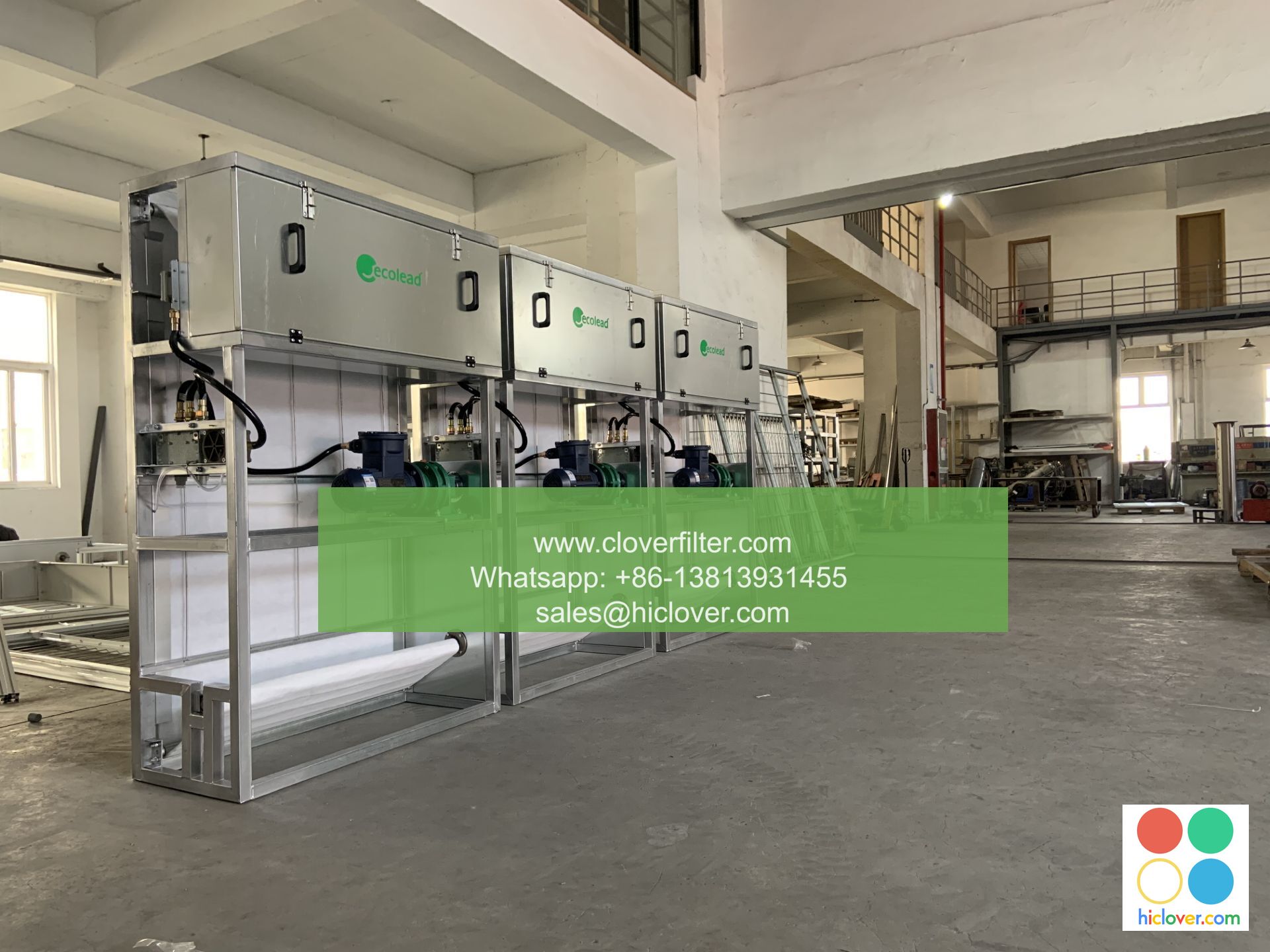
Automatic Roll Filters, also known as roll media filters, offer a unique approach to air filtration. These filters use a continuous roll of filter media that is automatically advanced as it becomes saturated with particles. This design allows for consistent airflow rates and reduced maintenance compared to traditional filter systems. Automatic Roll Filters are well-suited for high-velocity applications such as aerospace paint booths and cleanroom corridors, where high airflow rates are required.
Comparison of HEPA and Automatic Roll Filters
When comparing HEPA filters and Automatic Roll Filters, several key factors must be considered, including filtration efficiency, airflow rate, maintenance requirements, and cost. HEPA filters offer higher filtration efficiency, capturing smaller particles and ensuring the highest level of cleanliness. However, they typically require more maintenance than Automatic Roll Filters, as they must be replaced or cleaned regularly. Automatic Roll Filters, on the other hand, offer consistent airflow rates and reduced maintenance, but may not capture particles as small as those captured by HEPA filters.

Application Areas for HEPA and Automatic Roll Filters
The choice between HEPA filters and Automatic Roll Filters depends on the specific aerospace cleanroom application. For high-purity applications such as aerospace component manufacturing and pharmaceutical production, HEPA filters are typically the preferred choice. For high-velocity applications such as aerospace paint booths and cleanroom corridors, Automatic Roll Filters may be more suitable. Additionally, cleanroom classification plays a crucial role in selecting the appropriate filter system, with ISO 14644-1 classifications requiring higher levels of filtration efficiency.
Conclusion
In conclusion, both HEPA filters and Automatic Roll Filters have their advantages and disadvantages, and the choice between them depends on the specific aerospace cleanroom application. By understanding the unique requirements of each application, including filtration efficiency, airflow rate, and maintenance requirements, cleanroom operators can select the most suitable filter system for their needs. Whether it’s high-purity aerospace component manufacturing or high-velocity aerospace paint booths, the right filter system is critical to maintaining the integrity of aerospace components and ensuring the highest level of cleanliness.
