Home Air Filter Regulations: How to Choose the Right One for Your Needs
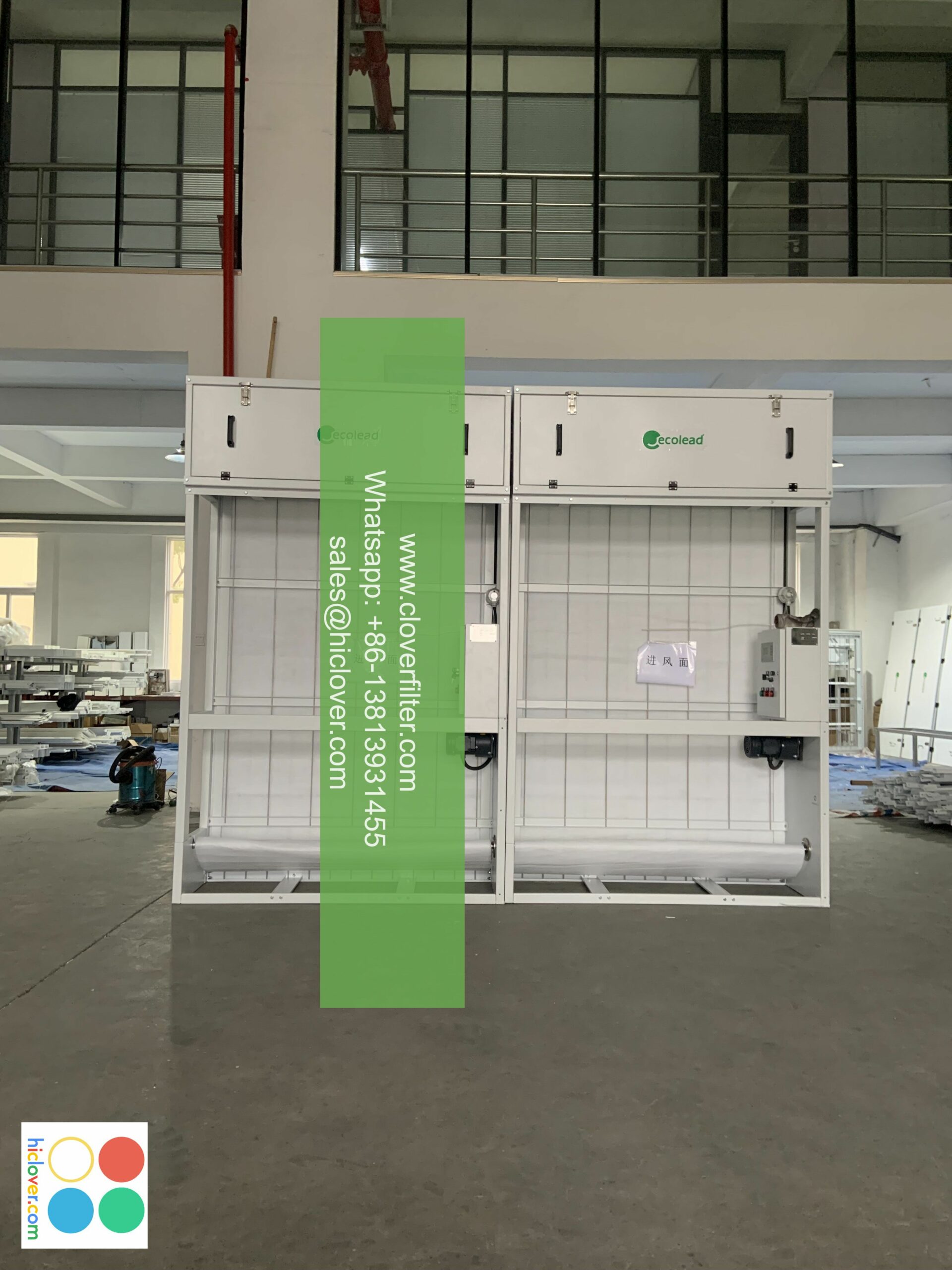
Home Air Filter Regulations: How to Choose the Right One for Your Needs
Asthma, allergies, and respiratory problems are on the rise, and the quality of indoor air can play a significant role in maintaining good health. According to the Environmental Protection Agency (EPA), Americans spend approximately 90% of their time indoors, making it crucial to ensure the air we breathe is clean and healthy. In this article, we’ll delve into the world of home air filters, exploring regulations, types, and factors to consider when selecting the right one for your needs.

Regulations and Standards
The EPA established the National Ambient Air Quality Standards (NAAQS) to monitor and regulate outdoor air quality. However, indoor air quality standards are more complex, with no single governing body in charge. The American Society of Heating, Refrigerating and Air-Conditioning Engineers (ASHRAE) sets guidelines for building air quality, while the American Lung Association (ALA) recommends HEPA air purifiers for indoor air cleaning.
Types of Air Filters
HEPA (High Efficiency Particulate Air) Filters
HEPA filters are designed to capture 99.97% of particles as small as 0.3 microns, making them effective against dust, pollen, and pet dander. Suitable for:
- Asthmatic individuals
- Allergy sufferers
- Pet owners
- People with respiratory issues
- Volatile Organic Compounds (VOCs)
- Gases and odors
- Chemical sensitivities
- Mold and mildew removal
- Odor elimination
- Mold allergies
- MERV 1-3: Basic air filters, capturing 5-40% of particles
- MERV 4-8: Mid-range filters, capturing 40-80% of particles
- MERV 9-12: High-efficiency filters, capturing 80-95% of particles
- Ensure the filter size matches the air duct or grille opening
- Place filters in areas with high air circulation, such as:
- Furnace or air conditioning systems
- Ceiling air returns
- Window or door air intake
- Regularly clean and inspect filters
- Replace filters as recommended or when they become clogged

Activated Carbon Filters
Activated carbon filters are made from coconut shells or other organic materials. They’re effective against:
UV (Ultraviolet) Filters
UV filters use ultraviolet light to kill microorganisms, bacteria, and viruses. Suitable for:
Key Factors to Consider
MERV Rating
Unlike HEPA, MERV (Minimum Efficiency Reporting Value) filters don’t capture particles as small as 0.3 microns. Instead, they’re categorized by their efficiency:
Filter Size and Placement
Maintenance and Replacement
Conclusion
avage
Choosing the right air filter for your home can be overwhelming, but by understanding regulations, types of filters, and key factors to consider, you can make an informed decision. Whether you’re looking to alleviate allergies, respiratory issues, or simply maintain a healthy indoor air quality, there’s an air filter suitable for your needs. Remember to consider MERV ratings, filter size and placement, and maintenance requirements to ensure you breathe easy, every day.
I’m happy to help! What would you like to talk about or what kind of prompt would you like me to respond to?
