How Air Filter Converters Can Help Improve Cognitive Function
In our modern world, the quality of indoor air has a profound effect on our well-being, including cognitive function. With concerns regarding pollution and allergens, many people are now turning to air filter converters as a solution. These advanced devices can significantly enhance air quality, leading to noticeable improvements in mental clarity and focus. In this article, we’ll explore the myriad benefits of air filter converters and how they contribute to better brain health.
Understanding Air Filter Converters

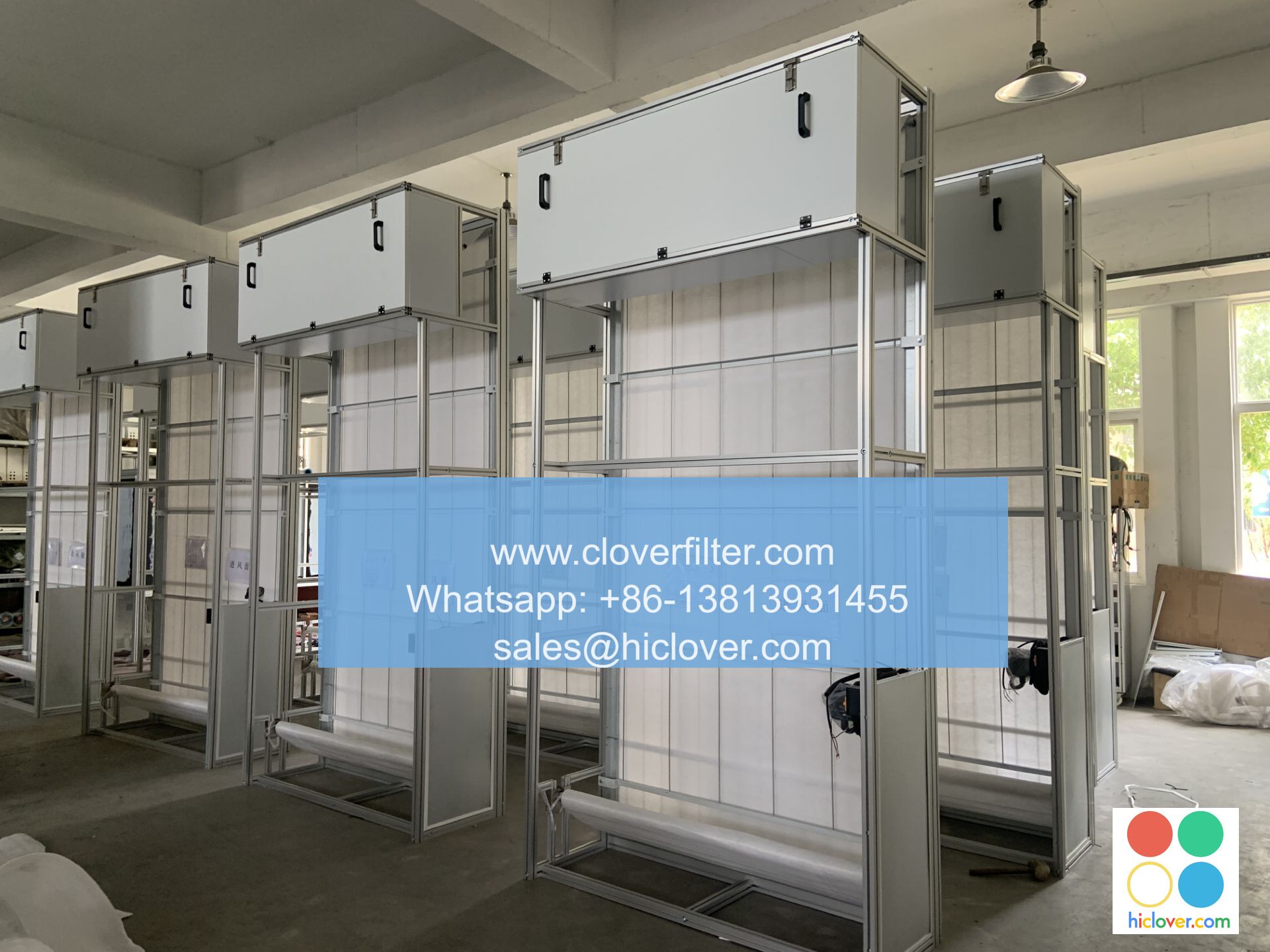
Air filter converters are specialized devices designed to improve indoor air quality by filtering out harmful particles, allergens, pollutants, and odors. They work in various environments, such as homes, offices, schools, and hospitals. By integrating advanced filtration technology, these devices are capable of trapping minute particles that standard filters often miss, including viruses, bacteria, and VOCs (volatile organic compounds).
The Link Between Air Quality and Cognitive Function
Numerous studies have shown that poor air quality can lead to a decline in cognitive function. Exposure to common indoor pollutants can result in headaches, fatigue, and reduced mental performance. Conversely, cleaner air can enhance concentration, memory, and overall brain health. For example, a study from the Environmental Health Perspectives journal indicated that improved air quality can lead to significant gains in cognitive development among children and better decision-making abilities in adults.
Application Areas of Air Filter Converters
1. Home Environments
Using air filter converters at home can foster a healthier living space. They can help alleviate symptoms of asthma and allergies, thereby allowing for more productive and focused family activities, including homework and family discussions.

2. Workplaces
In office settings, air filter converters are essential for maintaining employee health. Cleaner air leads to increased productivity, creativity, and reduced absenteeism, establishing a more vigorous work culture.
3. Educational Institutions
Schools and universities can immensely benefit from these devices. With students spending long hours in classrooms, ensuring clean air can help improve their learning capabilities, concentration, and overall academic performance.
4. Healthcare Facilities
Hospitals and clinics require the highest standard of air quality. Air filter converters can drastically reduce airborne pathogens and allergens, contributing to improved patient outcomes and cognitive functions for both patients and healthcare providers.
How to Choose the Right Air Filter Converter
When selecting an air filter converter, consider the following:
- Filtration Efficiency: Look for HEPA-certified filters that can capture at least 99.97% of particles.
- Noise Levels: Opt for models that operate quietly so they do not disrupt daily activities.
- Maintenance Costs: Factor in the cost of filter replacements and the longevity of the device.
- Size and Coverage: Ensure the device is appropriate for the size of the space it will be used in.
Conclusion
Air filter converters are more than just appliances; they are vital tools for enhancing indoor air quality and improving cognitive function. With applications ranging from homes to hospitals, investing in these devices can lead to better mental clarity, productivity, and overall well-being. By taking steps to purify our air, we can foster environments that promote a healthier and more effective cognitive experience.
It seems like you entered “Prompt” without further context. Could you please provide more details about what you’re looking for? Are you asking for a prompt for writing, brainstorming ideas, or something else entirely? Let me know how I can help!
