How Air Filter Converters Can Help Reduce Noise Pollution in Urban Areas
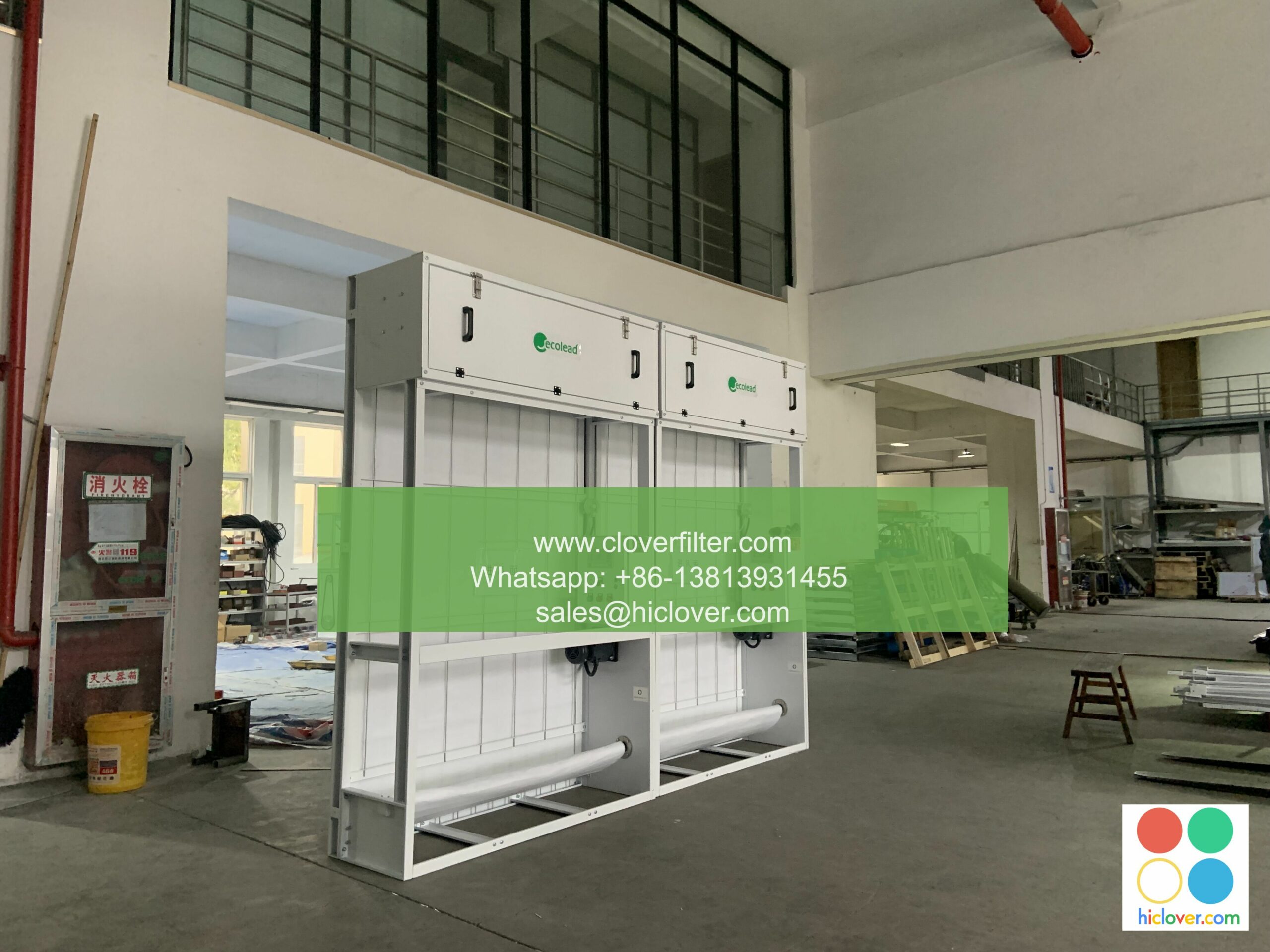
In bustling urban environments, noise pollution has become a significant concern, negatively impacting the quality of life for city dwellers. One innovative solution that has emerged to combat this problem is the air filter converter. These devices, designed primarily for air purification, can also play a crucial role in mitigating noise pollution. In this article, we will explore how they function, their applications, and the overall benefits they offer in urban settings.
Understanding Air Filter Converters
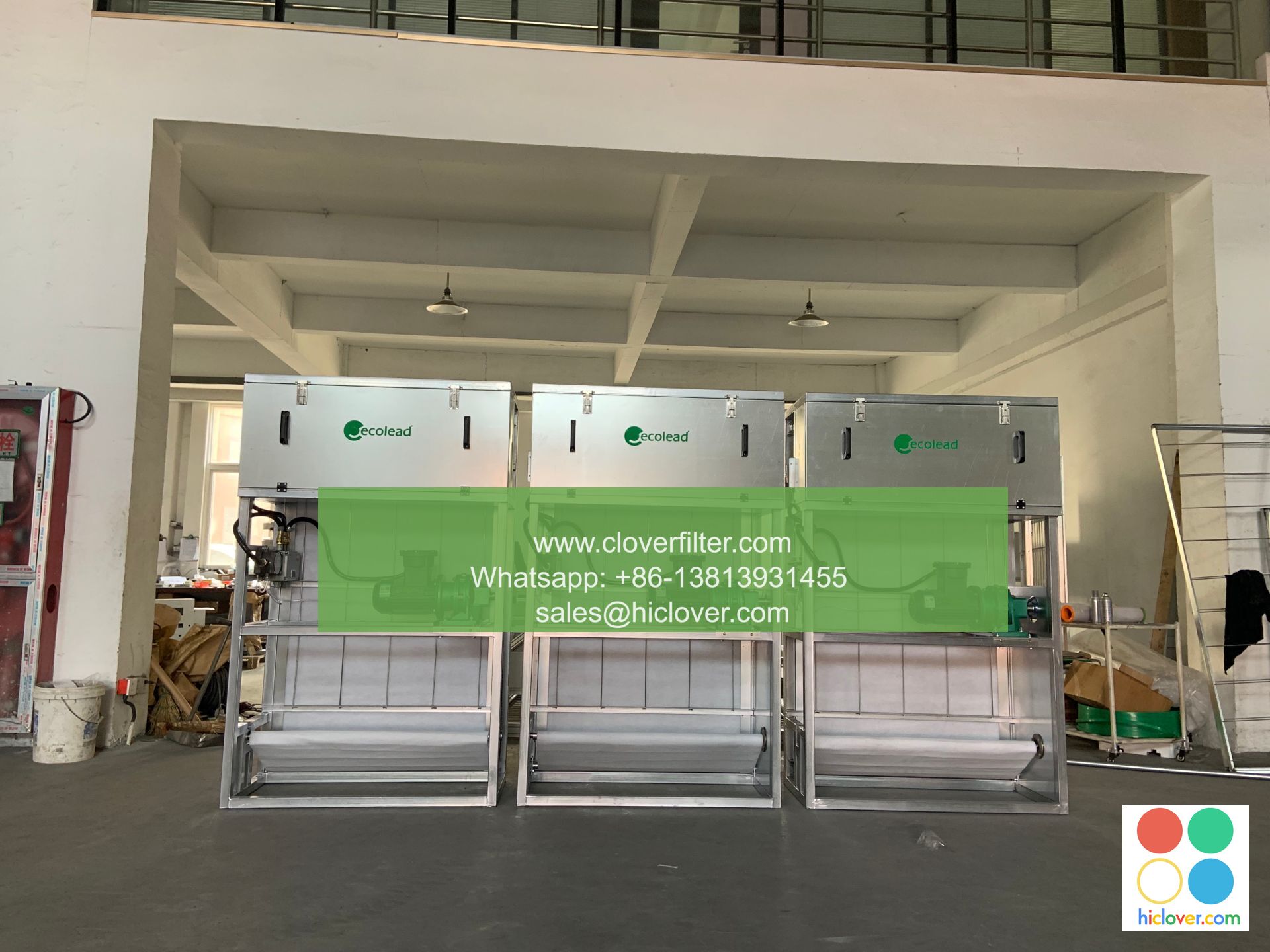
Air filter converters are specialized systems that not only cleanse air pollutants but also possess sound-absorbing properties. By utilizing advanced materials and technology, these converters can effectively reduce airborne noise while simultaneously filtering harmful particulates from the air. This dual functionality makes them particularly valuable in densely populated urban areas, where both air quality and noise levels are critical issues.
Mechanisms of Noise Reduction
Air filter converters employ several mechanisms to reduce noise pollution:
- Sound Absorption: The materials used in these filters, such as acoustic foams and sound-absorbing fibers, can diminish sound waves, thereby lowering noise levels.
- Vibration Damping: These devices can reduce the transmission of vibrations caused by external noise sources, such as traffic or construction activities.
- Airflow Management: By managing the airflow and maintaining a steady pressure, air filter converters can help contain and control sound levels within enclosed spaces.

Applications of Air Filter Converters in Urban Areas
Air filter converters are versatile and can be applied in various settings to combat noise pollution:
1. Residential Buildings
In apartment complexes and multi-family homes, air filter converters can be installed to provide cleaner air and quieter living environments, improving overall resident satisfaction.
2. Offices and Workspaces
In corporate settings, these systems can enhance employee productivity by reducing distracting noises from street traffic and other nearby disturbances.
3. Educational Institutions
Schools and universities can benefit from air filter converters, which create quieter classrooms and study areas, fostering better learning conditions for students.
4. Public Transport
Installing air filter converters in public transport systems can significantly lower noise levels, creating a more pleasant experience for commuters. This can encourage the use of public transportation, which is vital for urban sustainability.
The Environmental Impact
Reducing noise pollution isn’t just beneficial for human health; it also supports urban wildlife. Excessive noise can disrupt the habitats of many animal species. By implementing air filter converters, cities can create a more harmonious balance between urban life and nature.
Conclusion
As urban areas continue to expand, addressing noise pollution becomes increasingly critical. Air filter converters emerge as a promising solution to this pressing issue, offering dual benefits of improving air quality and reducing ambient noise. By incorporating these systems into various environments—residential, commercial, or educational—cities can enhance the well-being of their inhabitants and contribute to a healthier and quieter urban experience. The innovative design and functionality of air filter converters make them an essential technology for the future of urban living.
It seems like your message is incomplete. Could you please provide more details or clarify what you would like to know or discuss? I’m here to help!
