How Air Filter Data Can Help You Breathe Easier
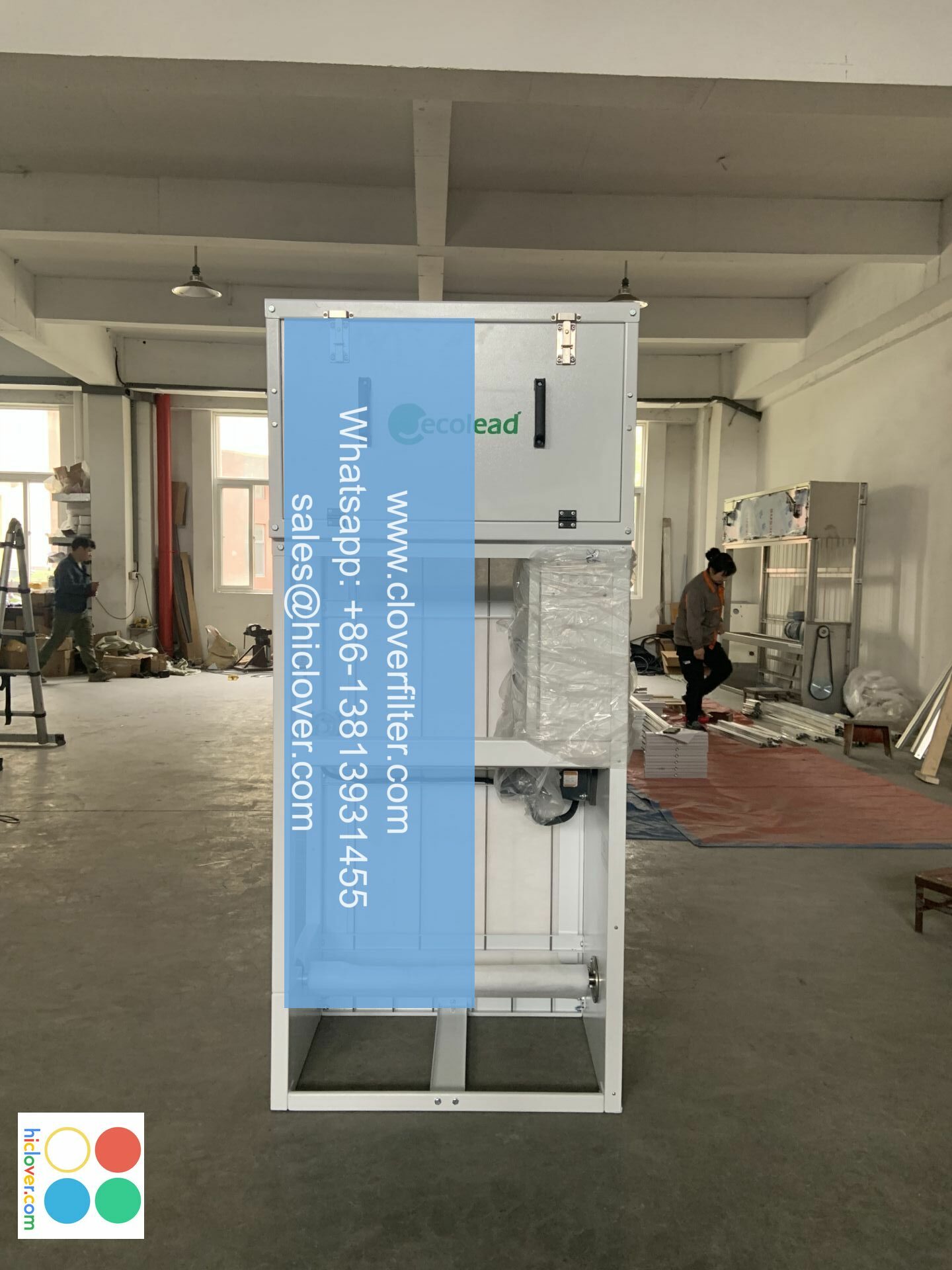
As the world grapples with the challenges of climate change, air pollution, and public health, the importance of indoor air quality cannot be overstated. One often-overlooked aspect of maintaining a healthy indoor environment is the humble air filter. By harnessing the power of air filter data, individuals and organizations can take a significant step towards creating a breathable, sustainable, and healthy indoor space.
What is Air Filter Data, and How is it Collected?
Air filter data refers to the information collected from air quality sensors and air filters that monitor and track various air pollutants, such as particulate matter (PM), volatile organic compounds (VOCs), and nitrogen dioxide (NO2). This data can be collected through a variety of methods, including wireless sensor networks, IoT devices, and machine learning algorithms. By analyzing this data, individuals and organizations can gain valuable insights into the indoor air quality and make informed decisions to improve it.
Application Areas for Air Filter Data
The applications of air filter data are diverse and far-reaching, covering various industries and sectors, including:
* Residential buildings: Homeowners can use air filter data to optimize their heating, ventilation, and air conditioning (HVAC) systems, reducing energy consumption and improving indoor air quality.
* Commercial buildings: Building managers can leverage air filter data to create a healthy and productive work environment, boosting employee well-being and productivity.
* Industrial settings: Manufacturers can use air filter data to monitor and control air pollutants in their facilities, ensuring a safe and healthy working environment for employees.
* Healthcare facilities: Hospitals and clinics can utilize air filter data to maintain a sterile and hygienic environment, reducing the risk of hospital-acquired infections and improving patient outcomes.
Benefits of Air Filter Data
The benefits of air filter data are numerous and significant, including:
* Improved indoor air quality: By monitoring and controlling air pollutants, individuals and organizations can create a healthier and more comfortable indoor environment.
* Energy efficiency: Optimizing HVAC systems using air filter data can lead to significant energy savings and reduced greenhouse gas emissions.
* Cost savings: By extending the life of air filters and reducing energy consumption, individuals and organizations can save money on energy bills and maintenance costs.
* Enhanced public health: By promoting good indoor air quality, individuals and organizations can contribute to a healthier and more sustainable community.

Conclusion
In conclusion, air filter data is a powerful tool for improving indoor air quality and creating a healthier, more sustainable indoor environment. By harnessing the power of air filter data, individuals and organizations can unlock a wide range of benefits, from improved public health to energy efficiency and cost savings. As the world continues to grapple with the challenges of climate change and air pollution, the importance of air filter data will only continue to grow, highlighting the need for increased awareness and adoption of this critical technology. You haven’t asked a question or provided any context. What would you like to talk about or know more about? I can offer information, answer questions, or provide opinions on a wide range of topics. Please provide more details so I can assist you better.
