How Air Filter Groups Can Help Reduce Allergies and Asthma

In recent years, the rise in allergies and asthma-related issues has led to an increased awareness of indoor air quality. Many individuals suffer from respiratory problems caused by allergens and pollutants. One effective way to combat these issues is through the use of air filter groups. These specialized systems significantly improve indoor air quality, helping to alleviate symptoms of allergies and asthma.
Understanding Allergies and Asthma
Allergies and asthma are common respiratory conditions that can be exacerbated by airborne particles such as dust, pollen, pet dander, and mold. According to the World Health Organization, over 300 million people globally suffer from asthma, with millions more experiencing allergic reactions. It’s essential to take proactive steps to minimize exposure to these triggers.
What are Air Filter Groups?
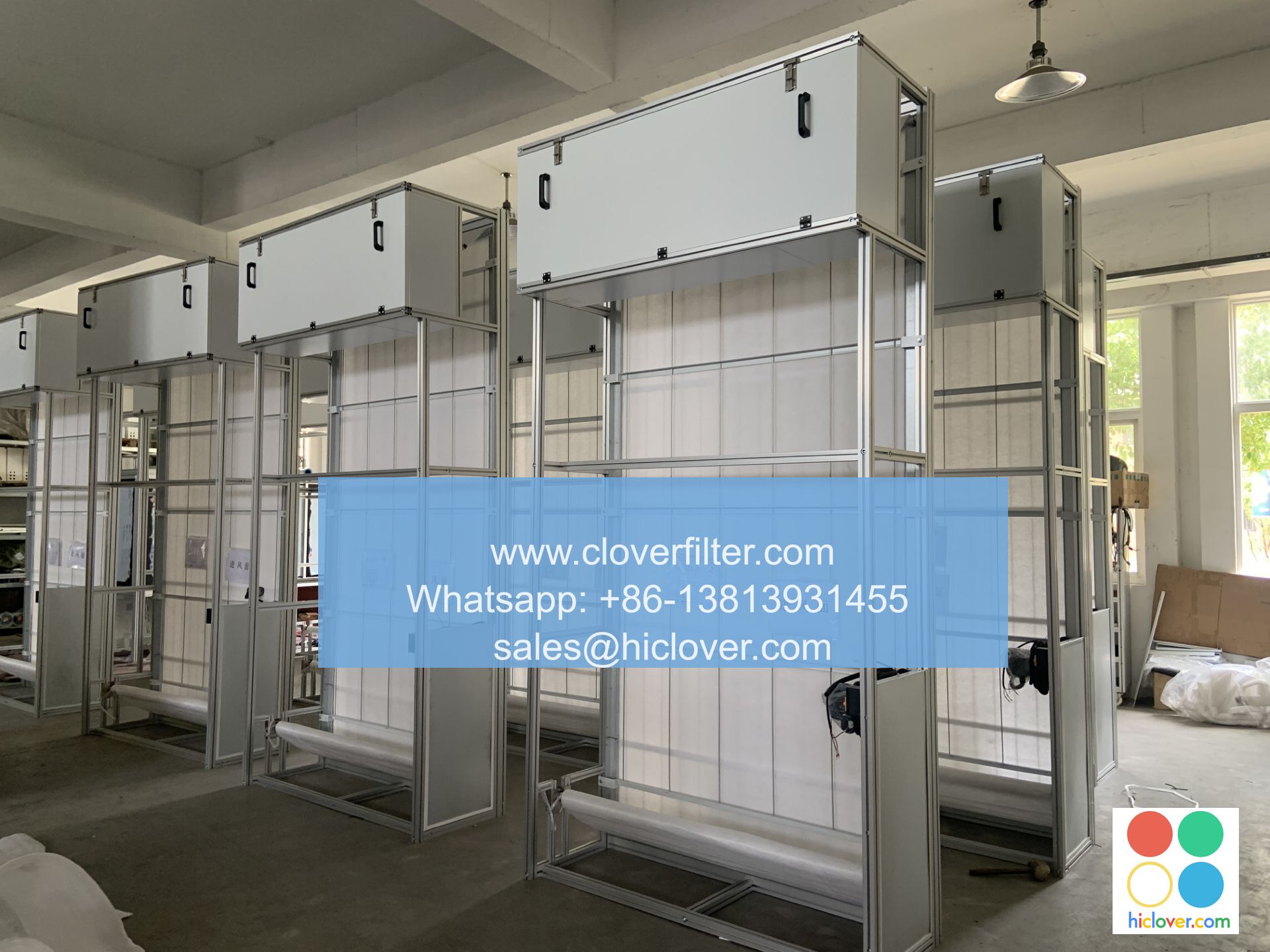
Air filter groups are collections of air filters designed to work together to purify indoor air. They utilize various technologies, including HEPA filters, activated carbon filters, and UV light systems, to effectively capture and neutralize harmful airborne particles. These filters can be used in residential and commercial settings, significantly improving air quality.
Benefits of Air Filter Groups in Reducing Allergies
1. Enhanced Air Quality
Air filter groups are designed to capture ultra-fine particles, including allergens like pollen, dust mites, and animal hair. By filtering out these elements, the air quality in any space is notably improved, providing relief to allergy sufferers.

2. Allergen Management
For many individuals, allergen exposure is inevitable, but robust air filtration can minimize this exposure. High-efficiency particulate air (HEPA) filters are particularly effective in trapping particles as small as 0.3 microns, making them essential for anyone prone to allergies.
3. Odor Removal
Odors can trigger allergic reactions and asthma attacks. Activated carbon filters within air filter groups absorb and neutralize unpleasant smells, further enhancing indoor comfort.
Impact on Asthma Management
1. Reduced Triggers
Asthma attacks often occur due to various triggers, including dust, pollen, and mold. Air filter groups help reduce these triggers by ensuring cleaner air circulation, positively impacting asthma patients.
2. Improved Breathing
Breathing cleaner air reduces the stress on the respiratory system. Many asthma sufferers report fewer symptoms and a better overall quality of life after implementing air filtration systems in their homes and workplaces.
3. Healthier Living Spaces
A cleaner environment is crucial for everyone but especially beneficial for those with respiratory issues. Regular maintenance of air filter groups ensures they continue working efficiently to combat allergens and pollutants.
Application Areas of Air Filter Groups
1. Residential Settings
Many households use air purifiers equipped with air filter groups to ensure clean air for all family members, especially those with allergies or asthma.
2. Commercial Spaces
Businesses, particularly those in the hospitality and healthcare sectors, invest in air filter systems to create healthier environments for employees and customers.
3. Educational Institutions
Schools and universities are increasingly adopting air filtration technology to improve air quality, promoting better concentration and health among students and staff.
Conclusion
The implementation of air filter groups can lead to a significant reduction in allergens and pollutants, making a notable difference in the lives of those suffering from allergies and asthma. By improving indoor air quality, these systems create healthier, more comfortable living environments. For anyone looking to enhance their respiratory health, investing in a suitable air filtration system is a proactive step toward breathing easier.
It seems you might be looking for a prompt or some inspiration. Could you provide a bit more context on what you’re looking for? For example, are you looking for a writing prompt, an art prompt, or something else entirely?
