How Air Filter Integrations Can Help Reduce Maintenance Costs
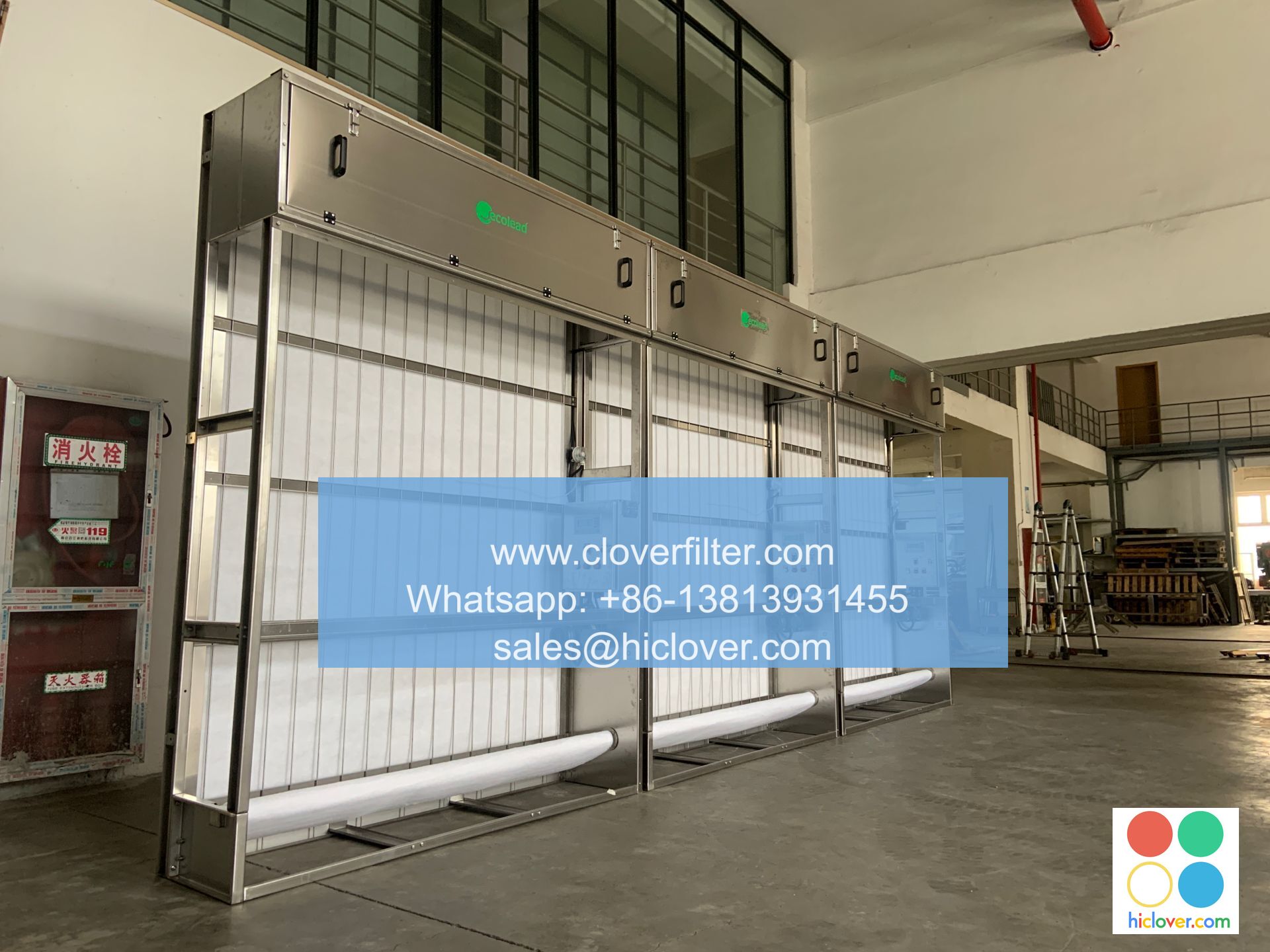
In today’s fast-paced and eco-conscious world, the integration of advanced air filter technologies has emerged as a fundamental strategy for businesses looking to enhance efficiency and reduce operational costs. This article delves into how air filter integrations minimize maintenance costs across various application areas, including commercial buildings, automotive industries, industrial settings, and healthcare facilities.
Understanding Air Filter Integrations

Air filter integrations refer to the systematic implementation of air filtration systems that seamlessly connect with existing HVAC (Heating, Ventilation, and Air Conditioning) systems or machinery. This technology not only enhances air quality but is instrumental in automating maintenance processes, leading to significant cost savings over time.
Benefits of Air Filter Integrations
1. Enhanced Indoor Air Quality
One of the primary benefits of effective air filter integration is the improvement of indoor air quality (IAQ). Clean air is vital for the health of employees and occupants, reducing sick days and enhancing overall productivity. Organizations that prioritize IAQ often see a significant decrease in maintenance and operational costs due to fewer health-related issues.
2. Automated Monitoring and Maintenance
Modern air filter systems often come with IoT (Internet of Things) capabilities, enabling real-time monitoring of filter status and air quality. Automated alerts notify maintenance teams when filters need replacing, preventing potential system breakdowns or inefficiencies. This proactive maintenance approach not only minimizes downtime but also extends the lifespan of HVAC systems, further reducing long-term costs.

3. Energy Efficiency
Integrating high-efficiency air filters can lead to substantial energy savings. Traditional air filters may cause HVAC systems to work harder, increasing energy consumption. In contrast, advanced air filters enhance airflow and system efficiency, leading to reduced energy bills. Over time, these savings can significantly offset the initial investment in air filter technology.
Application Areas of Air Filter Integrations
1. Commercial Buildings
In commercial settings, air filter integrations play a crucial role in maintaining a comfortable and healthy environment for employees and clients. Proper filtration systems help regulate humidity and eliminate dust, allergens, and volatile organic compounds (VOCs), which can substantially reduce maintenance costs associated with cleaning and building upkeep.
2. Automotive Industry
In the automotive sector, air filter integration directly impacts vehicle performance and longevity. Enhanced filtration systems reduce the accumulation of dirt and contaminants in engines, resulting in fewer breakdowns and repairs. This not only diminishes maintenance costs but also improves customer satisfaction and brand loyalty.
3. Industrial Applications
For industries dealing with manufacturing processes, air filter systems are critical for controlling airborne particles and maintaining compliance with health regulations. The integration of air filtration systems in industrial settings can lead to fewer workplace accidents, lower liability insurance costs, and decreased equipment maintenance expenses due to a cleaner operational environment.
4. Healthcare Facilities
In healthcare, air quality is paramount. Integrating advanced air filtration systems in hospitals and clinics helps reduce airborne pathogens, thereby minimizing the risk of infection and enhancing patient outcomes. The financial implications are remarkable; fewer hospital-acquired infections lead to decreased length of stay and reduced treatment costs, ultimately saving valuable resources.
Conclusion
The integration of air filter systems is not just a smart investment—it’s a necessity for organizations striving to reduce maintenance costs and improve overall operational efficiency. From enhancing indoor air quality in commercial buildings to ensuring patient safety in healthcare facilities, these systems demonstrate a broad applicability across various sectors. As we move toward a more sustainable future, the role of air filter technology in reducing costs and optimizing performance will undoubtedly grow, making it an essential consideration for any modern business strategy.
By embracing air filter integrations, organizations can not only safeguard health and productivity but also achieve significant financial savings and operational excellence.
It seems like your message got cut off. Could you please provide more detail or clarify what prompt you’re referring to? I’m here to help!
