How Air Filter Material Affects HVAC Efficiency
- Key Takeaways
- Air filter materials significantly influence HVAC system performance.
- Automatic Roll Air Filters offer efficient particulate control with minimal maintenance.
- Understanding differential pressure can lead to improved energy savings.
- Proper selection criteria must include airflow range and media dimensions.
- Compliance with standards like ISO 16890 is essential, yet varying certifications should be carefully assessed.
Understanding Air Filter Materials
Air filter materials play a crucial role in the efficiency and performance of HVAC systems. When selecting filters for applications such as factories, hospitals, cleanrooms, or data centers, knowing the various types of air filter materials available is essential in achieving optimal airflow and maintaining indoor air quality. Proper filtration can minimize particle load, reduce maintenance frequency, and improve energy savings during HVAC operation.
What is an Automatic Roll Air Filter?
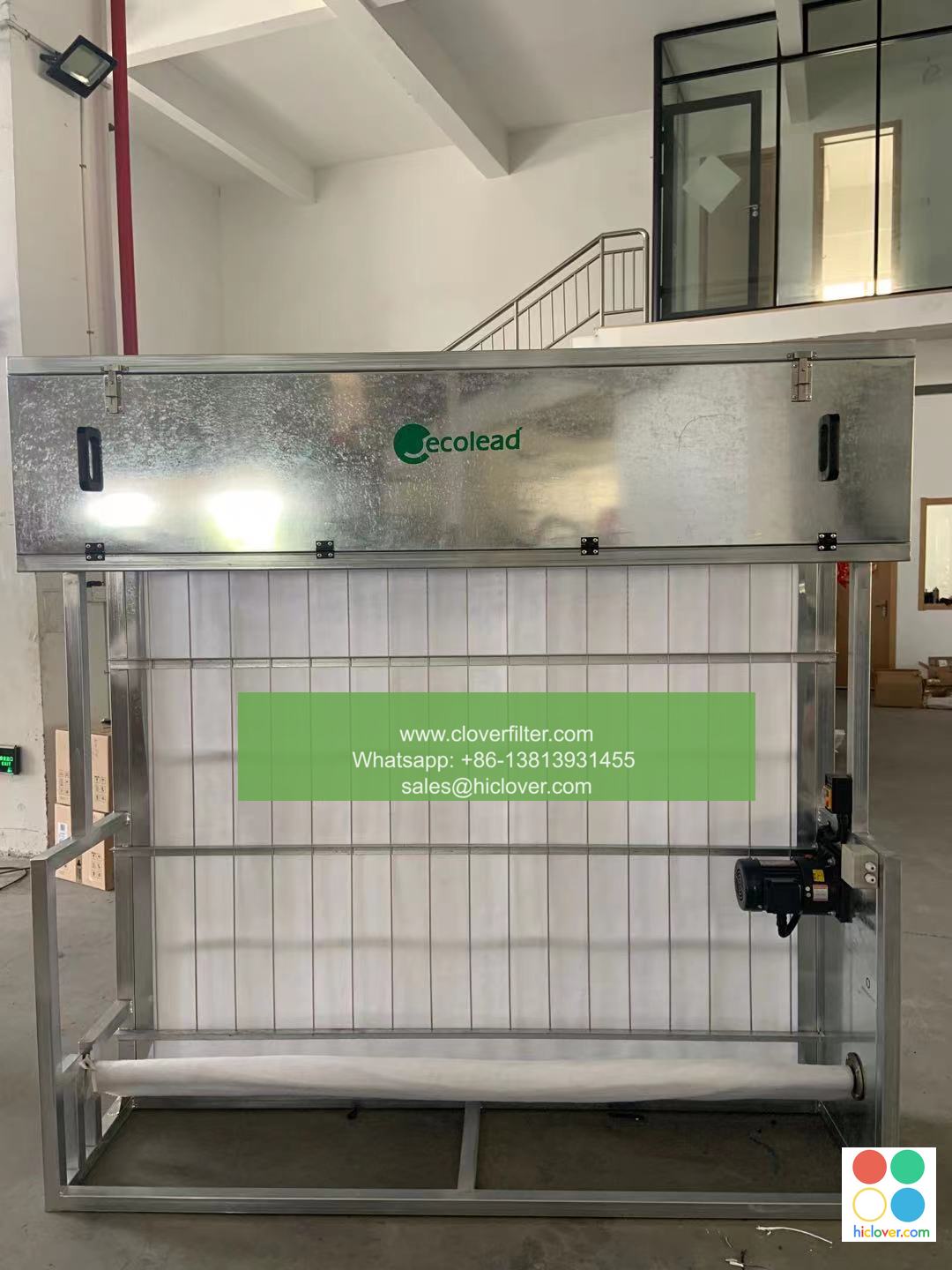
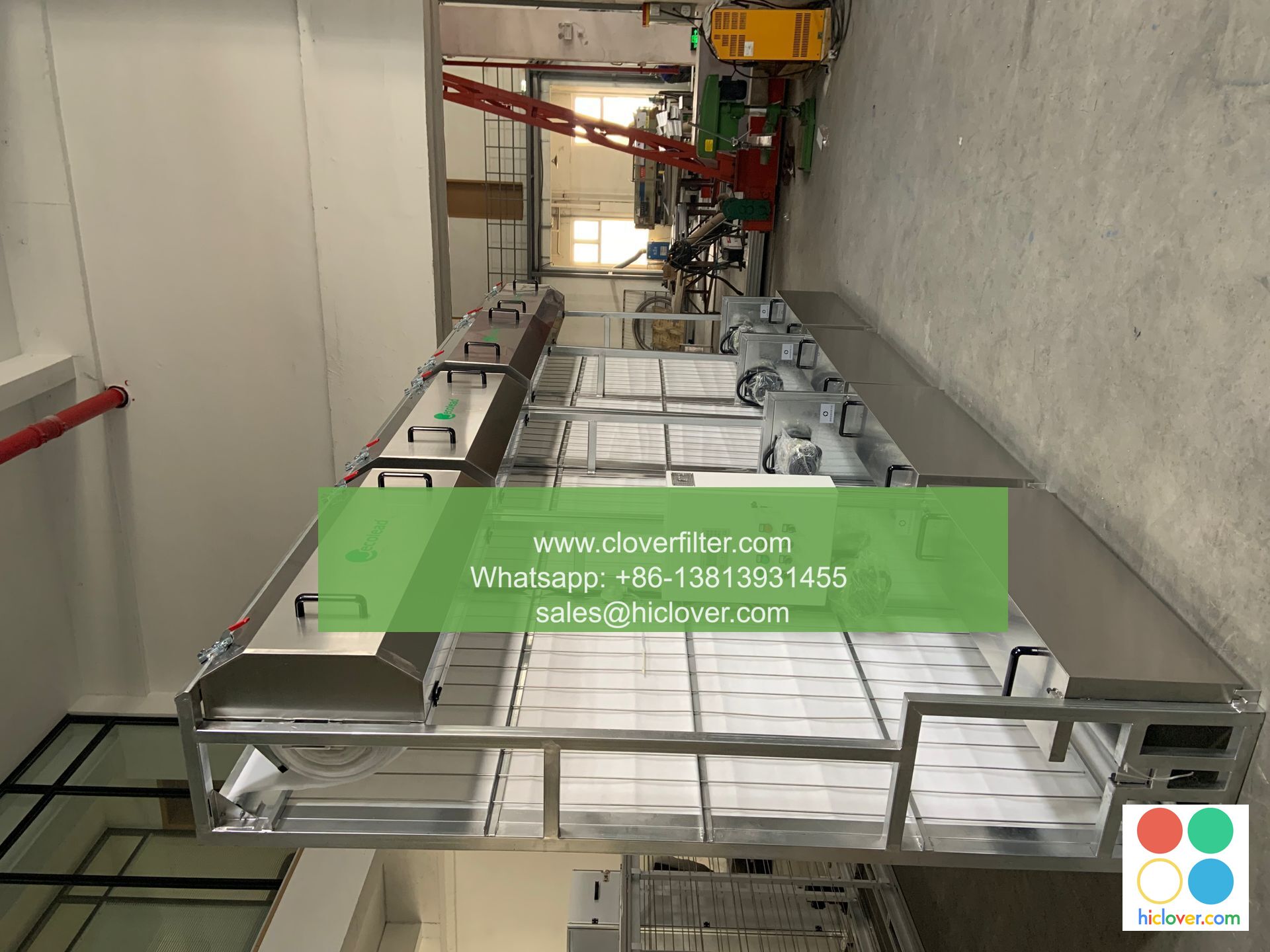
An Automatic Roll Air Filter is an innovative solution designed to optimize air quality in commercial HVAC systems. Unlike traditional filters, it features roll media that advances automatically to ensure cleanliness and efficiency. The filter works on a differential pressure trigger mechanism. When pressure builds up due to particle accumulation, the roll media advances, exposing clean material for continuous operation. Some models also include timer mode functionalities for scheduled maintenance, making it ideal for use in fresh air intakes, return air applications, or process zones.
How Automatic Roll Air Filters Work
The Automatic Roll Air Filter employs a few key technologies to enhance HVAC efficiency:

-
Roll Media Advance Logic: This technology automatically moves the filter media forward when it reaches a pre-defined pressure drop, ensuring a consistent filtration performance without manual intervention.
-
Differential Pressure Trigger: When resistance against airflow increases (typically due to particulates), the filter detects this change and activates the roll advance, maintaining optimal efficiency and cleanliness.
-
Timer Mode: Users can set timers for media advancement, allowing for optimized scheduling based on usage patterns or specific operational requirements.
This combination of features ensures that HVAC systems equipped with Automatic Roll Air Filters can operate efficiently with significantly reduced maintenance downtime.
Practical Selection Guide for Air Filter Materials
When selecting air filter materials, particularly for an Automatic Roll Air Filter, consider the following criteria:
- Airflow Range: Determine the system’s airflow requirement before selecting filter media for optimal performance.
- Face Velocity: Understand the required face velocity for your specific application to avoid air bypass or insufficient filtration.
- Media Width/Length: Choose dimensions that fit the infrastructure of your HVAC system.
- Frame Size: Selecting the appropriate frame size is essential for maintaining the integrity of the HVAC system.
- Control Options: Evaluate the options for automation and integration with existing system controls.
- Power Supply: Ensure compatibility with the HVAC system’s power supply for any electrical components.
- Installation Location: Decide where the filter will be installed—fresh air intake, return air, or process—because this affects media choice and filter specifications.
Comparison of Air Filter Types
| Filter Type | Best Use Case | Maintenance | Pressure Drop Behavior | Operating Cost | Typical Risk/Downside |
|---|---|---|---|---|---|
| Automatic Roll Air Filter | High-efficiency industrial use | Low (automated) | Consistent | Moderate to Low | Media fatigue over time |
| Bag Filter | Commercial buildings | Moderate | Higher initial drop | Moderate | Requires larger frame size |
| Panel Filter | Residential/VAV systems | High | Variable | High | Frequent replacements |
| V-bank Filter | Specialized industrial applications | Moderate to High | Consistent | Moderate | Less efficient for large volumes |
Common Mistakes & How to Avoid Them
- Choosing the Wrong Filter Type: Always confirm the application requirements before selecting an air filter material.
- Neglecting Differential Pressure Evaluation: Regularly monitor pressure changes to optimize filter performance.
- Underestimating Maintenance Needs: Even low-maintenance filters like Automatic Roll Filters require periodic checks.
- Ignoring System Compatibility: Ensure that the air filter materials fit the existing setup without modifications.
- Overlooking Air Flow Dynamics: Analyze how filter choices can impact airflow, leading to potential system inefficiencies.
- Compromising on Quality for Cost: Always prioritize quality to prevent long-term expenses from inefficiency.
- Failure to Understand Filter Ratings: Familiarize yourself with MERV ratings and other standards to make informed purchase decisions.
Real-World Scenarios
-
Data Center: A prominent data center adopted Automatic Roll Air Filters for their fresh air intakes. This choice led to a 30% reduction in energy consumption attributed to improved airflow management and reduced filter replacement costs.
-
Battery Factory: In a manufacturing facility focused on lithium batteries, the use of Automatic Roll Air Filters minimized particulate contamination, ensuring compliance with stringent quality control standards and enhancing production efficiency.
-
Paint Shop: A large automotive paint shop implemented these filters in their exhaust systems. The efficient particulate control reduced the risk of paint defects while optimizing operational costs associated with air quality maintenance.
-
Textile/Steel/Cement Plant: The facility shifted to using Automatic Roll Air Filters in their air handling units (AHUs). This transition led to savings in energy consumption and maintenance, improving overall system reliability.
FAQ
1. What are common air filter materials used in HVAC systems?
- Common air filter materials include fiberglass, polyester, pleated media, and HEPA media.
2. How does an automatic roll filter reduce maintenance?
- It automatically advances the media, reducing the need for manual replacement and cleaning.
3. Should I choose higher MERV-rated filters?
- Higher MERV ratings offer better filtration but may restrict air flow; choose based on the specific needs of your application.
4. How frequently should filters be checked?
- Regular checks are important, but optimal frequency varies based on individual application and system use.
5. Can I use Automatic Roll Air Filters in my existing HVAC setup?
- Yes, these filters can be integrated into both new and existing systems, but confirm specifications first.
6. What is the importance of differential pressure in air filtration?
- Differential pressure helps determine filter life and performance, serving as an indicator for media changes.
Conclusion
The choice of air filter materials is pivotal in the efficiency and effectiveness of HVAC systems. Automatic Roll Air Filters from CloverFilter not only facilitate superior filtration but also significantly reduce maintenance needs, enhancing operational efficiencies across various industries. By understanding your air quality requirements and filter options, you can make informed decisions that lead to improved air quality and energy savings.
For further insights into air filter materials or to explore our products, visit CloverFilter here or reach out through our contact page.
Meta Description: Discover how air filter materials influence HVAC efficiency with insights on Automatic Roll Air Filters and their impact on air quality management and energy savings.
It seems like you might be looking for a specific prompt or topic to discuss. Could you please provide more details or clarify what kind of prompt you’re interested in? Whether it’s for writing, brainstorming, or a specific subject, I’d be happy to help!
