How Air Filter Performance Affects Your Office’s Environment
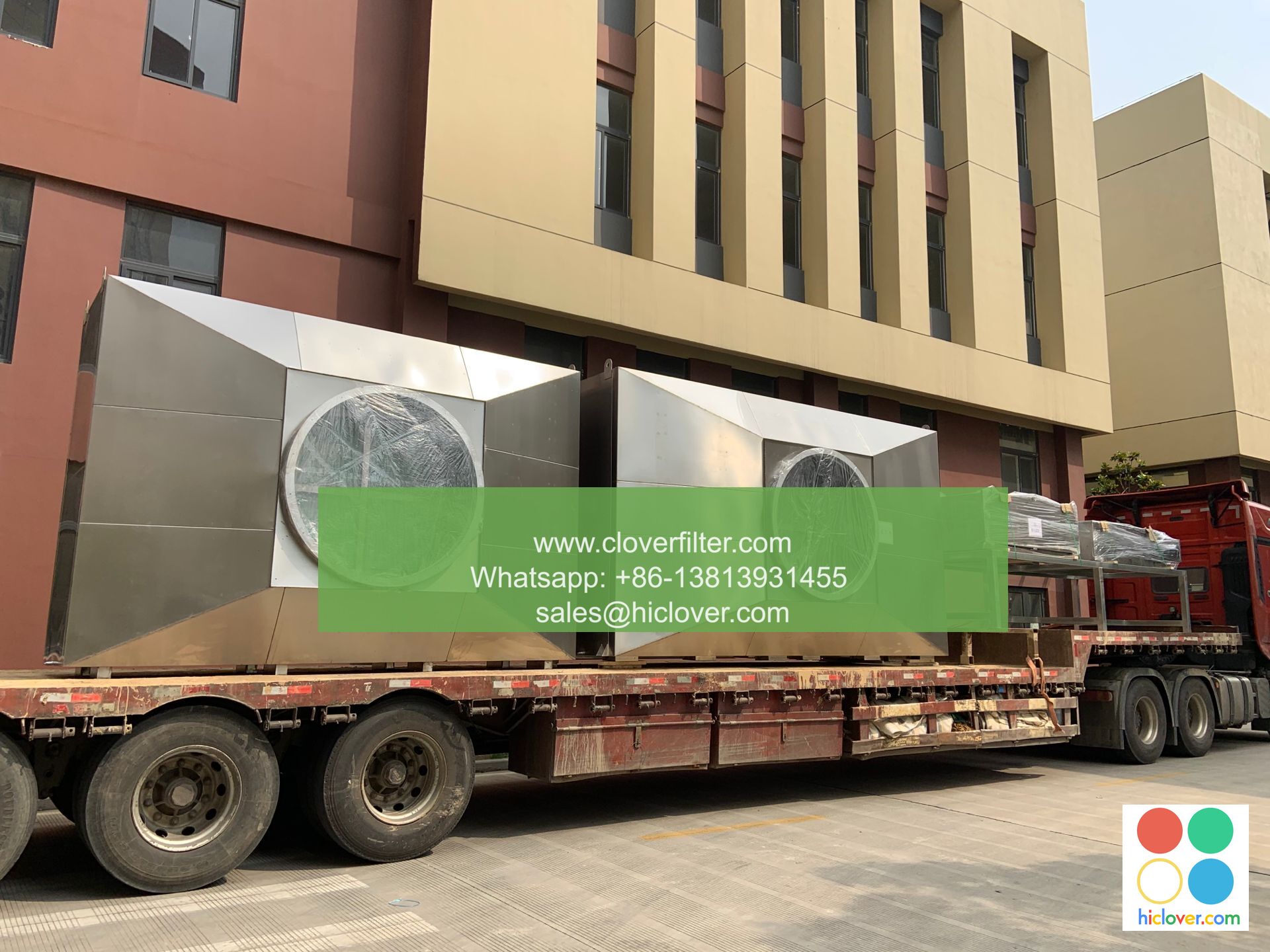
Air filter performance plays a crucial role in maintaining a healthy and productive office environment. The air we breathe has a significant impact on our overall well-being, and a well-functioning air filtration system is essential for indoor air quality (IAQ) management. In this article, we will explore how air filter performance affects your office’s environment, highlighting various application areas and the importance of air purification systems in maintaining a healthy indoor environment.
The Impact of Air Filter Performance on Office Environment
A good air filter can significantly improve the indoor air quality by removing particulate matter (PM), volatile organic compounds (VOCs), and other airborne pollutants from the air. This, in turn, can lead to a reduction in respiratory problems, allergy symptoms, and infectious disease transmission. Moreover, a well-maintained air filtration system can also help to eliminate odors and moisture, creating a more comfortable working environment for employees.
Key Application Areas for Air Filter Performance
The importance of air filter performance can be seen in various application areas, including:
* Commercial HVAC systems: Air filters are a critical component of commercial heating, ventilation, and air conditioning (HVAC) systems, helping to maintain a healthy indoor environment and reduce energy consumption.
* Industrial air purification: In industrial settings, air filters play a crucial role in removing hazardous pollutants and particulate matter from the air, ensuring a safe working environment for employees.
* Healthcare facilities: Air filter performance is particularly important in healthcare facilities, where infectious disease control and patient safety are top priorities.
Factors Affecting Air Filter Performance
Several factors can impact air filter performance, including:
* Filter type and quality: The type and quality of air filter used can significantly impact its performance, with HEPA filters and activated carbon filters being popular choices for their high efficiency and effectiveness.
* Filter maintenance and replacement: Regular maintenance and replacement of air filters are essential for ensuring optimal performance and preventing filter degradation.
* Airflow and system design: The design of the air filtration system and airflow rates can also impact air filter performance, with proper system design and airflow management being critical for optimal IAQ management.

Best Practices for Optimizing Air Filter Performance
To optimize air filter performance and maintain a healthy indoor environment, follow these best practices:
* Regularly inspect and maintain air filters to ensure they are functioning properly.
* Replace air filters as recommended by the manufacturer or when they become dirty or damaged.
* Monitor indoor air quality using air quality sensors and IAQ monitoring systems to identify areas for improvement.
* Consider upgrading to high-efficiency air filters, such as HEPA filters or ultra-low penetration air (ULPA) filters, for improved IAQ management.
In conclusion, air filter performance is a critical component of office environmental quality, and its impact should not be underestimated. By understanding the importance of air filter performance and following best practices for optimization, you can create a healthy and productive office environment that benefits both employees and the organization as a whole. You haven’t asked a question or provided any context for me to respond to. What would you like to talk about or ask? I’ll do my best to provide a helpful and direct answer.
