How Air Filter Teams Can Help Improve Patient Health and Well-being
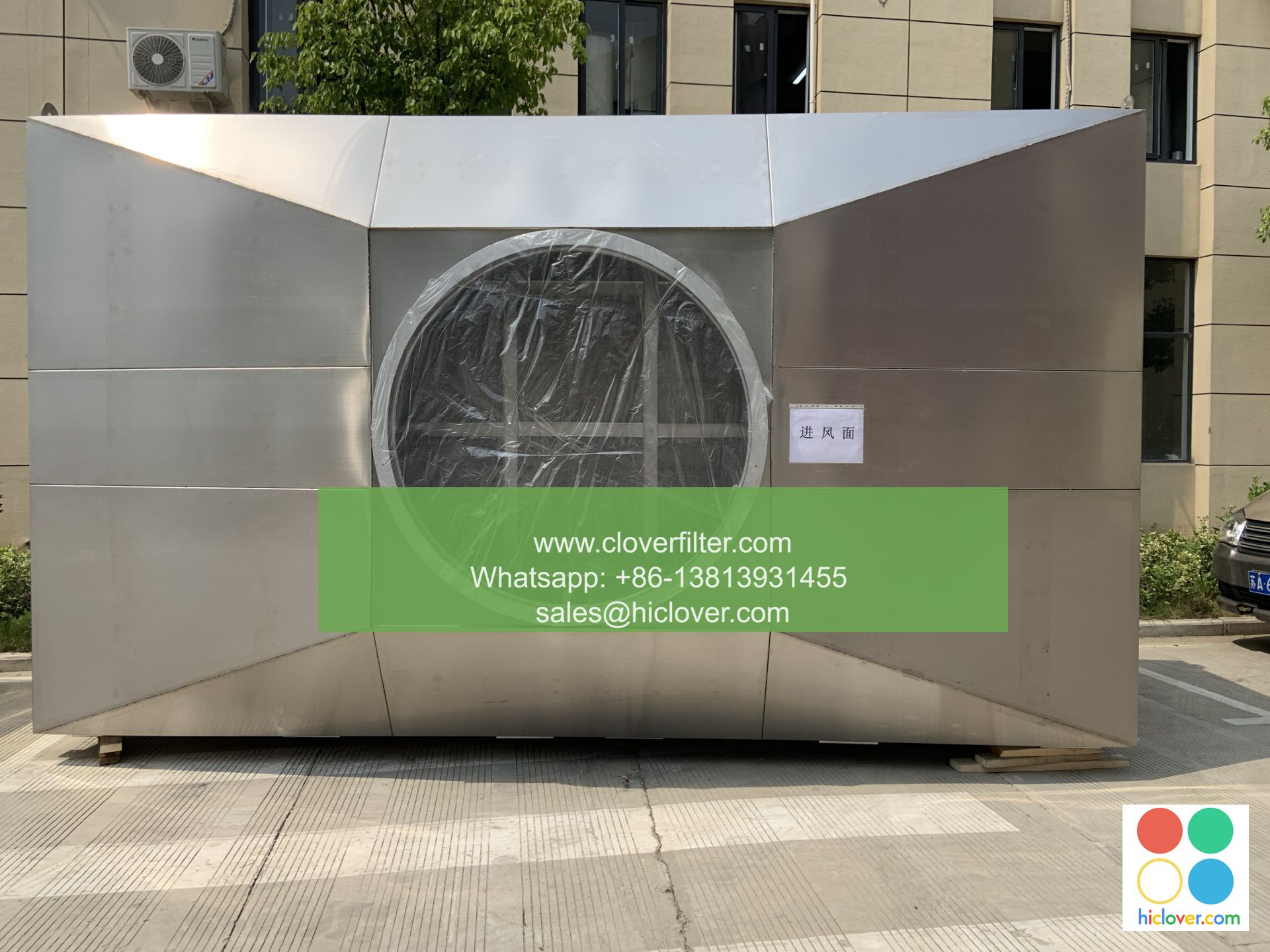
In today’s rapidly evolving healthcare landscape, the significance of maintaining optimal indoor air quality cannot be overstated. Poor air quality has been linked to a multitude of health issues, especially in sensitive environments such as hospitals and clinics. Air filter teams play a vital role in this regard, ensuring that the air patients breathe is clean and conducive to healing. This article delves into the various application areas of air filter teams and their impact on patient health and well-being.
The Importance of Clean Air in Healthcare Settings

Healthcare facilities are particularly vulnerable to air quality issues. Patients with compromised immune systems or respiratory conditions can be severely affected by pollutants, allergens, and pathogens in the air. By implementing advanced filtration systems, air filter teams work tirelessly to create cleaner, safer environments for patients. Key benefits include:
- Reduced Infection Rates: Enhanced air filtration helps minimize airborne pathogens, significantly reducing the risk of hospital-acquired infections.
- Improved Patient Outcomes: Cleaner air contributes to faster recovery rates, as patients can breathe easier and experience fewer complications.
- Enhanced Comfort: A well-maintained air quality reduces odors and irritants, making patients feel more comfortable during their stay.
Key Application Areas of Air Filter Teams
1. Hospitals and Surgical Centers

In surgical centers and intensive care units (ICUs), the stakes are particularly high. Air filter teams specialize in maintaining higher standards of filtration in these critical areas to prevent contamination during procedures. HEPA (High-Efficiency Particulate Air) filters are often utilized to trap microscopic particles, ensuring a sterile environment.
2. Outpatient Clinics
Outpatient clinics serve a diverse patient base, making air quality management essential. Air filter teams regularly monitor and replace filters, as well as ensure proper ventilation systems are in place, which is crucial for patient comfort and health.
3. Long-term Care Facilities
For long-term care facilities, where many residents may have chronic illnesses, air filter teams help establish a healthier living environment. They work on integrating air quality control measures that specifically address the needs of vulnerable populations.
Strategies Employed by Air Filter Teams
Effective air filtration systems don’t just happen; they require a strategic approach. Air filter teams utilize a range of strategies to improve air quality:
- Regular Maintenance: Ongoing maintenance of filtration systems ensures that they operate at peak efficiency.
- Monitoring Air Quality: Implementing air quality sensors allows air filter teams to detect changes in pollutants and respond proactively.
- Educating Staff: By training healthcare staff about the importance of air quality, air filter teams foster a culture of health and safety.
Conclusion: A Breath of Fresh Air for Health and Well-being
In conclusion, air filter teams are an essential component of healthcare operations that significantly influence patient health and well-being. Their collaboration with healthcare providers leads to improved air quality, which is crucial for fostering an environment conducive to healing. As we continue to recognize the importance of clean air in healthcare settings, investing in proficient air filter teams will undoubtedly pay dividends in patient care and recovery outcomes.
By prioritizing air quality, healthcare facilities not only comply with health regulations but also ensure that patients experience the highest level of care possible.
It looks like you’ve entered “Prompt.” Can you please provide more context or clarify what kind of prompt you’re looking for? Are you interested in writing prompts, coding prompts, art prompts, or something else? Let me know how I can assist you!
