How Air Filters Can Improve Indoor Air Quality in Office Buildings
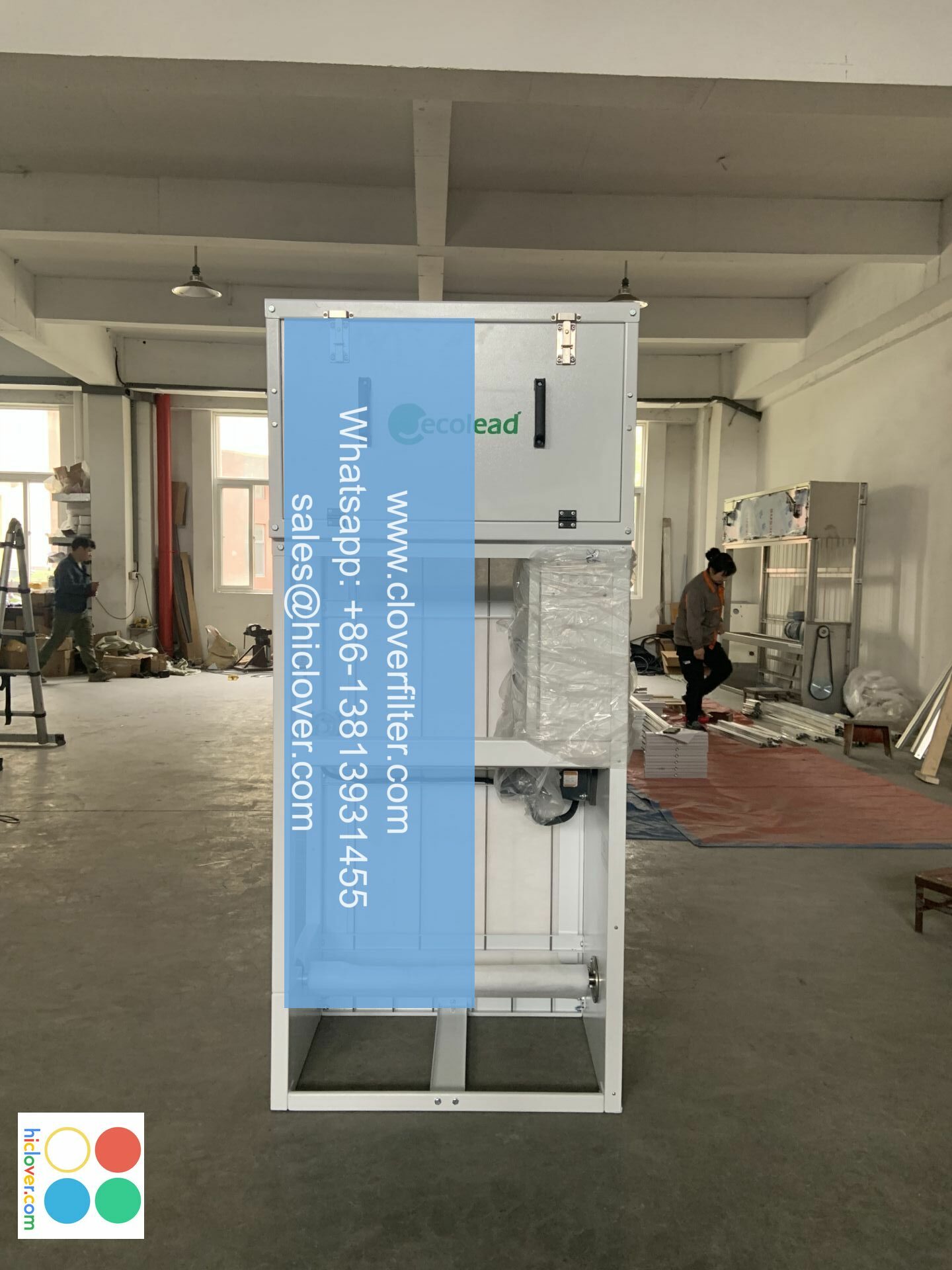
In today’s fast-paced corporate environment, the importance of maintaining high indoor air quality is paramount. Office buildings often harbor various pollutants and allergens that can adversely affect the health and productivity of employees. Implementing high-performance air filters can significantly improve the quality of the air we breathe indoors, leading to a healthier workplace.
The Impact of Indoor Air Quality on Employee Health

Research has shown that poor indoor air quality (IAQ) can lead to a variety of health problems, from headaches and fatigue to serious respiratory issues. Common pollutants in office spaces include dust, pollen, mold spores, and volatile organic compounds (VOCs) from office furniture and equipment. By installing effective air filtration systems, office buildings can cleanse the air of these harmful substances.
Types of Air Filters and Their Applications
There are several types of air filters available, each tailored for different needs:
- HEPA Filters: Known for trapping 99.97% of particles as small as 0.3 microns, these filters are perfect for removing dust, pollen, and pet dander.
- Activated Carbon Filters: Efficient at absorbing odors and hazardous gases, making them ideal for kitchens or areas with high chemical exposure.
- UV Light Filters: These filters use ultraviolet light to kill germs and bacteria, enhancing the sanitization of indoor air.
- Electrostatic Filters: Effective in capturing smaller particles thanks to their charge, they also require less frequent replacement.
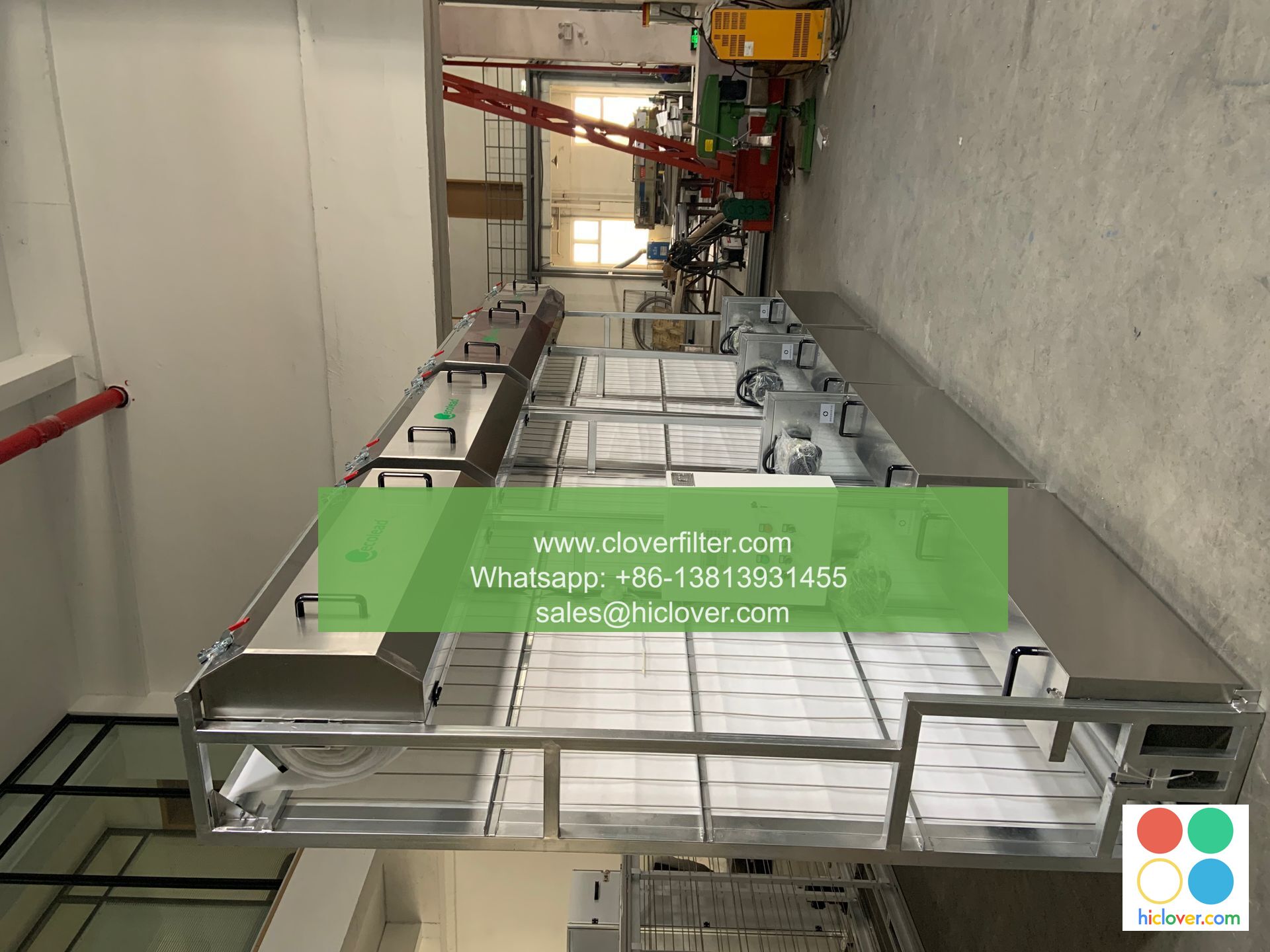
How Air Filters Enhance Productivity
Good indoor air quality has been linked to improved cognitive function and concentration levels. Employees exposed to cleaner air tend to exhibit better engagement and productivity. By reducing the presence of allergens and toxins, high-quality air filters not only promote health but also boost overall workplace morale.
Reducing Absenteeism through Improved Air Quality
Implementing effective air filtration systems can lead to a reduction in sick days. When workers are around clean, filtered air, they are less susceptible to illness. This not only improves the quality of life for employees but also benefits the organization by minimizing disruptions caused by absenteeism.
Conclusion: A Healthy Investment for Office Buildings
Investing in high-quality air filters is not just an environmental concern; it’s a strategic business decision. By prioritizing the health of workers through optimized indoor air quality, employers create a safer and more productive atmosphere. In turn, this results in better employee retention and satisfaction rates, establishing a key advantage in today’s competitive job market.
Final Thoughts
In summary, integrating air filters in office buildings can greatly enhance indoor air quality, ultimately benefiting the health and productivity of employees. Whether through HEPA, activated carbon, or other filter types, the applications are diverse and invaluable. As we move forward, let’s ensure our workspaces promote the health of workers with every breath taken.
It seems like you want to start a prompt or maybe you have a topic in mind. Could you please clarify what you’re looking for? Are you in need of writing inspiration, specific questions, or something else entirely? Let me know how I can help!
