How Air Quality Regulations are Shaping the Air Filter Market
Key Takeaways
- Air quality regulations are evolving, impacting air filter markets significantly.
- Products like the Automatic Roll Air Filter are designed for efficiency in a variety of settings.
- Compliance with standards such as ISO 16890 and MERV is essential for operational integrity.
- Proper selection of air filters can greatly enhance maintenance schedules and energy efficiency.
- Understanding the differences between filter types is key for procurement managers.
- Avoiding common pitfalls in air filter selection can reduce costs and improve air quality.
- Airflow Range: Determine the necessary airflow capacity for your facility.
- Face Velocity: Ensure that the filter meets recommended face velocity to optimize airflow.
- Media Width/Length: Choose appropriate dimensions based on the available space and required area.
- Frame Size: Select a frame that fits your HVAC system’s specifications.
- Control Options: Consider automation features for ease of operation and maintenance.
- Power Supply: Ensure the filtration system has suitable power requirements for your operations.
- Installation Location: Decide whether the filter will be installed at fresh air intake, return, or process locations.
- Underestimating airflow requirements.
- Failing to consider maintenance schedules.
- Ignoring differential pressure readings.
- Not researching the specific needs of the facility.
- Overlooking the importance of local air quality regulations.
- Choosing the wrong media type for particulate control.
- Neglecting future scalability and growth requirements.
- Misjudging the acceptable pressure drop for the system.
- Forgetting to verify the product’s compliance with standards.
- Assuming that one filter type can fit all applications.

The Impact of Air Quality Regulations on the Air Filter Markets
In recent years, air quality regulations have become a focal point for industries focusing on improving indoor air quality. These regulations affect various sectors, from healthcare to manufacturing, driving innovation and adaptation within the air filter markets. As companies adapt to stricter guidelines, the demand for advanced filtration systems such as the Automatic Roll Air Filter is on the rise.
Understanding the Automatic Roll Air Filter
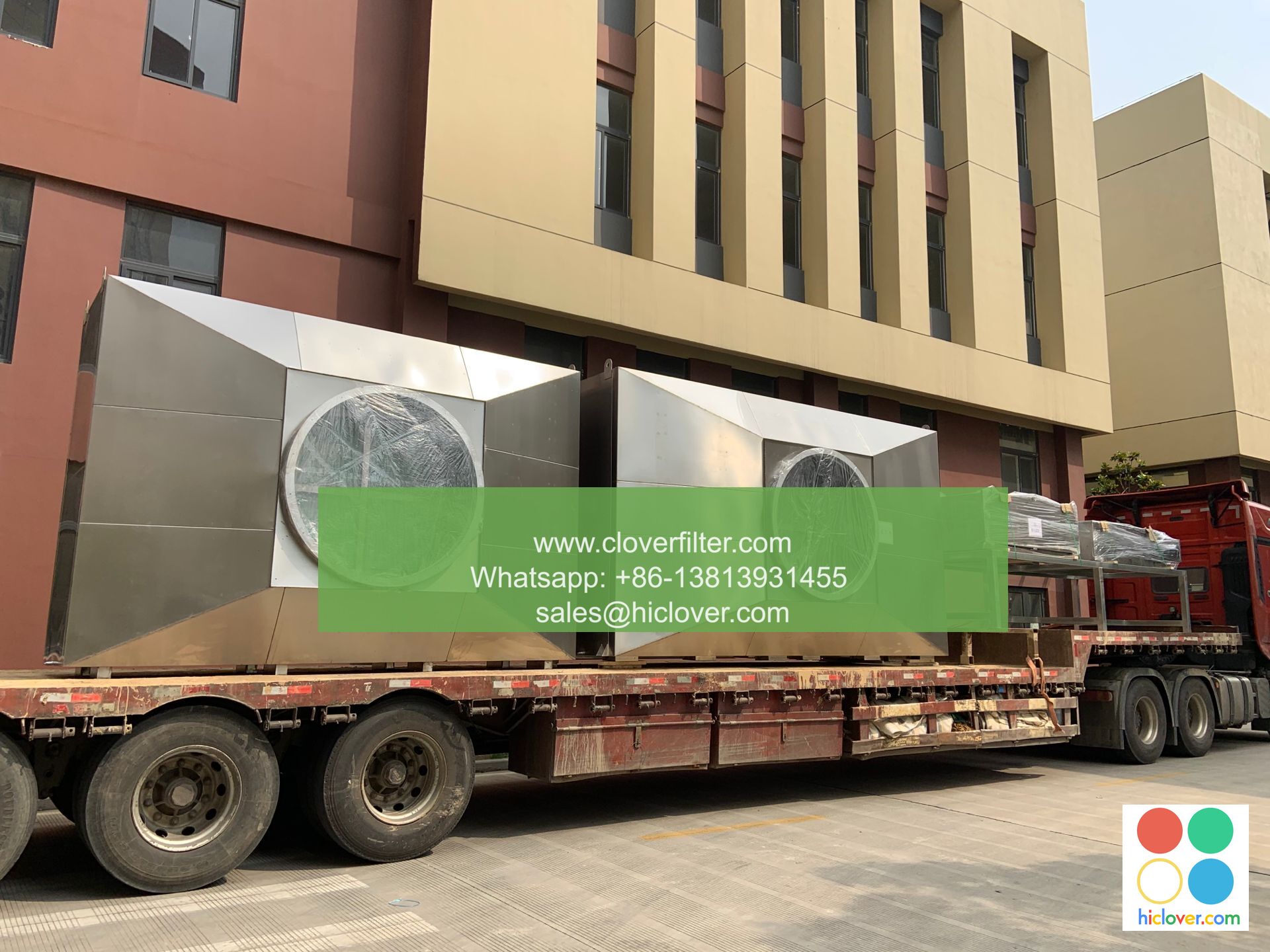
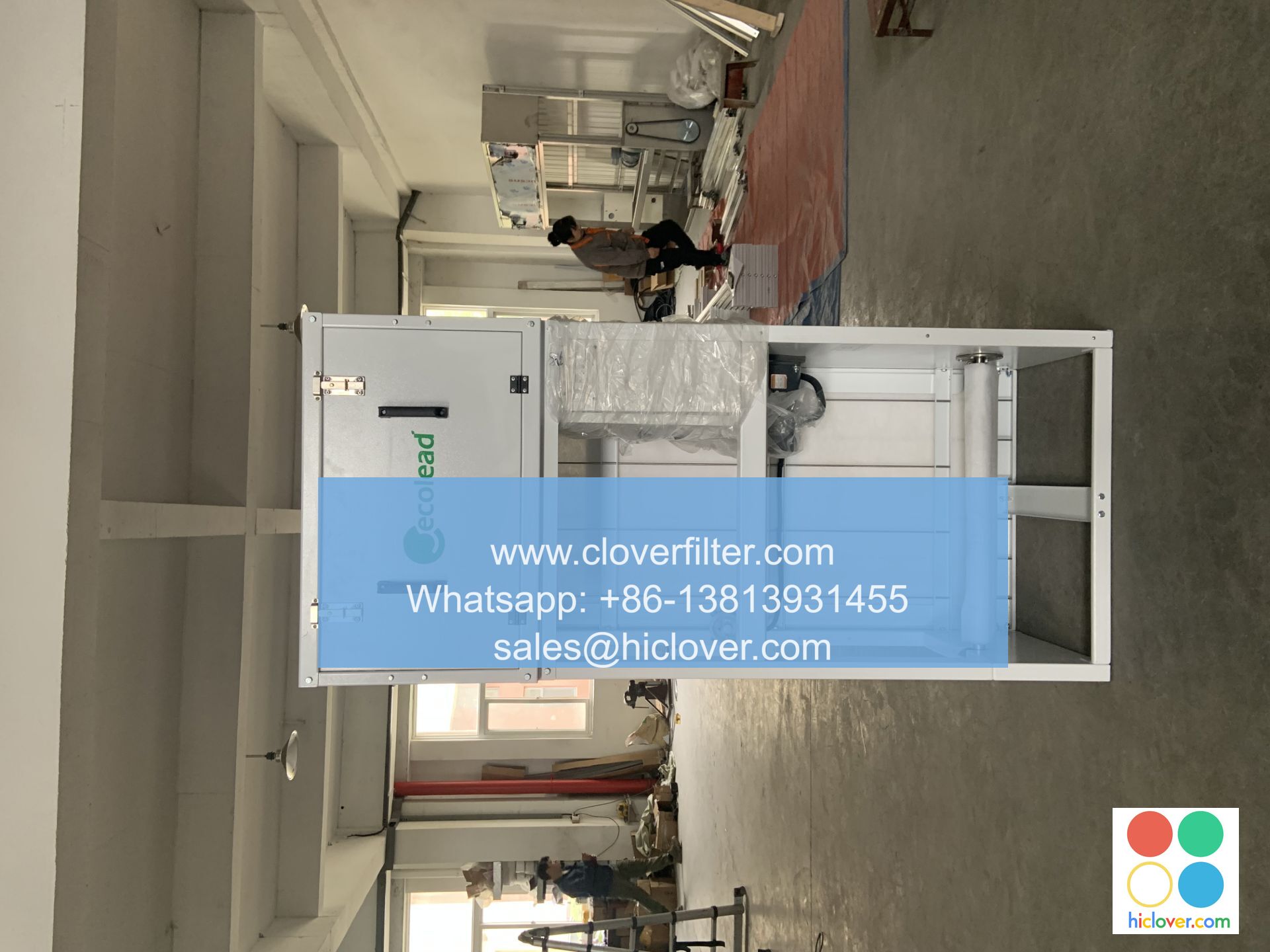
An Automatic Roll Air Filter is an innovative solution designed to enhance air filtration systems in HVAC and AHU (Air Handling Unit) setups. It operates on a roll media advance logic system, where the media is automatically advanced based on differential pressure triggers. This ensures that you only use clean filter media when needed, effectively optimizing the lifespan and performance of the filter. With a built-in timer mode, it can adjust operations to meet varying demand, ensuring efficiency in maintaining air quality.
Where Does the Automatic Roll Filter Fit in HVAC Systems?
Automatic Roll Air Filters are particularly suitable for fresh air intakes, return air applications, and various processes that require maintenance of clean air environments. Their design allows them to effectively manage particulate control while providing energy-saving benefits through reduced pressure drops.
Practical Selection Guide for Air Filter Buyers
When selecting an air filter for your facility, consider the following parameters to ensure optimal performance and compliance with existing air quality regulations:
Comparison of Filter Types
Here’s a comparison of the Automatic Roll Air Filter against traditional filter types:
| Filter Type | Best Use Case | Maintenance | Pressure Drop Behavior | Operating Cost | Typical Risk/Downside |
|---|---|---|---|---|---|
| Automatic Roll Air Filter | Large-scale air handling | Low – automatic advance | Stable | Moderate | Higher initial investment |
| Bag Filter | General use in factories | Moderate | Variable | Moderate | Frequent replacement needed |
| Panel Filter | Smaller systems capabilities | Low | Low | Low | Limited air quality control |
| V-bank Filter | High-efficiency environments | Moderate | Moderate | High | Clogging with high dust loads |
Common Mistakes & How to Avoid Them
Real-World Scenarios
Data Center
In a recent installation at a data center, the team chose the Automatic Roll Air Filter to manage heat loads and maintain clean air for equipment cooling. This decision led to an observable drop in energy consumption due to reduced pressure drop and improved airflow efficiency.
Lithium Battery Factory
A lithium battery manufacturer implemented an Automatic Roll Air Filter in their facility’s fresh air intake area. Compliance with air quality regulations was a priority, and the product’s automatic media advancement significantly reduced operational downtime, improving overall production efficiency.
Paint Shop
In a busy paint shop, maintaining a clean air environment is crucial. By installing CloverFilter’s Automatic Roll Air Filter, the facility minimized VOC exposure and exceeded local air quality standards while achieving significant reductions in maintenance frequency.
Textile/Cement Plant
At a textile and cement plant, the adaptability of the Automatic Roll Air Filter allowed it to deal effectively with high particulate loads. The facility witnessed improved air quality and compliance with industry standards, leading to enhanced employee satisfaction and productivity.
FAQ Section
What are the main benefits of using an Automatic Roll Air Filter?
The main benefits include reduced maintenance, energy savings, and consistent air quality management tailored to facility needs.
How does differential pressure affect filter performance?
Differential pressure indicates the buildup of particulates on the filter; maintaining optimal levels ensures maximum efficiency and longevity.
What industries benefit most from advanced air filtration?
Industries such as healthcare, manufacturing, data centers, and any facility requiring strict air quality control benefit significantly from advanced systems like the Automatic Roll Air Filter.
Can the Automatic Roll Air Filter be retrofitted into existing systems?
Yes, the Automatic Roll Air Filter is designed for easy integration into both new and existing HVAC systems.
Are there compliance standards for air filters?
While the Automatic Roll Air Filter meets general industry frameworks like ISO 16890 and MERV concepts, specific certifications should be requested directly for verification.
How do I determine the right filter for my facility?
Identify your airflow requirements, face velocity, and ideal media type before consulting with experts in the field to ensure you select the best option for your environment.
Conclusion
As the air filter markets evolve alongside tightening air quality regulations, procurement managers and facility engineers must choose products that not only comply with standards but also enhance operational efficiency. The Automatic Roll Air Filter by CloverFilter exemplifies a solution that meets these needs, streamlining air management while prioritizing air quality.
Explore more about CloverFilter products and features at CloverFilter. If you have questions or need assistance finding the right filtration solution, reach out to our team through our Contact Page.
Meta Description: Air quality regulations impact air filter markets, driving innovation in products like the Automatic Roll Air Filter. Learn more about industry standards and solutions.
It seems like you entered “Prompt,” but I need a bit more context or detail to assist you effectively. Could you please provide more information about what you’re looking for? Whether it’s a writing prompt, a question, or something else, I’m here to help!
