How Air Roll Filters Improve Substation Reliability in Offshore Wind Farms
The transition to renewable energy sources is gaining momentum, with offshore wind farms playing a crucial role in this shift. Among the various components that ensure the efficient functioning of these wind farms, substations are essential for collecting and distributing electricity. One aspect that significantly contributes to substation reliability is the implementation of air roll filters. This article explores how air roll filters enhance the performance of substations in offshore wind farms, while highlighting their diverse application areas.
Understanding Air Roll Filters

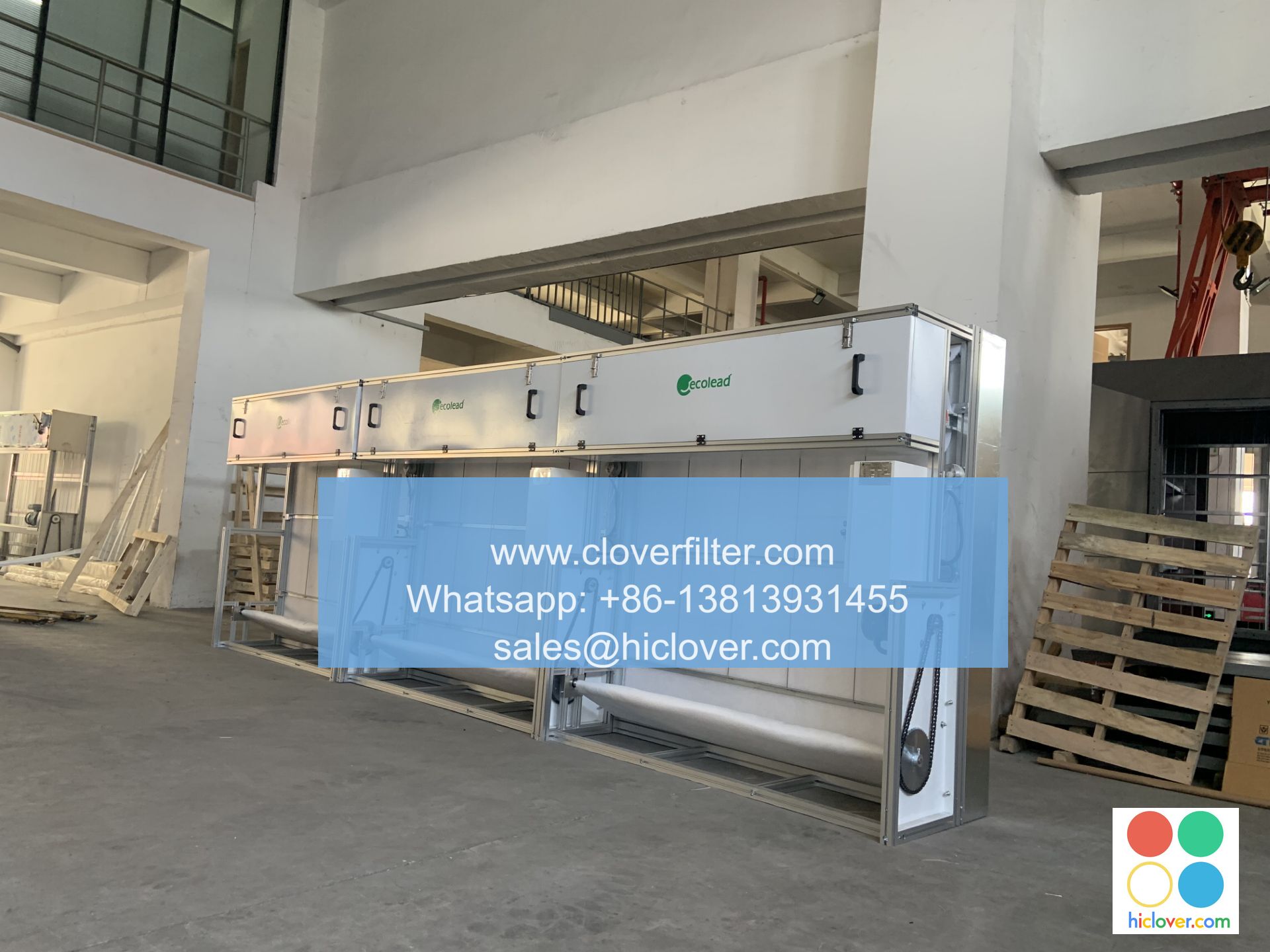
Air roll filters are specialized filtration systems designed to remove contaminants from the air in substations. These filters operate based on a unique rolling mechanism that captures dust, dirt, and other airborne particles. By maintaining a clean environment within substations, air roll filters play a vital role in ensuring that electrical equipment operates efficiently and that downtime is minimized.
Key Benefits of Air Roll Filters
-
Enhanced Equipment Longevity
- By filtering out harmful particles, air roll filters extend the lifespan of substation components such as transformers, circuit breakers, and inverters. This protection against contaminants prevents equipment malfunction and reduces maintenance costs, ultimately improving the overall reliability of the system.
-
Reduced Risk of Failures
- Offshore environments are particularly susceptible to harsh weather conditions and a high level of salt in the air, which can accelerate the deterioration of electrical equipment. Air roll filters mitigate this risk by providing a constant supply of clean air, thereby decreasing the likelihood of sudden failures that can lead to costly outages.
-
Improved Energy Efficiency
- Clean air contributes to improved operational efficiency. When electrical components are free from contaminants, they can operate at optimal performance levels. This enhancement means lower energy consumption and a reduced carbon footprint for offshore wind farms, aligning with global sustainability goals.
Application Areas of Air Roll Filters in Offshore Wind Farms
1. Substation Build Environment
Substations are crucial nodes in any electricity network, and their construction and operational environments can expose them to various pollutants. Air roll filters are used extensively in these facilities to ensure a consistent supply of clean air, which is essential for maintaining reliability.
2. Cooling Systems and Heat Exchangers
Cooling systems in substations rely heavily on clean air circulation. Air roll filters help preserve the efficiency of cooling systems and heat exchangers, which are vital for dissipating heat generated by electrical equipment. This aspect is especially important in offshore wind farms, where maintaining optimal temperatures is crucial for operational integrity.
3. Control Room and Communication Systems
Control rooms within offshore wind farm substations contain sensitive electronic equipment that is susceptible to damage from environmental pollutants. Air roll filters can be applied to these areas to protect communication systems, ensuring that real-time data transmission and monitoring remain uninterrupted.
4. Maintenance and Safety Protocols
Utilizing air roll filters as part of regular preventive maintenance protocols enhances safety measures in offshore wind farms. By ensuring a clean air supply, these filters reduce the risk of dust accumulation and associated electrical hazards, thus facilitating a safer working environment for maintenance personnel.
Conclusion
The integration of air roll filters in offshore wind farm substations significantly boosts reliability, ensuring that these renewable energy sources can operate effectively in challenging environments. Their ability to filter contaminants makes a substantial difference in equipment performance, maintenance costs, and energy efficiency. As the push for green energy continues, air roll filters will undoubtedly play an essential role in advancing the reliability of offshore wind farms, contributing to a more sustainable future.
By focusing on these filtration systems, stakeholders in the offshore wind sector can foster greater operational integrity, protect valuable assets, and enhance overall productivity in their renewable energy endeavors.
It looks like you might want to provide a specific prompt or idea. What would you like assistance with or what topic do you have in mind?
