How Automatic Roll Intake Filters Enhance HVAC Efficiency in Air Cargo Processing
Introduction

In the fast-paced environment of air cargo processing, efficiency is paramount. High-efficiency HVAC systems play a critical role in ensuring optimal operational conditions. One innovative solution that has gained traction in recent years is the use of automatic roll intake filters. This technology not only improves air quality but also enhances overall HVAC system performance.
Understanding Automatic Roll Intake Filters
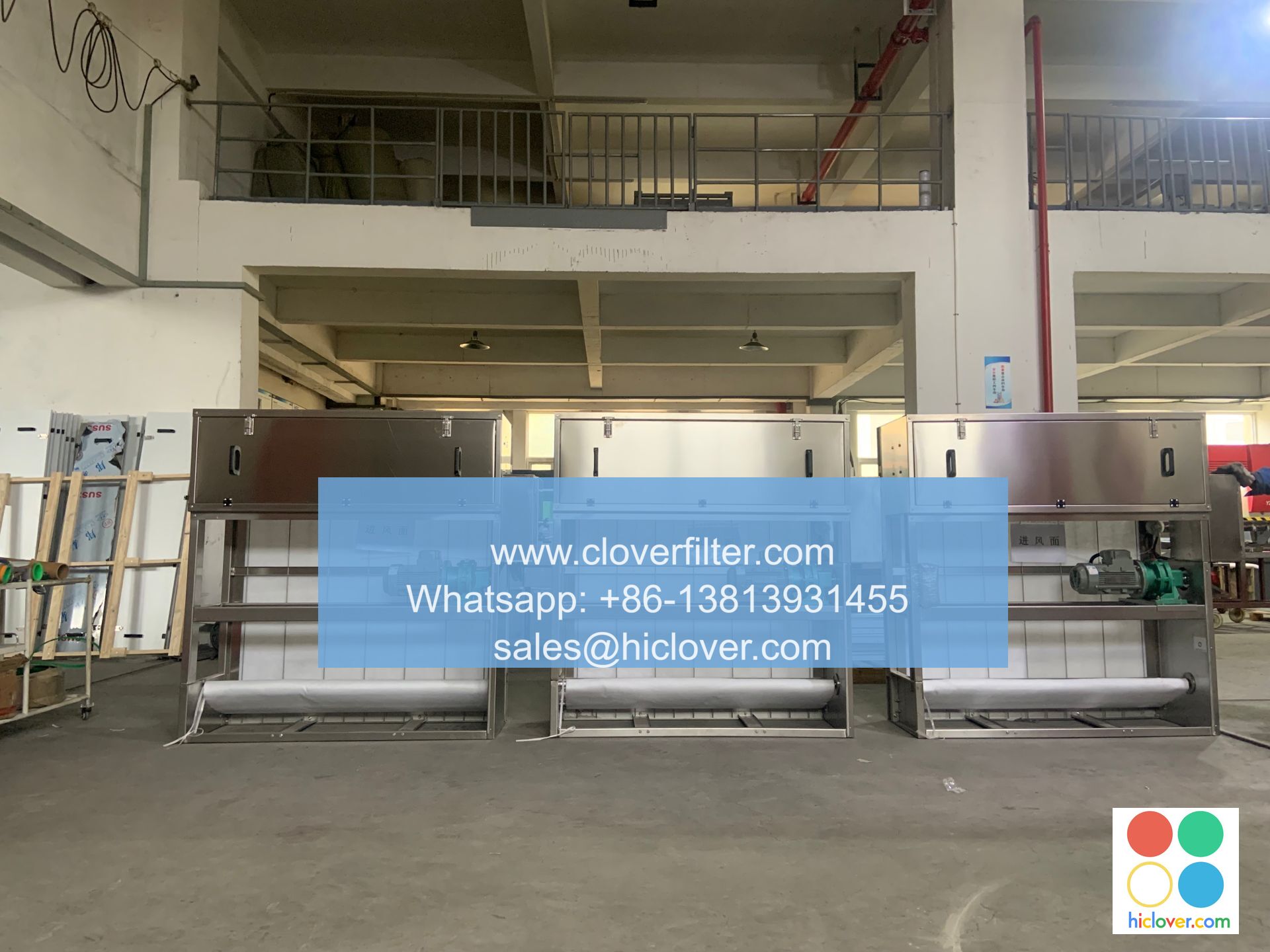
Automatic roll intake filters are advanced filtration systems designed to streamline the intake of air into HVAC units. Unlike traditional filters, these devices automatically adjust to the varying demands of air cargo facilities, providing consistent airflow and filtration based on real-time conditions.
The Importance of HVAC Efficiency in Air Cargo Facilities
Efficient HVAC systems are vital in air cargo facilities for several reasons:
- Air Quality: Constant air quality control is crucial, especially in environments handling sensitive cargo such as pharmaceuticals and electronics.
- Energy Savings: HVAC systems often account for a significant portion of operational costs. Enhancing efficiency reduces energy consumption and costs.
- Regulatory Compliance: Maintaining appropriate temperature and humidity levels ensures compliance with industry standards and regulations.
Benefits of Automatic Roll Intake Filters
The incorporation of automatic roll intake filters offers several advantages that significantly contribute to HVAC efficiency within air cargo processing:
1. Enhanced Filtration Performance
These filters automatically adjust their operation based on particle load and environmental conditions, resulting in improved filtration efficiency. This is crucial in air cargo processing, where air quality can be compromised by dust, pollutants, and other particulates.
2. Reduced Energy Consumption
By balancing airflow according to demand, automatic roll intake filters minimize unnecessary energy expenditure. This results in lower HVAC runtime and reduced electricity costs, contributing to overall operational savings.
3. Smart Technology Integration
Modern automatic roll intake filters can integrate with building management systems (BMS), allowing for predictive maintenance and real-time monitoring. This capability enhances operational transparency, leading to timely interventions when issues arise.
Applications Across Air Cargo Processing
Automatic roll intake filters illustrate their versatility in various areas of air cargo processing:
1. Temperature-Controlled Warehouses
In temperature-controlled warehouses, maintaining the desired climate is essential. Automatic filters ensure that air quality remains high while minimizing energy consumption.
2. Cargo Handling Areas
In dynamic cargo handling zones, the need for quick adjustments in airflow can be met with these filters, alleviating airborne contaminants and ensuring the safety of goods.
3. Office and Staff Areas
Maintaining comfort in employee workspaces is equally important. Enhanced ventilation through improved filtration creates a healthier environment for staff.
Conclusion
As the air cargo industry continues to evolve, so too does the technology that supports its operations. Automatic roll intake filters present an innovative solution for enhancing HVAC efficiency, significantly impacting energy costs, air quality, and overall operational effectiveness. Investing in this technology not only supports compliance and safety but also contributes to a sustainable future for air cargo processing.
It looks like you entered “Prompt.” How can I assist you with that? Are you looking for a writing prompt, a specific type of prompt, or something else? Let me know!
