How HVAC Filtering Technologies Impact Kisumu’s Cold Supply Chains
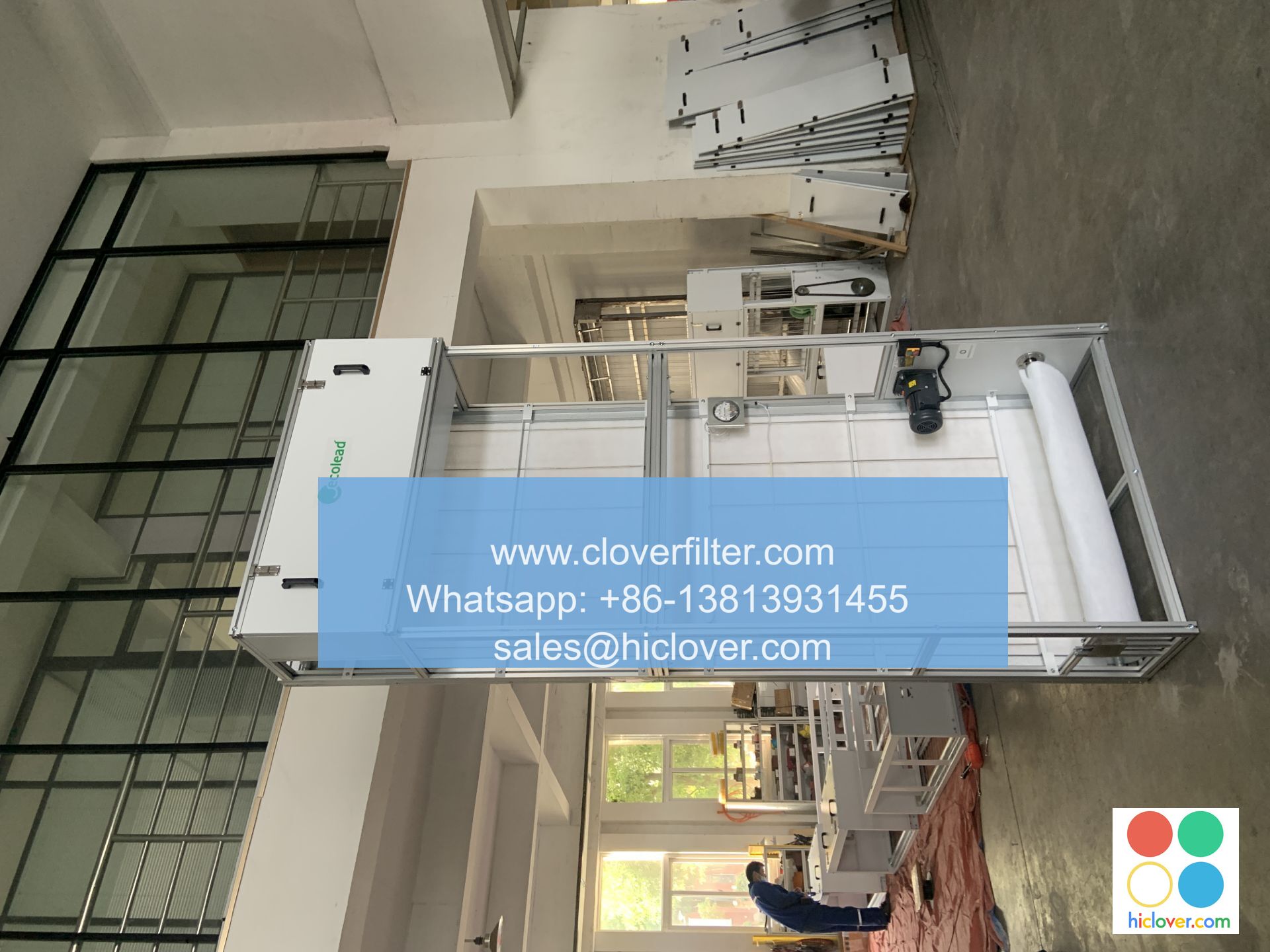
In an era where the efficiency and reliability of supply chains are paramount, the role of HVAC (Heating, Ventilation, and Air Conditioning) filtering technologies cannot be underestimated. In Kisumu, a vibrant city in Kenya, the impact of these technologies on cold supply chains is significant. This article explores the importance of HVAC filtering technologies, their applications, and the resulting benefits for businesses and consumers alike.
Understanding HVAC Filtering Technologies
HVAC filtering technologies refer to the systems designed to enhance indoor air quality by trapping pollutants, allergens, and other particulates. Air filtration is essential in maintaining optimal conditions for perishable goods, especially in cold supply chains where products like pharmaceuticals, food, and other temperature-sensitive items are stored and transported.
Key Types of HVAC Filters
-
HEPA Filters: High-Efficiency Particulate Air (HEPA) filters are highly efficient, capturing 99.97% of particles that are 0.3 microns or larger. These filters are crucial in settings where air quality is critical, such as hospitals and food processing facilities.
-
Activated Carbon Filters: These filters absorb odors and volatile organic compounds (VOCs). They are particularly useful in maintaining the freshness of stored products by removing unpleasant smells that could compromise product quality.
-
Ultraviolet (UV) Light Filters: UV light filters eliminate bacteria and viruses, ensuring that the air circulating through storage and transportation environments is safe and clean. This technology is vitally important in healthcare supply chains.
The Importance of HVAC Filtering in Cold Supply Chains
Cold supply chains are sensitive systems that require precise environmental controls to ensure products remain within their specified temperature ranges. In Kisumu, where the climate can be humid and unpredictable, HVAC filtering technologies play a pivotal role in preserving product integrity throughout the supply chain.
Applications Across Various Sectors
-
Pharmaceuticals: Proper air filtration is essential in maintaining controlled environments for the storage and transportation of temperature-sensitive pharmaceuticals. Effective HVAC systems reduce the risk of contamination, ensuring drug efficacy and safety.
-
Food Storage and Transportation: In the food industry, HVAC filtering technologies help regulate humidity and prevent spoilage. By maintaining optimal temperature and air quality, these systems protect perishable items, extending shelf life and reducing waste.
-
Agriculture: As Kisumu continues to develop its agricultural sector, efficient HVAC filtering systems can enhance the storage of harvested crops. By controlling air quality, these systems ensure that fruits and vegetables maintain their freshness post-harvest, making them more appealing to consumers.
Enhancing Efficiency and Sustainability
The integration of advanced HVAC filtering technologies in Kisumu’s cold supply chains not only preserves product quality but also enhances overall efficiency. Improved air quality leads to lower rates of spoilage and waste, allowing businesses to maximize their profit margins. Additionally, maintaining ideal storage conditions reduces energy costs, making supply chains more sustainable in the long run.
The Role of Technology
The advancement of HVAC technologies, including smart sensors and IoT (Internet of Things) integration, provides businesses with the ability to monitor and optimize air quality in real-time. Such innovations enable proactive measures to be taken before issues arise, ensuring the continuous flow of high-quality products through the supply chain.
Conclusion: A Sustainable Future for Kisumu’s Cold Supply Chains
In conclusion, the impact of HVAC filtering technologies on Kisumu’s cold supply chains is profound. As the demand for high-quality, safe products continues to rise, the adoption of advanced HVAC systems will be essential for businesses looking to stay competitive. By prioritizing air quality and environmental control, Kisumu can ensure that its cold supply chains not only thrive but also contribute to a sustainable future, benefiting local economies and communities alike.
Call to Action
As stakeholders in Kisumu’s supply chain ecosystem, it’s crucial to invest in the latest HVAC filtering technologies. Not only does this enhance product quality and efficacy, but it also supports sustainable practices that will benefit generations to come. Whether you’re in the food industry, pharmaceuticals, or agriculture – now is the time to prioritize air quality and optimize your cold supply chain processes!
It seems like you’ve entered “Prompt,” but I need a bit more context or detail to understand what you’re looking for. Are you seeking a writing prompt, a question about a specific topic, or something else? Just let me know how I can assist you!
