How Industrial Roll Air Filters Improve Efficiency in Kigali’s Textile Industry
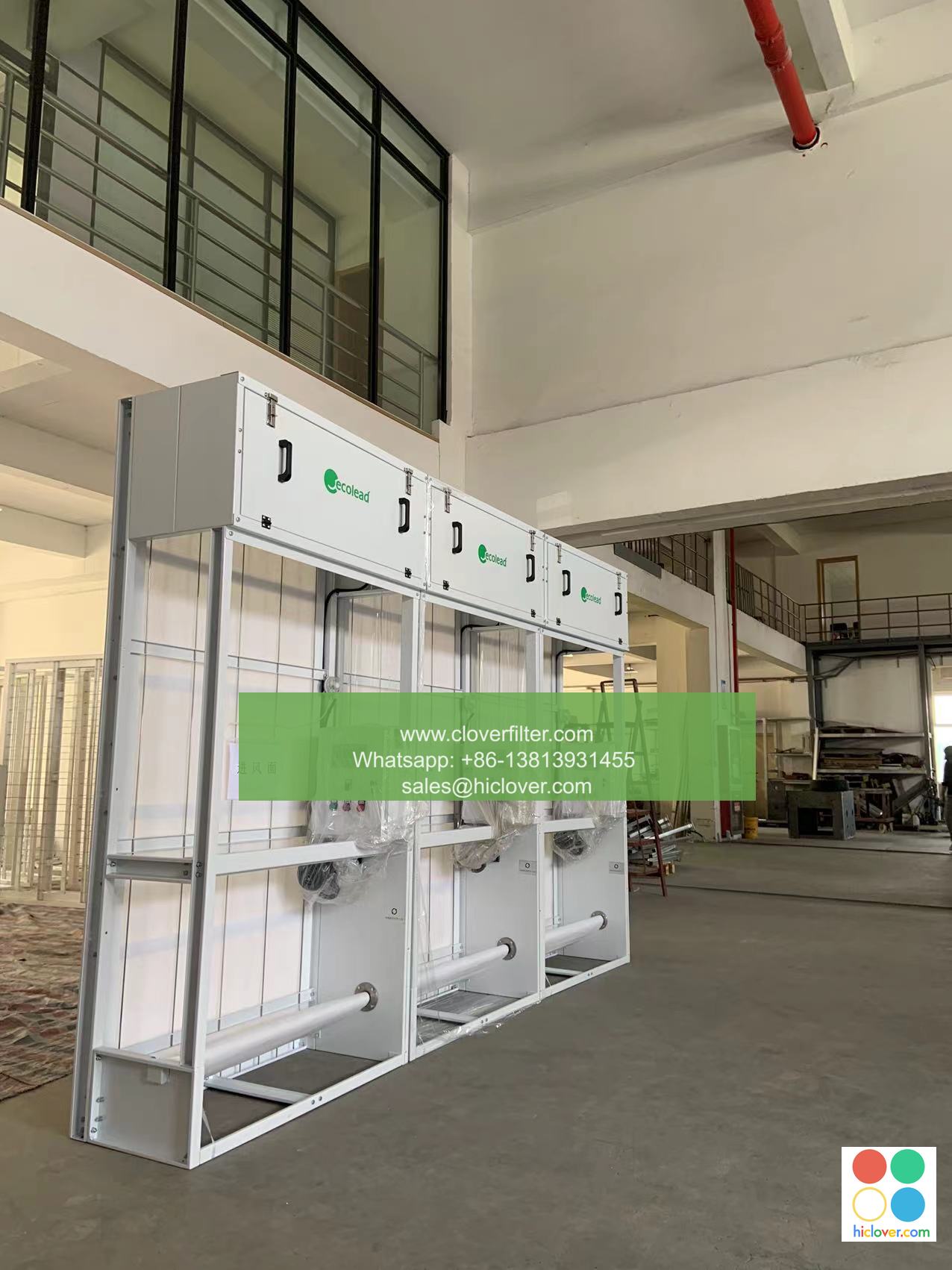
Kigali, the capital of Rwanda, is rapidly emerging as a hub for textile manufacturing in East Africa. As the demand for high-quality textiles increases, so does the need for efficient production processes. One pivotal innovation that can significantly enhance production efficiency is the adoption of industrial roll air filters. These filters play a crucial role in ensuring clean and breathable air, ultimately leading to improved operational efficiency and product quality.
The Importance of Clean Air in Textile Manufacturing

Textile manufacturing involves various processes including spinning, dyeing, and finishing, all of which can generate a significant amount of airborne pollutants. Clean air is essential in this sector for several reasons:
- Health Benefits: Reducing exposure to harmful particulates improves worker health and safety.
- Quality Control: Cleaner air reduces the risk of contamination in sensitive processes such as dyeing and finishing.
- Machine Longevity: Preventing particles from entering machinery can reduce wear and tear, prolonging equipment life.
How Industrial Roll Air Filters Work
Industrial roll air filters are designed to filter out dust, lint, and other particulates from the air circulating within manufacturing facilities. These filters come in large rolls, making them easy to install, replace, and customize according to specific operational needs. The implementation of these filters can dramatically transform the air quality in manufacturing units.
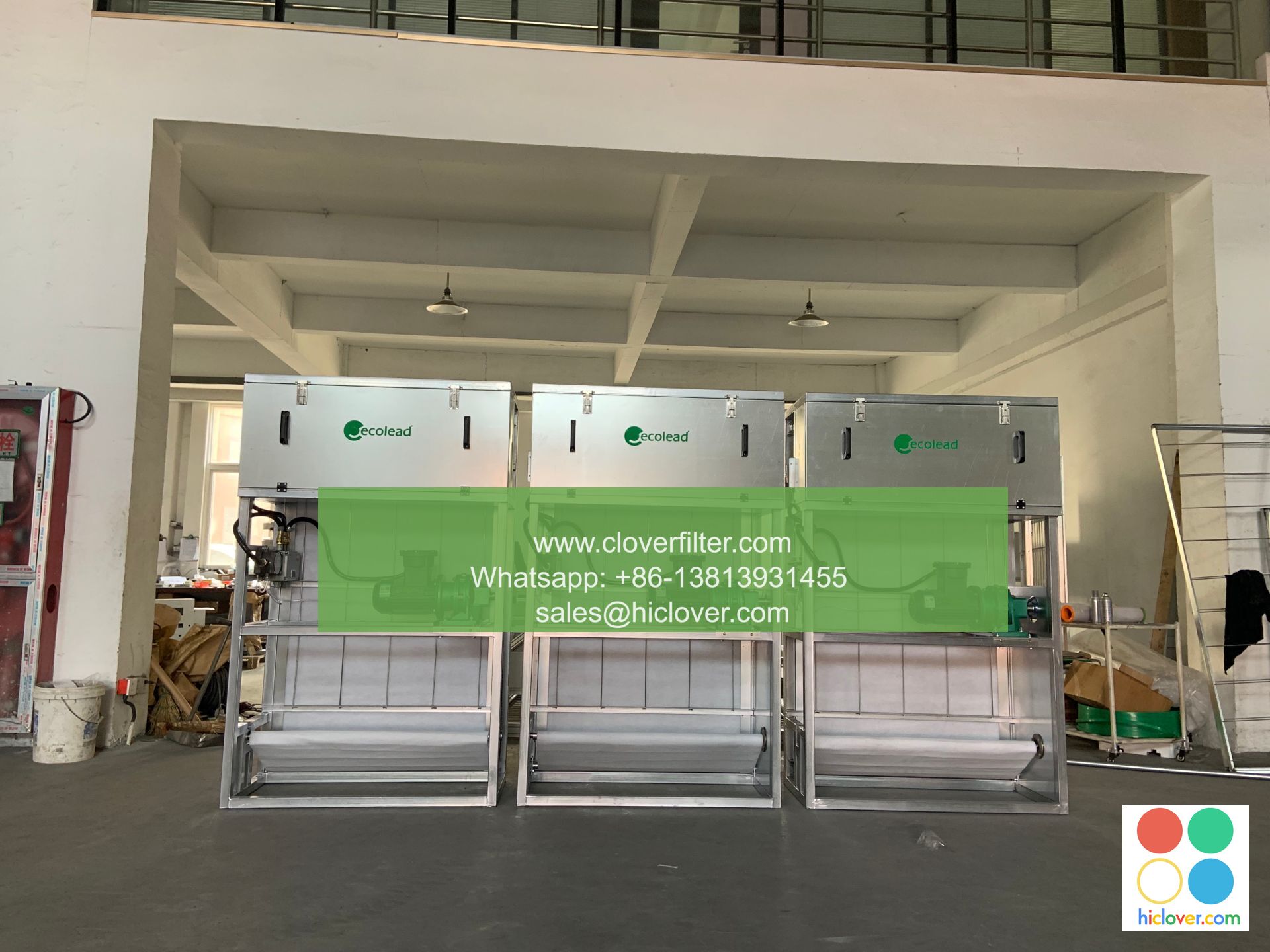
Key Components of Industrial Roll Air Filters
- HEPA Filtration: High-Efficiency Particulate Air (HEPA) filters can trap 99.97% of particles that are 0.3 microns or larger, ensuring optimal air purity.
- Electrostatic Precipitators: These devices use electric charges to attract and capture airborne particulates more effectively.
- Activated Carbon: Some filters include activated carbon layers that absorb odors and volatile organic compounds (VOCs).
Application Areas of Air Filters in Kigali’s Textile Industry
The benefits of industrial roll air filters extend across various application areas within Kigali’s textile industry:
1. Spinning and Weaving
In the spinning and weaving processes, airborne fibers can lead to contamination in the final product. Roll air filters help maintain a controlled environment that minimizes fiber shedding, leading to higher-quality textile products.
2. Dyeing and Finishing
The dyeing process often involves chemicals that can emit harmful fumes. Industrial roll air filters significantly reduce these emissions, enhancing both product quality and employee safety.
3. Fabric Printing
Fabric printing can generate a significant amount of particulate matter. Using air filters in this area ensures clean air for both operational efficiency and quality assurance.
4. Production Line Maintenance
A cleaner work environment decreases the need for frequent machinery maintenance, allowing for more efficient operations throughout the production line.
Environmental Impact and Sustainability
As Kigali’s textile sector embraces sustainability, industrial roll air filters contribute positively by reducing air pollution and waste. Cleaner operations not only comply with environmental regulations but also enhance the reputation of manufacturers committed to sustainable practices.
Conclusion
In conclusion, the integration of industrial roll air filters in Kigali’s textile industry is a game-changer. By improving air quality, enhancing worker safety, and ensuring product integrity, these filters contribute to more efficient manufacturing processes. As the sector continues to grow, investing in advanced filtration technology will be crucial for maintaining competitiveness and addressing environmental sustainability.
Sure! Could you please provide more details about what you’re looking for in your prompt? Are you seeking a writing prompt, an idea for a project, or something else? Let me know how I can assist you!
