How Nominal Size Affects Material Selection in Architecture
- Understanding the distinction between nominal size vs actual size is crucial for effective material selection.
- Automatic Roll Air Filters offer advanced air filtration solutions for various industrial applications.
- Choosing the right filtration system can significantly reduce maintenance costs and improve energy efficiency.
- Compliance with standards such as ISO 16890 ensures enhanced particulate control.
- Knowledge of air volume and face velocity will facilitate optimal filter selection.
- Real-world scenarios can guide procurement managers in selecting the best filtering media.
- Common mistakes can be easily avoided with informed decision-making.
-
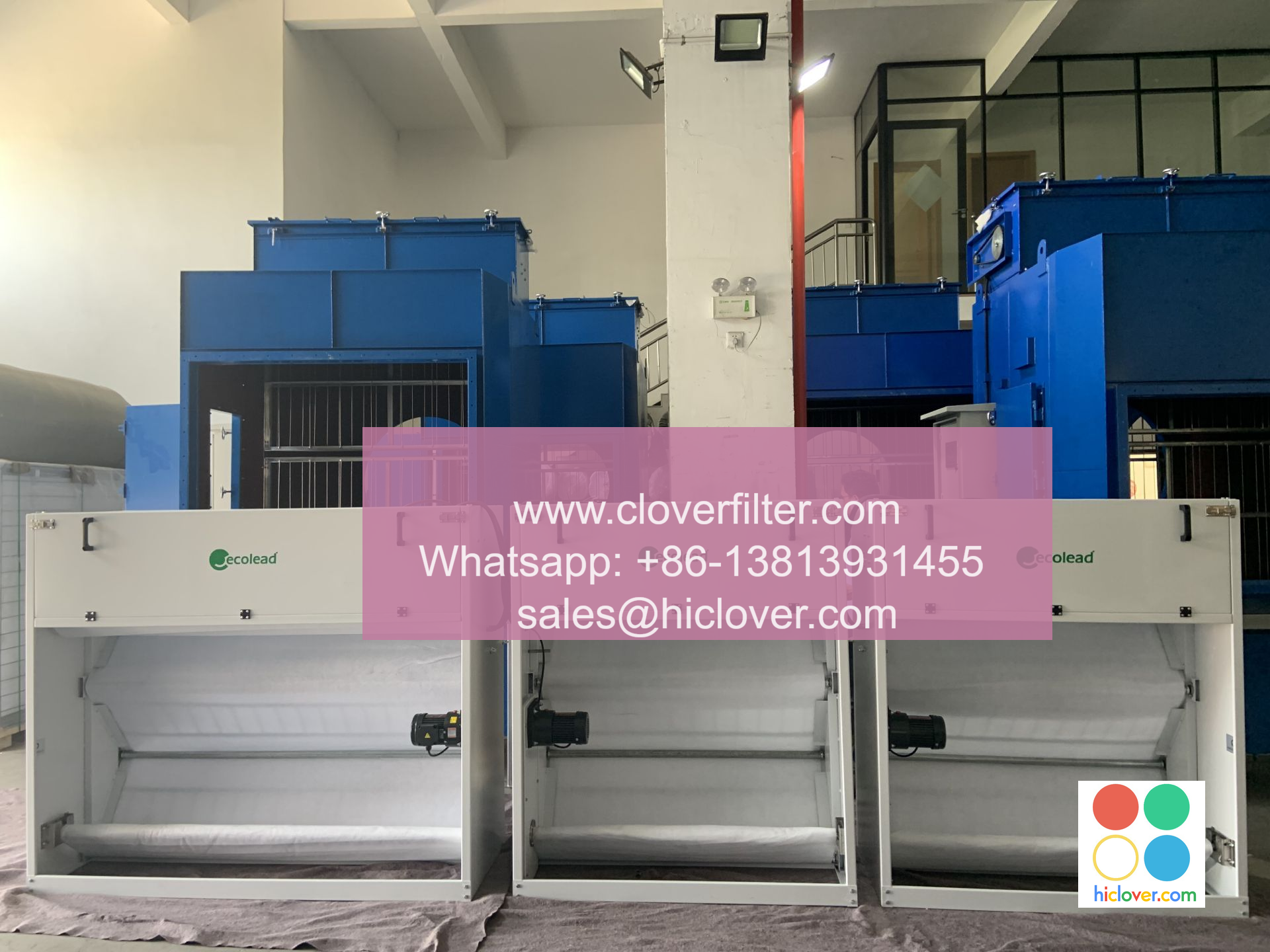
Roll Media Advance Logic: As the filter collects particulates, its pressure drop increases, indicating that the media is getting dirty.
-
Differential Pressure Trigger: Once the pressure surpasses a pre-set threshold, the filter system activates the roll mechanism to present a fresh section of media for air passage.
-
Timer Mode: Users can set the system to operate on a timer, allowing for regular media changes independent of real-time air quality measurements, thus maintaining ideal airflow.
- Airflow Range: Determine the volume of air that needs filtration. The range will dictate the necessary specifications of the roll filter.
- Face Velocity: Establish the speed at which air passes through the filter; this helps in optimizing filter performance and efficiency.
- Media Width/Length: Choose media sizes that fit the specific application and available installation space.
- Frame Size: Ensure the filter frame dimensions match the HVAC system’s specifications for seamless installation.
- Control Options: Look for automatic controls for monitoring differential pressure and maintaining efficiency.
- Power Supply: Verify that the electrical requirements of the filter are compatible with your facility’s systems.
- Installation Location: Consider whether the filter will be used for fresh air intake, return air, or process applications.
- Failing to account for nominal size vs actual size differences can lead to improper filter selection.
- Choosing a filter without understanding airflow requirements may result in inefficiencies.
- Overlooking maintenance schedules can lead to increased energy costs and filter damage.
- Not considering operational conditions, such as humidity and temperature, can affect filter performance.
- Selecting filters based solely on price rather than performance can lead to higher long-term costs.
- Ignoring the implications of differential pressure measurements can hinder air quality management.
- Not assessing the full lifecycle cost of filter media can misguide budget allocation.
-
Data Center: An Automatic Roll Air Filter was implemented to improve airflow and reduce energy consumption. The facility noticed a significant drop in operational costs and enhanced equipment lifespan.
-
Battery Factory: The filter system’s efficient particle capture capabilities minimized dust contamination, leading to better product quality and reduced maintenance on machinery.
-
Paint Shop: With robust filtration in place, the Automatic Roll Air Filter enhanced air quality, ensuring compliance with safety standards while reducing VOC emissions.
-
Textile/Steel/Cement Plant: The system effectively managed particulate matter, contributing to cleaner work environments and meeting industry compliance, significantly improving worker safety.
- Understanding the differences between nominal size vs actual size is crucial for effective filter selection.
- Choosing the right filtration system can lead to maintenance reduction and energy savings.
- Compliance with industry standards may enhance air quality and safety.
- Utilizing automatic roll air filters can streamline operations across various industrial applications.

Introduction to Nominal Size vs Actual Size
In the realm of industrial air filtration, understanding the difference between nominal size vs actual size is essential for procurement managers, HVAC engineers, and facility managers alike. The nominal size refers to the designated dimensions of filter media, while the actual size may vary due to manufacturing processes, environmental factors, and operational conditions. This understanding influences material selection, impacting everything from air quality control to energy efficiency in HVAC systems.

What is an Automatic Roll Air Filter?
An Automatic Roll Air Filter is an innovative filtration system designed to streamline air purification in various industrial settings. This type of filter utilizes a roll media that advances automatically when a differential pressure trigger indicates it’s time for a replacement. The system can also be programmed to operate in timer mode, ensuring consistent performance even when demand fluctuates.
This technology is perfectly suited for HVAC systems, particularly in environments such as data centers, cleanrooms, and lithium battery plants. By incorporating an Automatic Roll Air Filter, facility managers can ensure cleaner air intake while maintaining optimal energy use.
How Does It Work?
The Automatic Roll Air Filter operates through a simple yet effective mechanism. Here’s how it functions:
Practical Selection Guide
Key Parameters for Selection
When selecting an Automatic Roll Air Filter, consider the following parameters:
Comparison Table: Automatic Roll Air Filter vs Other Filters
| Filter Type | Best Use Case | Maintenance | Pressure Drop Behavior | Operating Cost | Typical Risk/Downside |
|---|---|---|---|---|---|
| Automatic Roll Air Filter | Industrial environments | Low (roll media) | Consistent | Moderate | Initial setup cost may be higher |
| Bag Filter | Commercial settings | Moderate | Moderate | Moderate | Bag tearing can reduce performance |
| Panel Filter | Residential use | High | High | Low | Frequent changes needed |
| V-bank | High airflow applications | Moderate | Variable | High | Space-consuming installation |
Common Mistakes & How to Avoid Them
Real-World Scenarios
FAQ Section
Q1: What is the difference between nominal size vs actual size in air filters?
A1: The nominal size is the designated filter dimensions, while actual size may vary, impacting fit and performance.
Q2: How often should I replace my Automatic Roll Air Filter?
A2: Replacement frequency depends on airflow and particulate load, but the system’s differential pressure indicator can help determine when it needs changing.
Q3: Are Automatic Roll Air Filters energy-efficient?
A3: Yes, they can optimize energy savings by maintaining efficient airflow and reducing pressure drops.
Q4: Can Automatic Roll Air Filters meet ISO 16890 standards?
A4: While exact certifications are available on request, these filters frequently align with industry frameworks for optimal air quality.
Q5: What is the best application for an Automatic Roll Air Filter?
A5: They are best suited for environments where continuous operation and low maintenance are essential, like data centers and manufacturing facilities.
Q6: What control options are available for these filters?
A6: They offer several control options, including automatic monitoring of differential pressure and timer settings for predetermined operation cycles.
Key Takeaways
Meta Description: Discover how nominal size vs actual size impacts material selection and air filtration choices in industrial settings. Explore CloverFilter’s Automated Roll Air Filters.
For more information on air filtration solutions and how CloverFilter can serve your needs, please visit CloverFilter.
It seems like your message may have been cut off. Could you please provide more details or clarify what you need? Whether it’s a writing prompt, a specific question, or something else, I’m here to help!
