How Often Should I Change My Air Filter? Top FAQs Explained

Key Takeaways
- Automatic Roll Air Filters optimize airflow and reduce maintenance.
- Replacement frequency varies based on environment and usage.
- Understanding differential pressure helps in effective air filter management.
- Common mistakes can lead to inefficient filtration and higher costs.
- Real-world scenarios illustrate the benefits of using Automatic Roll Air Filters.
- Airflow Range: Determine the cubic feet per minute (CFM) your system requires.
- Face Velocity: Ensure it aligns with the requirements of your facility for maintaining proper air movement.
- Media Width/Length: Customize fit for your specific installation.
- Frame Size: Confirm compatibility with your HVAC systems.
- Control Options: Evaluate if you require manual or automated controls.
- Power Supply: Ensure it fits with available electrical standards.
- Installation Location: Decide if it will be for fresh air intake, return air, or process air filtration.
- General Recommendation: Change filters every 3 months in standard commercial applications.
- High-Demand Settings: In places like data centers or heavy manufacturing facilities, monthly changes may be necessary.
- Seasonal Adjustments: Increase frequency during pollen seasons or when particulate activities peak.
- Monitoring Differential Pressure: Use pressure drop indicators to assess when a filter is due for a change and avoid over-filtering, which may impede airflow.
- Neglecting Schedule: Don’t wait too long to replace filters; set reminders based on real-world usage data.
- Improper Sizing: Ensure filters match system specifications to prevent airflow issues.
- Using Lowest Bids: While cost is important, low-quality filters can lead to costly operational issues.
- Skipping Differential Pressure Monitoring: Always keep an eye on pressure differences to enhance efficiency.
- Failing to Clean the Environment: Keep HVAC spaces clean to prolong filter life.
- Ignoring Air Quality Standards: Familiarize yourself with ISO 16890 and MERV ratings to ensure clean air supply.
- Overlooking Installation Practices: Consult with professionals to ensure the filter is installed correctly.
-
Data Center: An Automatic Roll Air Filter effectively maintained air quality, reducing server overheating while allowing for consistent airflow across high-performance computing environments.
-
Battery Factory: Utilizing these filters helped control particulate matter, maintaining a safe atmosphere and meeting industry standards, which improved compliance tracking.
-
Paint Shop: By implementing Automatic Roll Air Filters, the controlled environment enhanced paint application quality, significantly reducing overspray and resulting in less waste.
-
Textile/Cement Plant: The facility experienced decreased maintenance costs with the continuous roll filter system, supporting heavy particulates without suffering from airflow restrictions.
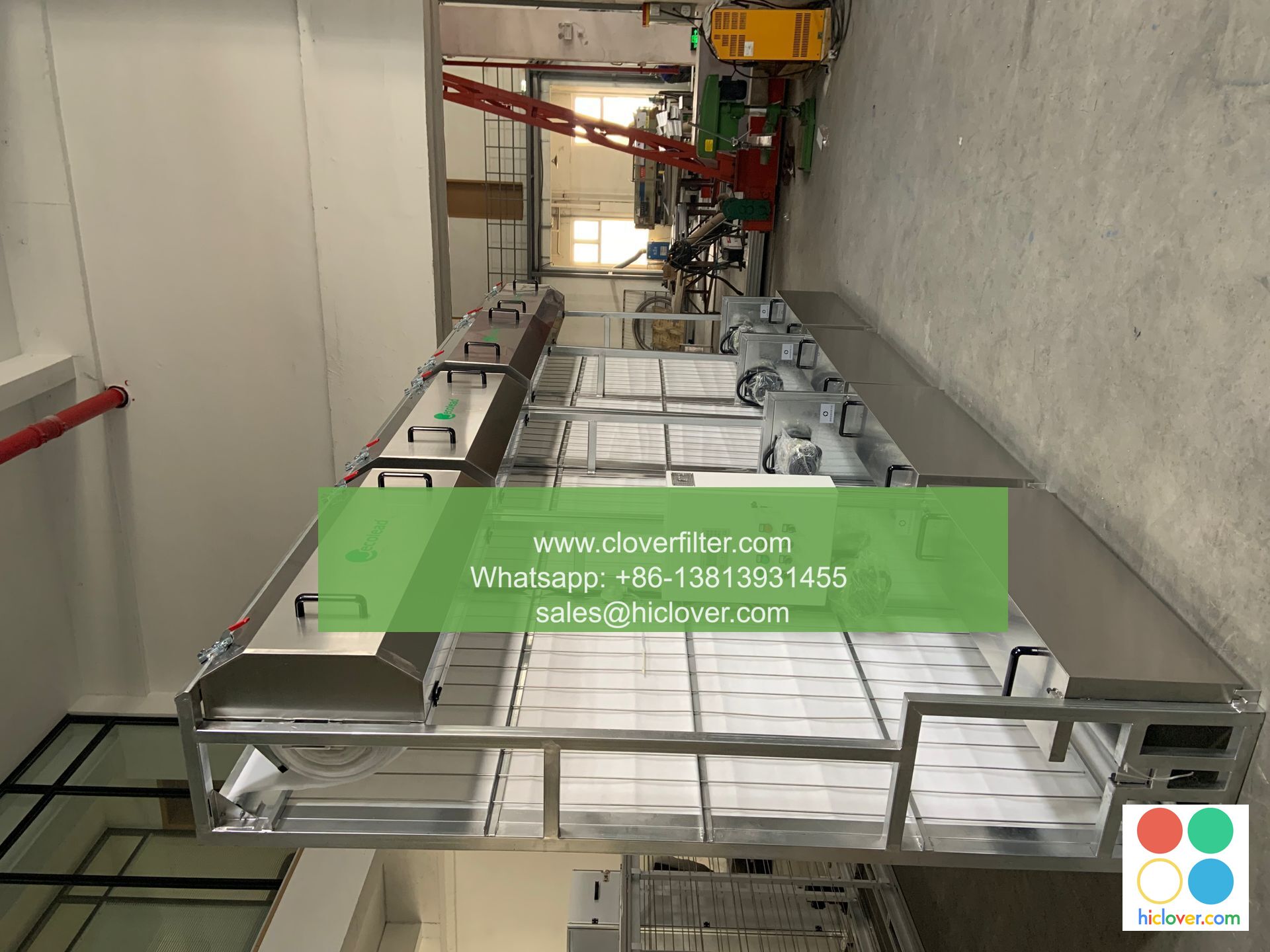
Introduction to Automatic Roll Air Filters
Air filter FAQs often lead to a common question: how frequently should you change your air filter? The answer can vary significantly based on application, type of filter, and environmental conditions. Automatic Roll Air Filters offer an innovative solution, enhancing operational efficiency in a wide range of industrial settings, including factories, cleanrooms, and hospitals.
An Automatic Roll Air Filter features roll media that advances automatically when the differential pressure reaches a preset threshold. This self-advancing mechanism, often coupled with a timer mode, ensures that the air filter is changed before it becomes overwhelmed, guaranteeing that clean air is consistently delivered. This is particularly crucial for HVAC (Heating, Ventilation, and Air Conditioning) systems where air quality impacts both equipment longevity and health.

Selecting the Right Filter
When choosing an Automatic Roll Air Filter, consider the following parameters for optimal performance:
How Often to Change an Air Filter?
The frequency of changing an air filter differs based on usage and environmental conditions:
Air Filter FAQs
Q1: What is the lifespan of an Automatic Roll Air Filter?
A1: Typically, between 3 to 12 months, depending on environmental factors.
Q2: Can I use a roll filter in different applications?
A2: Yes, Automatic Roll Air Filters are versatile and suitable for various HVAC setups.
Q3: How do I monitor the condition of my air filter?
A3: Use differential pressure gauges to track filter performance and airflow restrictions.
Q4: What is the energy impact of a clogged filter?
A4: A clogged filter can reduce system efficiency and increase energy consumption significantly.
Q5: Are Automatic Roll Air Filters compliant with industry standards?
A5: They can meet standards like ISO 16890; certification can be requested.
Q6: What preventative maintenance should I perform?
A6: Regularly check and document filter conditions, monitor pressure drops, and inspect installation sites for optimal air quality.
Comparison of Air Filters
| Filter Type | Best Use Case | Maintenance | Pressure Drop Behavior | Operating Cost | Typical Risk/Downside |
|---|---|---|---|---|---|
| Automatic Roll Air Filter | Industrial, cleanrooms | Low—self-advancing | Stable, minimal rises | Moderate—energy efficient | Initial higher investment |
| Bag Filter | Heavy particulate loads | Moderate—occasional changing | Higher drops possible. | Lower due to cheap materials | Can clog quickly |
| Panel Filter | Residential & light use | High—frequent replacement | Will increase significantly | Lower, but high replacement costs | Inefficient for larger applications |
| V-bank Filter | General use | Low | Moderate | Moderate | Can be bulky |
Common Mistakes & How to Avoid Them
Real-World Scenarios
In conclusion, managing your HVAC system’s air filtration is crucial for operational efficiency, health, and safety. For a solution that minimizes downtime and enhances air quality, consider exploring the Automatic Roll Air Filter system from CloverFilter.
For more guidance on finding the right air filtration solutions or to discuss your specific requirements, reach out to CloverFilter at CloverFilter Contact.
Meta Description: Discover how often to change air filters with common FAQs. Learn about Automatic Roll Air Filters and optimize air quality in your facility.
Of course! Please provide details or specify what kind of prompt you’re looking for. Are you interested in writing, art, conversation, or something else?
