How Often Should You Replace Your Air Filters?
Key Takeaways:
- Regular replacement of air filters is critical for maintaining optimal air quality.
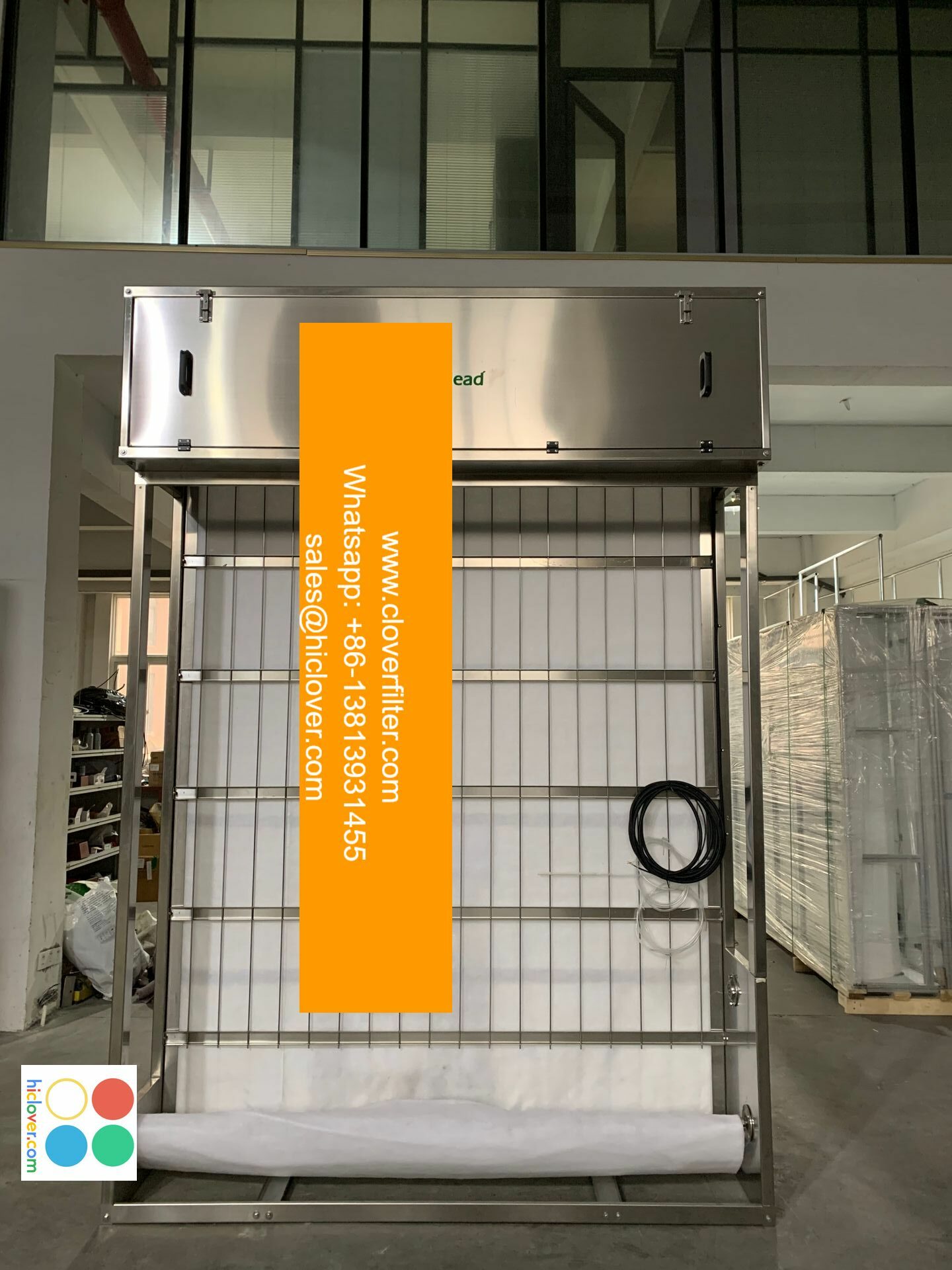
- Automatic Roll Air Filters are advantageous for their ongoing self-cleaning features.
- Filtration needs vary based on application and environmental conditions.
- Understanding airflow and face velocity is essential for filter selection.
- Compliance with air quality standards ensures operational efficiency.
- Maintenance reduction and energy saving are critical benefits of high-quality air filters.
- Airflow Range: Ensure the filter matches the required airflow capacity of your system.
- Face Velocity: Determine the optimal face velocity which corresponds to the filtering efficiency and pressure drop.
- Media Width/Length: Adapt the media dimensions according to filter housing specifications.
- Frame Size: Ensure compatibility with existing HVAC units.
- Control Options: Choose between manual and automatic modes based on operational needs.
- Power Supply: Verify that the electrical requirements align with facility standards.
- Installation Location: Set up the filter appropriately at either fresh air intakes, return ducts, or specific process areas.
- Ignoring Differential Pressure Levels: Regularly check pressure gauges; don’t rely solely on time-based replacements.
- Choosing the Wrong Filter Size: Always confirm dimensions before purchasing to prevent airflow issues.
- Overlooking Air Quality Standards: Familiarize yourself with compliance standards relevant to your industry.
- Neglecting Control Options: Make sure the filtration system is compatible with available building management systems.
- Forgetting About Humidity: Factors like humidity can affect filter performance; choose filters designed for the expected conditions.
- Delaying Maintenance Checks: Develop a maintenance schedule and adhere to it strictly.
- Misunderstanding Airflow Needs: Assess the airflow requirements specific to your application carefully.
- Not Vetting Suppliers: Use trusted air filter supplies sources like CloverFilter for quality assurance.
- Assuming All Filters Are Equal: Different filters have unique efficiencies; match the filter specs with requirements.
- Inadequate training for staff: Ensure staff are trained on proper filter management and replacement processes.
-
Data Center: A large tech company implemented CloverFilter’s Automatic Roll Air Filter in their HVAC system, resulting in a 30% reduction in energy costs and extending equipment life due to improved air quality.
-
Battery Factory: An industrial battery manufacturing facility replaced their traditional filters with the Automatic Roll Air Filter, effectively capturing harmful particulates while decreasing maintenance intervals by 40%.
-
Paint Shop: Implementing CloverFilter technology in a paint booth dramatically improved air quality, reducing VOC levels and ensuring compliance with environmental standards.
-
Textile/Steel/Cement Plants: These facilities benefit from the high dust load handling capabilities of the Automatic Roll Air Filter, leading to enhanced operational efficiency and compliance with air pollution standards.
Understanding Air Filter Supplies
In industrial settings, air quality plays a pivotal role in maintaining operational efficiency and worker safety. The right air filter supplies not only enhance air quality but also extend the lifespan of HVAC systems. This article delves into when and how to replace air filters, focusing specifically on the innovative capabilities of the Automatic Roll Air Filter by CloverFilter.
What is an Automatic Roll Air Filter?
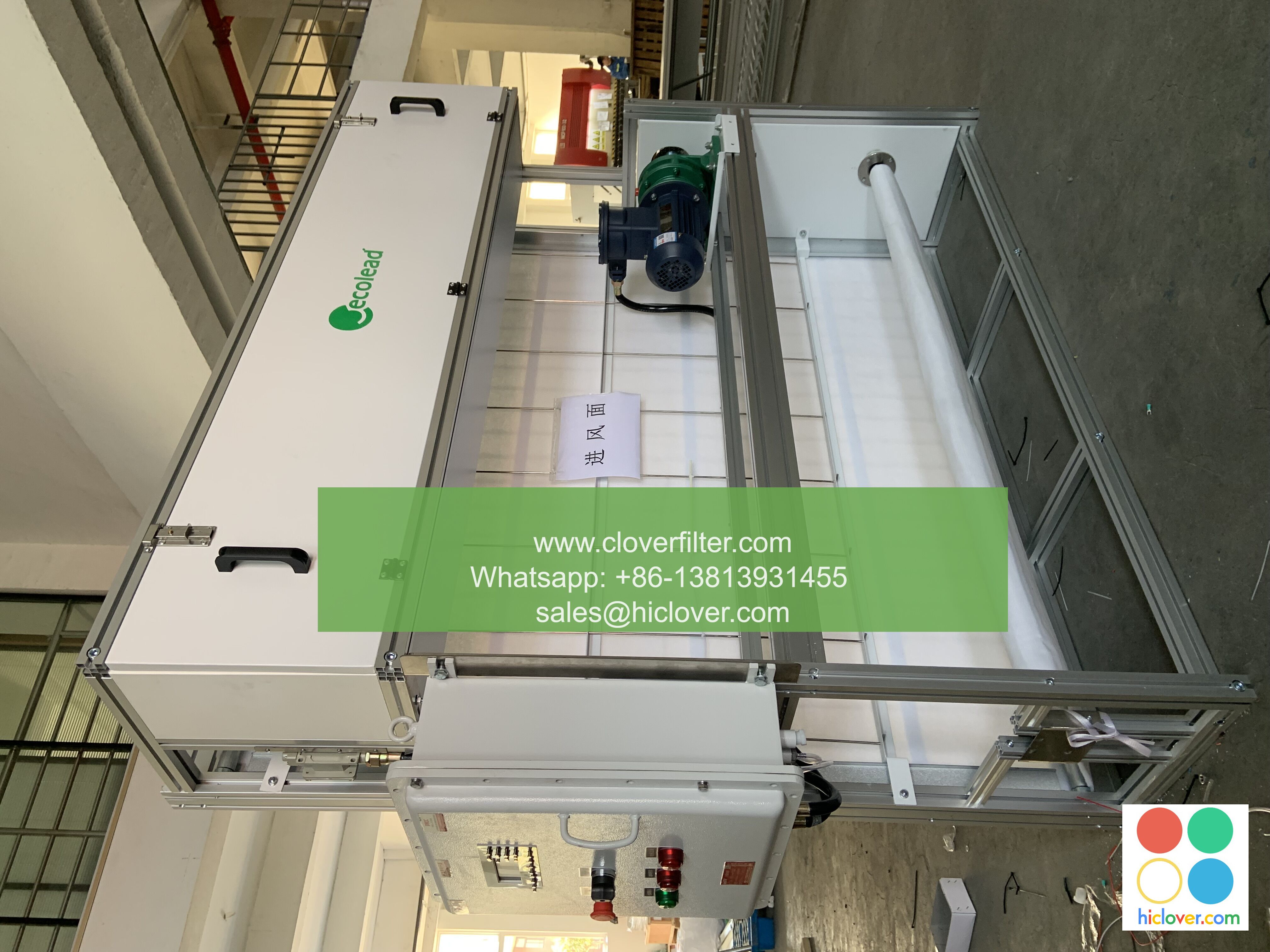
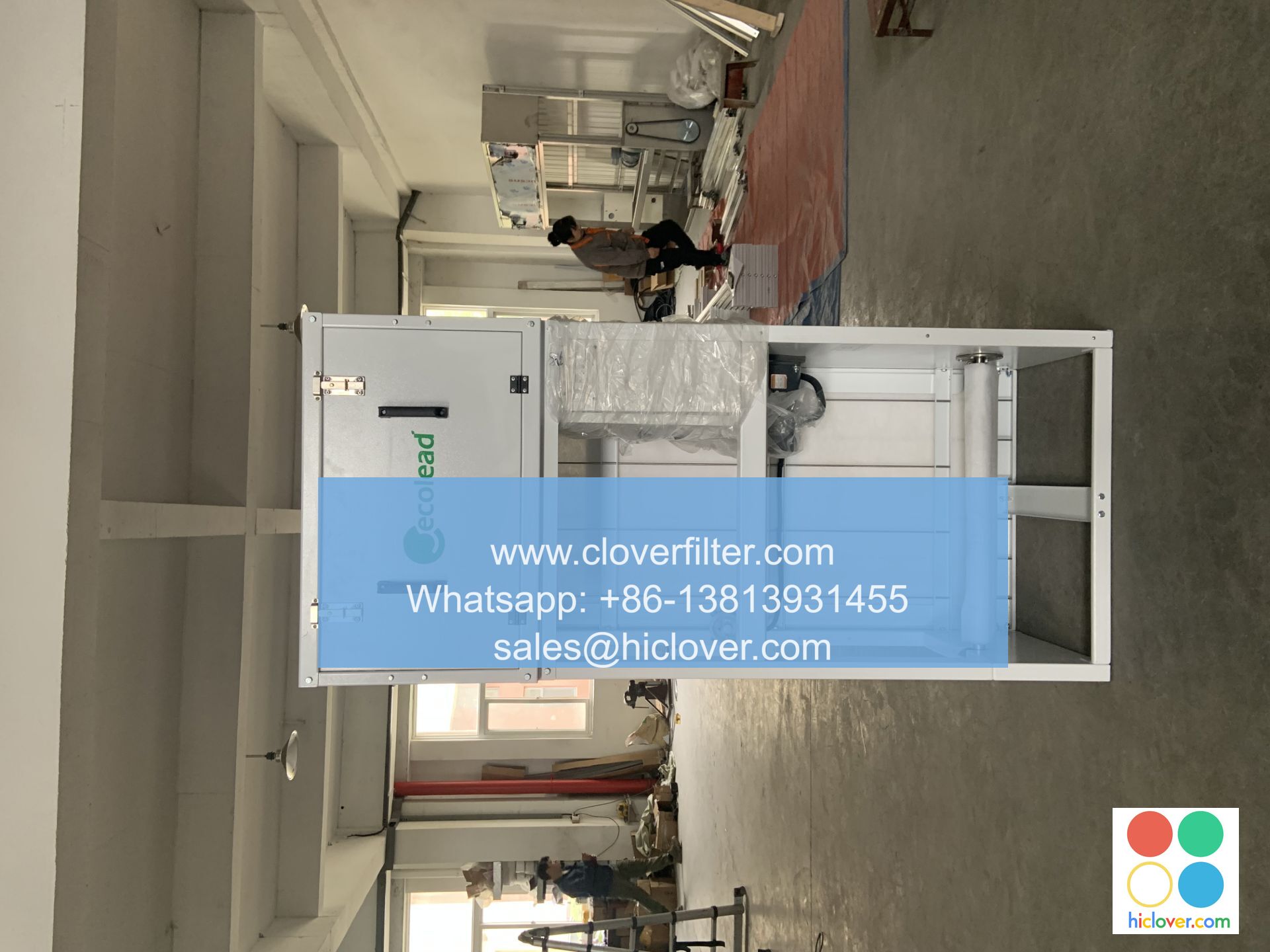
An Automatic Roll Air Filter is a state-of-the-art filtration solution designed for HVAC systems, particularly in environments with high air quality demands. It utilizes a roll media advance logic where filtration media is rolled onto a reel. As the filter accumulates particles, a differential pressure trigger activates the automatic advancement of clean media, ensuring that air quality is maintained without manual intervention.
Additionally, this filter can operate in timer mode, creating a self-maintaining cycle that reduces the need for frequent inspections, making it ideal for facilities like data centers, hospitals, and lithium battery plants.
Practical Selection Guide
When it comes to selecting the right air filter, several key parameters must be considered. The Automatic Roll Air Filter provides flexibility in installation and operation, making it suitable for various applications.
Comparing Filtration Options
| Filter Type | Best Use Case | Maintenance | Pressure Drop Behavior | Operating Cost | Typical Risk/Downside |
|---|---|---|---|---|---|
| Automatic Roll Air Filter | High-dust environments | Low | Controlled | Medium | Limited media types |
| Bag Filter | Heavy particulate loads | Medium | Steady | High | Bulkier design |
| Panel Filter | General use | High | Variable | Low | Frequent replacements |
| V-bank | Space-constrained areas | Low | Steady | Medium | Slower particle capture |
The Automatic Roll Air Filter stands out due to its minimal maintenance, effective pressure drop management, and overall cost efficiency compared to traditional bag or panel filters.
Common Mistakes & How to Avoid Them
Real-World Scenarios
FAQ
Q: How often should air filters be replaced?
A: Generally, every 3-4 months, but this can vary based on usage and environmental conditions.
Q: What influences the lifespan of an air filter?
A: Dust load, humidity, airflow rates, and the type of filter can all impact longevity.
Q: Can I replace filters myself?
A: Yes, but ensure proper training and follow manufacturer guidelines.
Q: What is MERV?
A: Minimum Efficiency Reporting Value (MERV) is a rating that measures filter efficiency.
Q: Do I need a contractor to install an Automatic Roll Air Filter?
A: While installation can be straightforward, professional help is advised for optimal performance.
Q: Are CloverFilter products certified?
A: Compliance with ISO and other standards is available on request; always verify specifics based on your application’s needs.
Conclusion
Regularly assessing and replacing air filters is essential to maintaining air quality and operational efficiency in industrial settings. The Automatic Roll Air Filter by CloverFilter not only simplifies this process but also enhances overall efficiency through its innovative features. For tailored filtration solutions and expert advice, visit CloverFilter today or reach out through our contact page.
Meta Description: Discover how often to replace air filters and learn about Automatic Roll Air Filters by CloverFilter for enhanced air quality and maintenance reduction.
It looks like you may have meant to provide a specific prompt for help or exploration. Could you please clarify or provide more details on what you’re looking for? Whether it’s a writing prompt, a question, or a topic to discuss, I’m here to help!
