How Often Should You Use Air Filter Tools? A Complete Guide
Key Takeaways
- Understanding air filter tools can enhance air quality and system efficiency.
- Automatic Roll Air Filters offer advanced features like roll media advance and differential pressure triggers.
- Proper selection of filters is essential for optimal system performance.
- Regular maintenance can lead to significant energy savings.
- Making informed choices can minimize operational risks and downtime.
-
Roll Media Advance Logic: The system features a roll of filter media that advances based on the specific air quality needs and predetermined differential pressure settings. This means that when the pressure differential reaches a set point, the filtering media is automatically fed forward.
-
Differential Pressure Trigger: This mechanism allows for efficient use of the filter media. Once the filter reaches its saturation point, the system triggers the roll media to advance, ensuring that only fresh, unblocked media is in use.
-
Timer Mode: Users can configure the system to advance based on set time intervals, further optimizing filter performance and maintenance routines.
- Airflow Range: Make sure the filter can handle the specific airflow requirements of your system.
- Face Velocity: This is crucial to ensure that the filter operates within its optimal range, preventing excessive pressure drops.
- Media Width/Length: Assess the size required to cover your air handling units adequately for efficient operation.
- Frame Size: Ensure the frame fits your existing system for easy installation and replacement.
- Control Options: Look for filters with advanced controls, such as differential pressure monitors and timer settings.
- Power Supply: Ensure compatibility with your existing infrastructure.
- Installation Location: Determine whether the filter will be used for fresh air intake, return air, or within process equipment.
- Selecting the Wrong Filter Type: Understand the specific particulate control needs of your environment.
- Neglecting Differential Pressure Monitoring: Regularly check the pressure readings to avoid system failures.
- Ignoring Compatibility: Verify that the filter will fit your existing HVAC equipment.
- Forgetting Maintenance Protocols: Schedule regular maintenance checks to ensure optimal efficiency.
- Overlooking Air Quality Needs: Analyze the specific air quality requirements in your facility.
- Disregarding Energy Consumption: Choose filters that help in energy saving without compromising air quality.
- Not Documenting Filter Changes: Keep records of filter changes to monitor performance trends over time.
- Investing in Incompatible Technology: Ensure your automation technology and filters are compatible.
- Assuming Standard Sizes Fit: Custom sizing may be necessary based on your specific application.
- Overlooking Manufacturer Guidelines: Review and follow the user manual for specific installation and maintenance instructions.
-
Data Center: In a data center, maintaining optimal air quality is crucial for system performance. The Automatic Roll Air Filter has been implemented to provide stable airflow, ensuring that temperature-sensitive equipment remains cool while filtering out particulate matter, thus reducing downtime.
-
Battery Factory: The Automatic Roll Air Filter ensures that no contaminants interfere with the delicate processes involved in lithium battery manufacturing, providing a cleanroom environment that is critical for quality assurance.
-
Paint Shop: In paint booths, overspray and chemical fumes are a significant concern. The Automatic Roll Air Filter captures airborne particles efficiently while minimizing pressure drops, allowing for a well-ventilated and operational effective workspace.
-
Textile/Steel/Cement Plant: These facilities often face challenges due to the high levels of dust and particles. The Automatic Roll Air Filter’s ability to manage high levels of airflow while maintaining a reduced pressure drop makes it an ideal choice for maintaining compliance with industry standards while optimizing efficiency.

Introduction to Air Filter Tools
Air filter tools are essential components in various industrial applications such as HVAC systems in factories, data centers, and hospitals. They work by trapping airborne pollutants and ensuring that the air circulating within a facility is clean and safe. Among the range of options available, the Automatic Roll Air Filter stands out for its innovative design and efficiency. Designed to minimize maintenance while ensuring optimal air quality, these air filter tools utilize a roll media that advances automatically based on differential pressure triggers, thus proactively managing air filtration without constant manual intervention.
What is an Automatic Roll Air Filter?

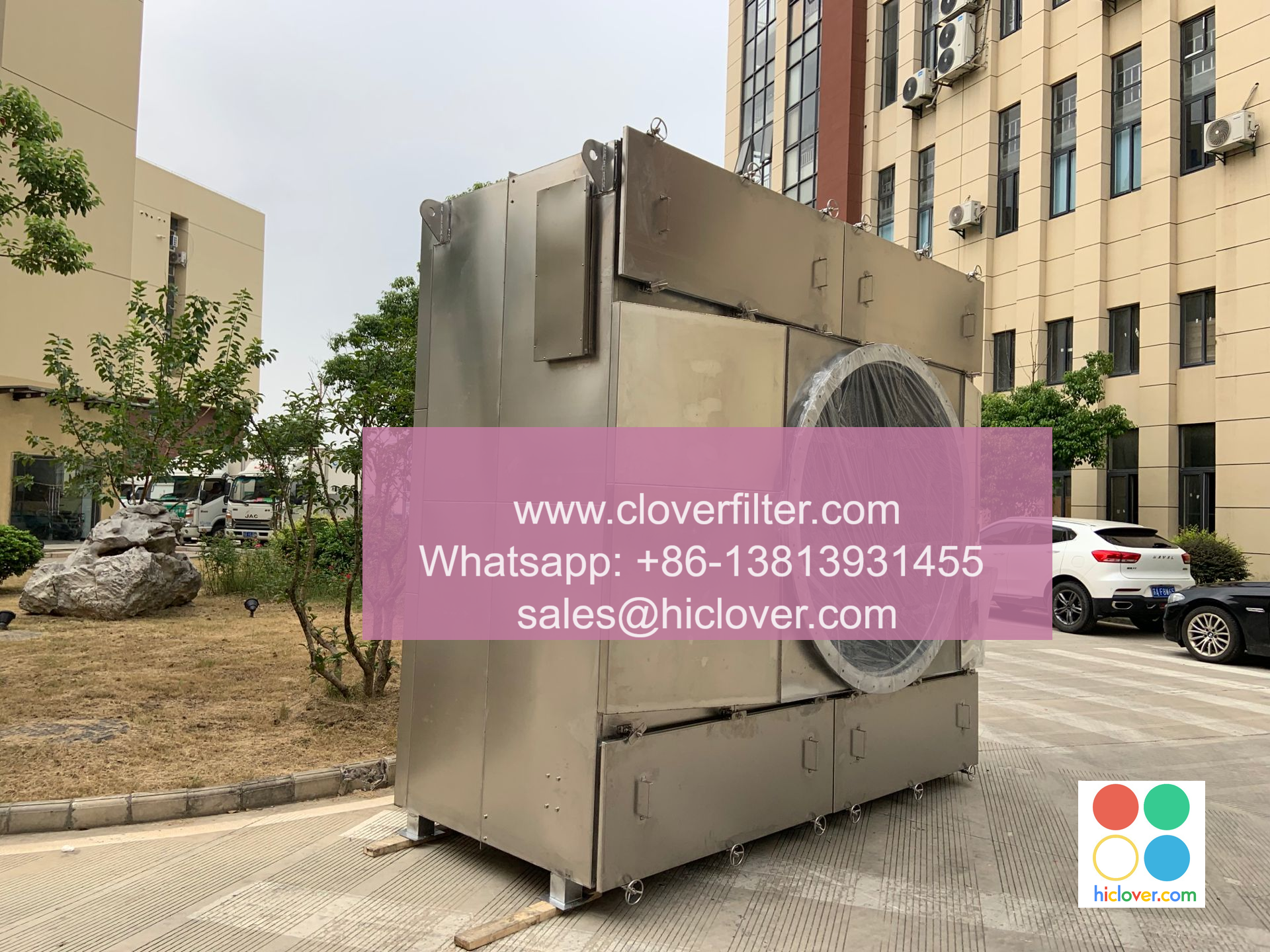
An Automatic Roll Air Filter is an advanced filtration solution that utilizes a retractable roll media for continuous air filtration. Here’s how it works:
The Automatic Roll Air Filter fits seamlessly within HVAC and Air Handling Unit (AHU) systems, providing essential pre-filtration and fresh air intake capabilities while minimizing operational disruptions.
Practical Selection Guide for Air Filter Tools
When selecting the appropriate air filter tools for your industrial application, consider the following parameters:
Comparison of Filter Types
| Filter Type | Best Use Case | Maintenance | Pressure Drop Behavior | Operating Cost | Typical Risk/Downside |
|---|---|---|---|---|---|
| Automatic Roll Filter | High-traffic applications | Low | Consistent | Medium | Initial cost may be higher |
| Bag Filter | Heavy particulate loads | Medium | Moderate | Low to Moderate | Requires regular bag changes |
| Panel Filter | Light-duty applications | High | High | Low | Frequent replacements needed |
| V-bank Filter | Large volume airflow | Medium | Moderate | Medium | Potential for bypass without regular checks |
Common Mistakes & How to Avoid Them
Real-World Scenarios with Automatic Roll Air Filters
FAQ Section
Q1: How often should I replace my air filter tools?
A1: It depends on the usage and the environment. Generally, for Automatic Roll Air Filters, you can expect to change media every 4 to 6 months.
Q2: Can I automate my air filter maintenance?
A2: Yes, systems with differential pressure triggers and timer-based operations significantly reduce the need for manual checks.
Q3: What are the signs that my air filter needs replacing?
A3: Increased pressure drop, reduced airflow, and noticeable airflow disruptions are signs that maintenance is due.
Q4: Are Automatic Roll Air Filters cost-effective?
A4: Yes, due to lower maintenance intervals and reduced energy consumption, they provide a long-term cost benefit.
Q5: How do I ensure compliance with air quality standards?
A5: Regularly monitor filter performance and choose filters aligned with recognized standards such as ISO 16890.
Q6: Can air filter tools impact energy efficiency?
A6: Absolutely, using efficient air filter tools can lower energy consumption and operating costs significantly due to optimized airflow performance.
Conclusion
In conclusion, understanding how to effectively use and select air filter tools, particularly the Automatic Roll Air Filter, can greatly enhance air quality and energy savings in various industrial applications. CloverFilter has the expertise to guide you in choosing the right solutions for your specific needs. For more information or to consult on your air filtration options, visit CloverFilter or reach out via our contact page.
Meta Description: Discover how often to use air filter tools, including the benefits of Automatic Roll Air Filters. Learn about selection, maintenance, and real-world applications.
Sure! What would you like to prompt me about? You can ask for a specific topic, question, or any kind of creative writing task. Just let me know!
