How Roll Air Filtration Improves Worker Safety in Livestock Plants
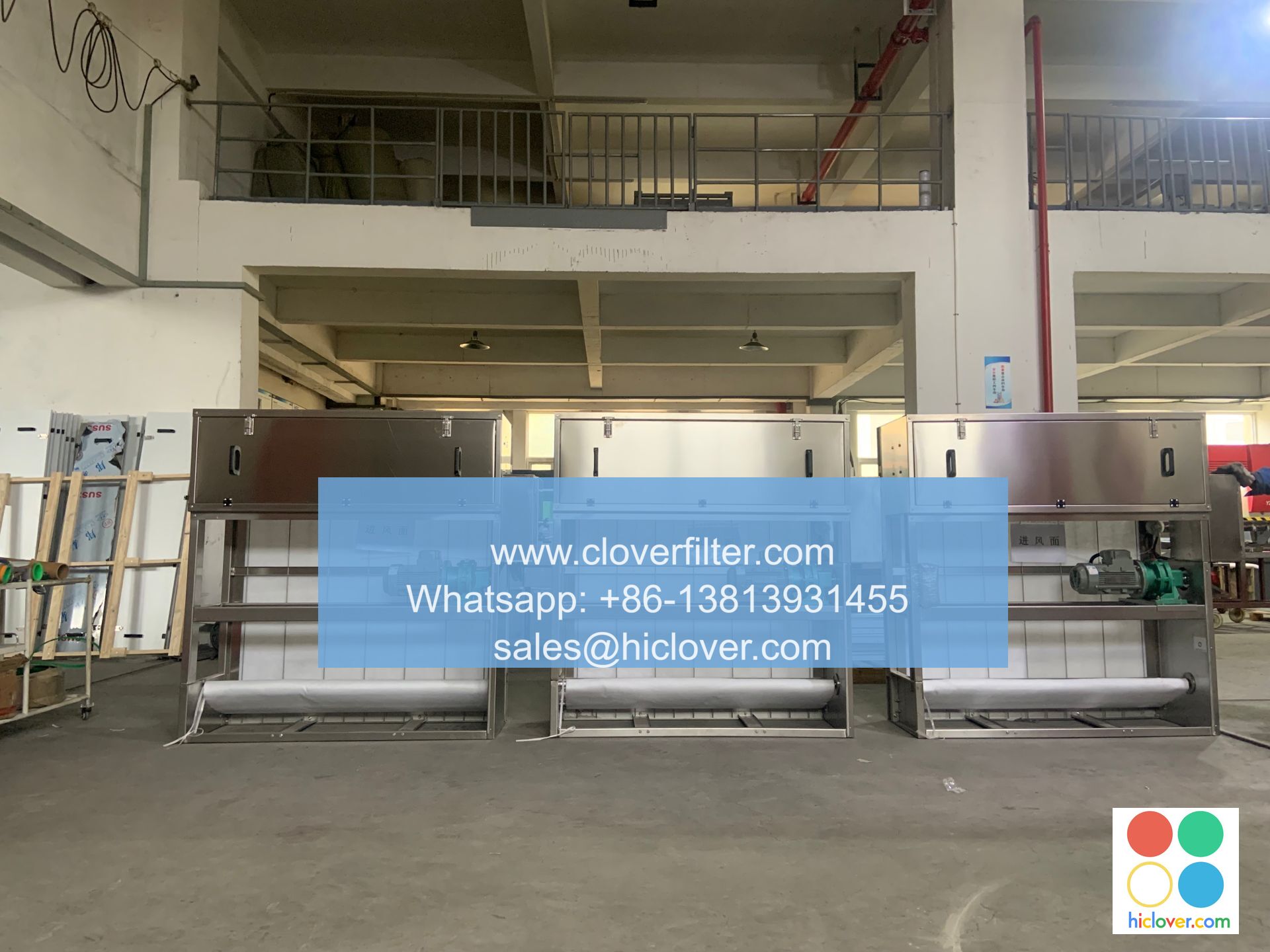
In the modern world of agriculture, especially in livestock processing plants, worker safety is paramount. With increasing concerns about air quality and potential health hazards, implementing effective air filtration systems is essential. One of the innovative solutions gaining traction is roll air filtration technology. This article explores how this technology plays a crucial role in enhancing safety and health for workers in livestock plants.
The Importance of Air Quality in Livestock Processing

Livestock processing plants are unique environments that require stringent safety measures. The air in these facilities can become contaminated with particulate matter, bioaerosols, and organic gases resulting from the processing of animals. Such contaminants pose serious health risks to workers, including respiratory issues and prolonged illnesses. Therefore, fostering a clean air environment is critical.
What is Roll Air Filtration?
Roll air filtration is a state-of-the-art approach to air purification that uses large filter rolls to continuously clean and purify the air circulating within a facility. This system is designed to combat airborne pollutants efficiently and is especially beneficial in high-density environments like livestock processing. The filters can trap dust, allergens, bacteria, and even viruses, significantly improving workplace air quality.
Benefits of Roll Air Filtration in Livestock Plants
1. Enhanced Air Quality
One of the primary benefits of roll air filtration systems is their ability to provide continuous air purification. By effectively removing pollutants and pathogens from the air, these systems create a healthier environment for workers. Enhanced air quality directly correlates with reduced instances of respiratory diseases and absenteeism.

2. Increased Worker Productivity
Clean air not only improves health but also boosts worker morale and productivity. Workers are likely to perform better when they can breathe easy without the burden of pollutants. This improved work environment can lead to higher output in processing tasks, positively impacting overall productivity in livestock plants.
3. Compliance with Health Regulations
Many countries have stringent health regulations regarding air quality in industrial settings. Implementing roll air filtration systems helps livestock processing plants comply with these regulations, reducing the risk of penalties and enhancing the facility’s reputation.
4. Cost-Effectiveness
While the initial investment in roll air filtration systems may seem high, the long-term savings are significant. Fewer health-related absences and lower healthcare costs can greatly offset the expenditure. Moreover, maintaining a healthy workforce minimizes the need for extensive safety measures down the line.
Application Areas of Roll Air Filtration
Roll air filtration has numerous applications within the livestock processing industry:
- Slaughterhouses: Effective air filtration systems can significantly reduce airborne pathogens, thus protecting both workers and products.
- Processing Facilities: In areas where meat is processed, maintaining clean air is critical for minimizing contamination risks.
- Storage Areas: Proper filtration can help in maintaining product quality by ensuring a clean atmosphere in storage locations.
- Packaging Units: Contaminated air can lead to product spoilage; roll air filtration ensures the air remains clean during packaging.
Conclusion
In summary, roll air filtration technology represents a significant advancement in maintaining worker safety in livestock plants. By ensuring cleaner air, enhancing productivity, complying with regulations, and ultimately reducing costs, roll air filtration stands out as a key component in the future of livestock processing. As the industry continues to evolve, adopting such innovative solutions is essential for improving both worker safety and the quality of products.
Sure! Please provide me with a specific prompt or topic you’d like me to assist you with, and I’ll do my best to help!
