How Self-Cleaning Roll Filters Revolutionize Airport Maintenance
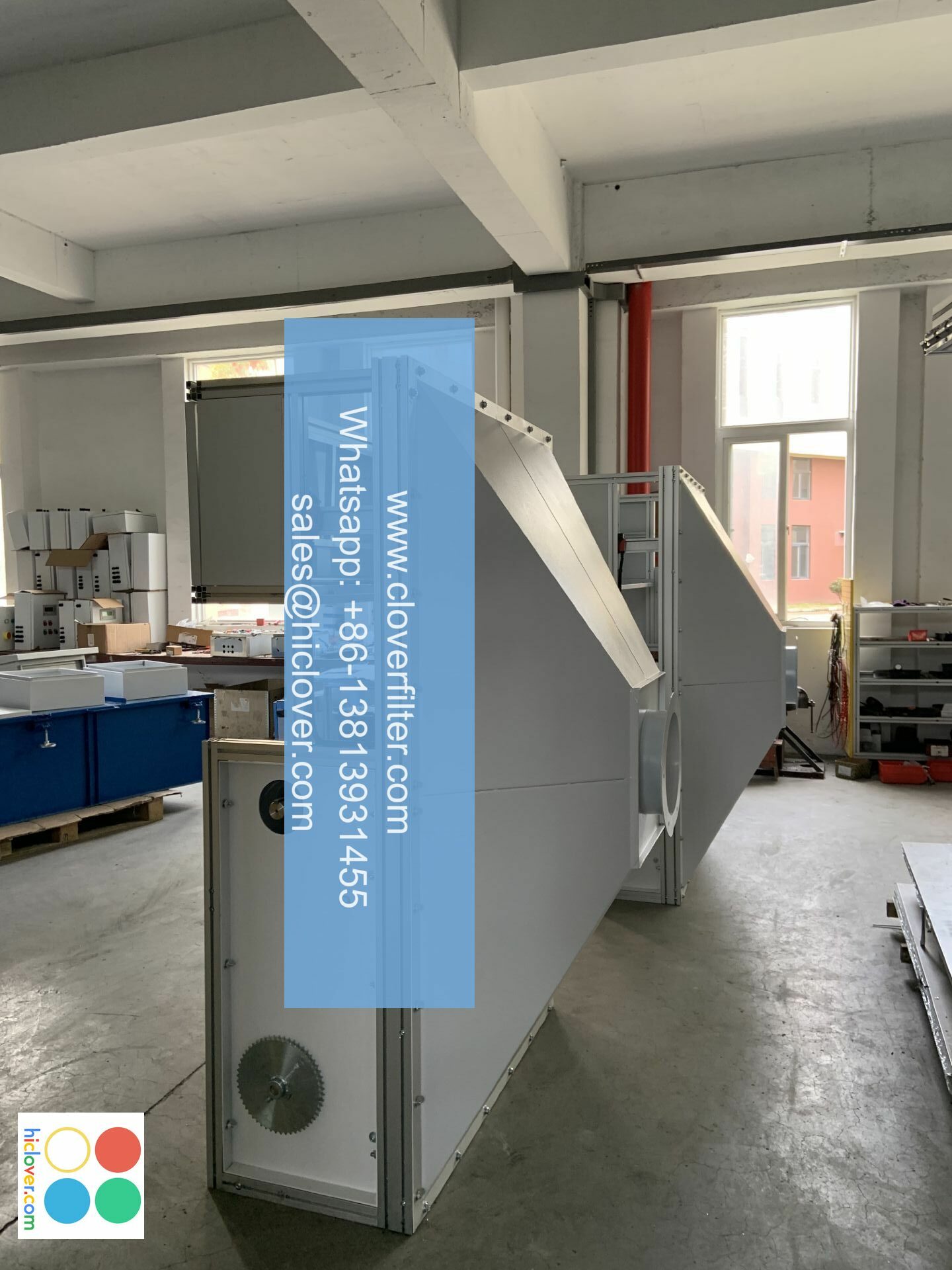
In an age where efficiency is paramount in the aviation industry, self-cleaning roll filters are emerging as a transformative solution for airport maintenance. By enhancing air quality, reducing downtime, and minimizing operational costs, these innovative filtration systems are reshaping how airports manage their environments.
Understanding Self-Cleaning Roll Filters

Self-cleaning roll filters are advanced filtration systems designed to automatically clean themselves, ensuring continuous operation without the need for manual intervention. These filters utilize a continuous roll of material that captures dust, debris, and other airborne pollutants. Once the filter reaches a predetermined saturation level, a built-in cleaning mechanism activates, removing the accumulated contaminants and allowing the filter to operate at peak efficiency.
Key Advantages for Airport Operations
1. Enhanced Air Quality
Airports are hubs of activity, often filled with various airborne contaminants due to heavy foot traffic, aircraft operations, and maintenance activities. Self-cleaning roll filters maintain high air quality standards by effectively trapping pollutants and preventing them from circulating in terminal and gate areas. Enhanced air quality not only benefits passengers but also contributes to overall health and safety for airport staff.
2. Reduced Maintenance Downtime
Traditional filtration systems often require manual cleaning or replacement, resulting in significant downtime that can disrupt airport operations. Self-cleaning roll filters eliminate this issue by automatically performing maintenance tasks. This ability ensures that airports can maintain 24/7 operations without interruptions, significantly improving overall efficiency and reducing operational costs.

3. Cost-Effective Operations
Although the initial investment in self-cleaning roll filters may be higher than traditional systems, the long-term savings cannot be overstated. Reduced labor costs for maintenance, lower energy consumption, and extended filter life lead to substantial savings over time. In an industry where profit margins are narrow, this cost-effectiveness is a crucial consideration for airport management.
Application Areas for Self-Cleaning Roll Filters
1. Passenger Terminals
In bustling passenger terminals, air quality is critical for passenger comfort and satisfaction. Deploying self-cleaning roll filters helps ensure that the air remains clean and fresh, contributing to a welcoming environment that enhances the airport experience.
2. Aircraft Hangars
Aircraft hangars are often filled with various particulate matter, including dust and debris from aircraft maintenance. Self-cleaning roll filters can be installed in ventilation systems to keep the hangar environment safe and clean for technicians while also protecting sensitive equipment.
3. De-icing Areas
In regions where de-icing activities are common, particulates and chemicals can accumulate in the air. Self-cleaning roll filters can effectively manage these hazardous substances, maintaining air quality that meets regulatory standards and ensuring a safe working environment for personnel.
4. Baggage Handling Areas
The baggage handling areas of airports can be a source of airborne pollution due to mechanical operations and dust. Self-cleaning roll filters help mitigate this issue, ensuring that workers in these essential areas are not exposed to harmful particles.
Conclusion
Self-cleaning roll filters represent a significant advancement in airport maintenance technology. By improving air quality, reducing downtime, and promoting cost-effective operations, these innovative systems are revolutionizing how airports manage their environments. As the aviation industry continues to evolve and adapt to new challenges, embracing self-cleaning roll filters will be essential for maintaining operational efficiency and ensuring passenger satisfaction. By investing in these advanced filtration systems, airports can not only meet regulatory requirements but also enhance their overall service quality, paving the way for a cleaner, healthier future in aviation.
Of course! Please provide me with the prompt or topic you would like to discuss or explore, and I’ll be happy to help.
