How to Choose the Right Air Filter for Your Unique Application: A Tutorial
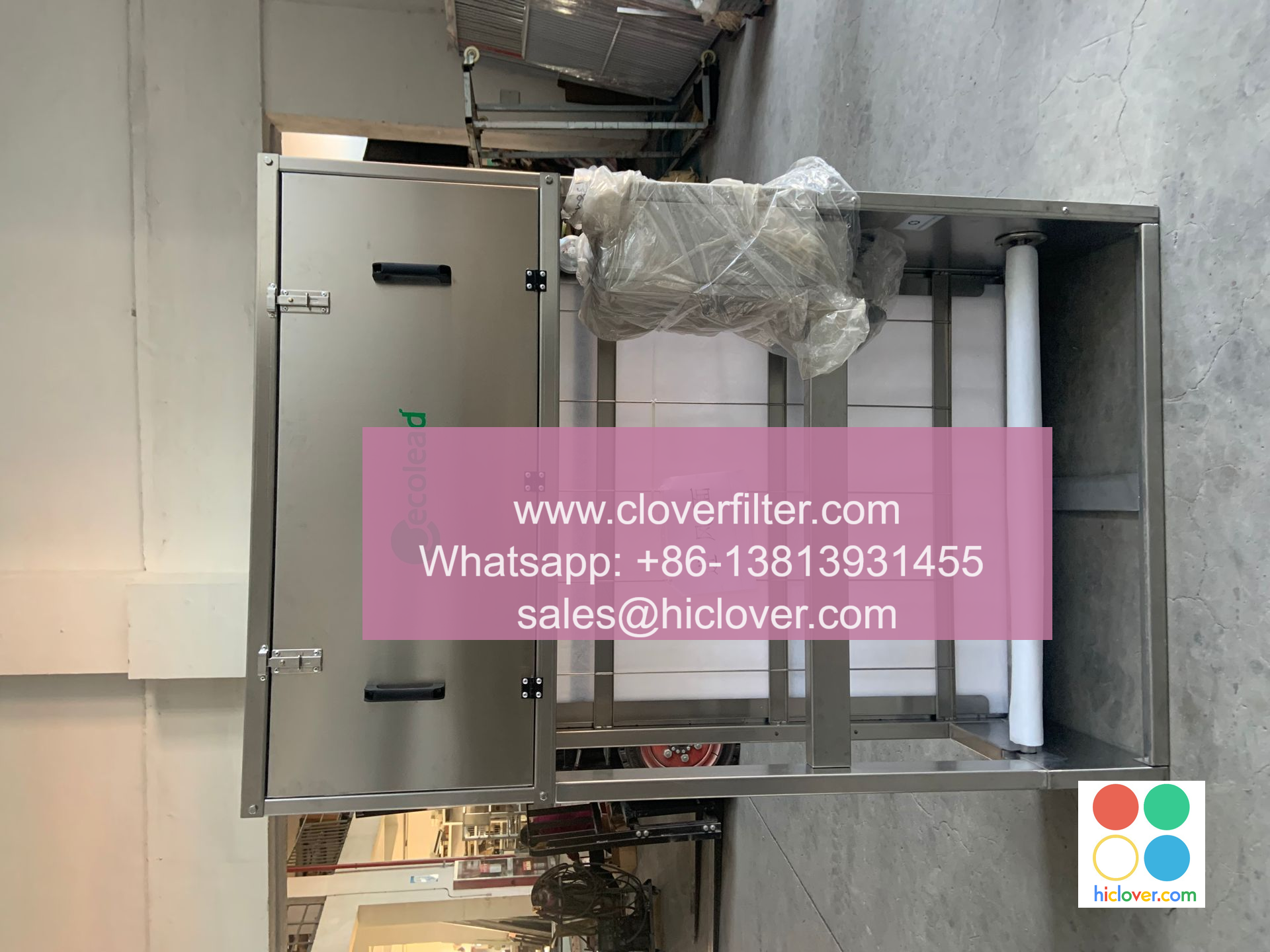
Choosing the right air filter is essential for ensuring clean air quality in various environments, whether it’s for residential, commercial, or industrial applications. This tutorial will guide you through the key factors to consider when selecting the perfect air filter for your specific needs.
Understanding Air Filter Types
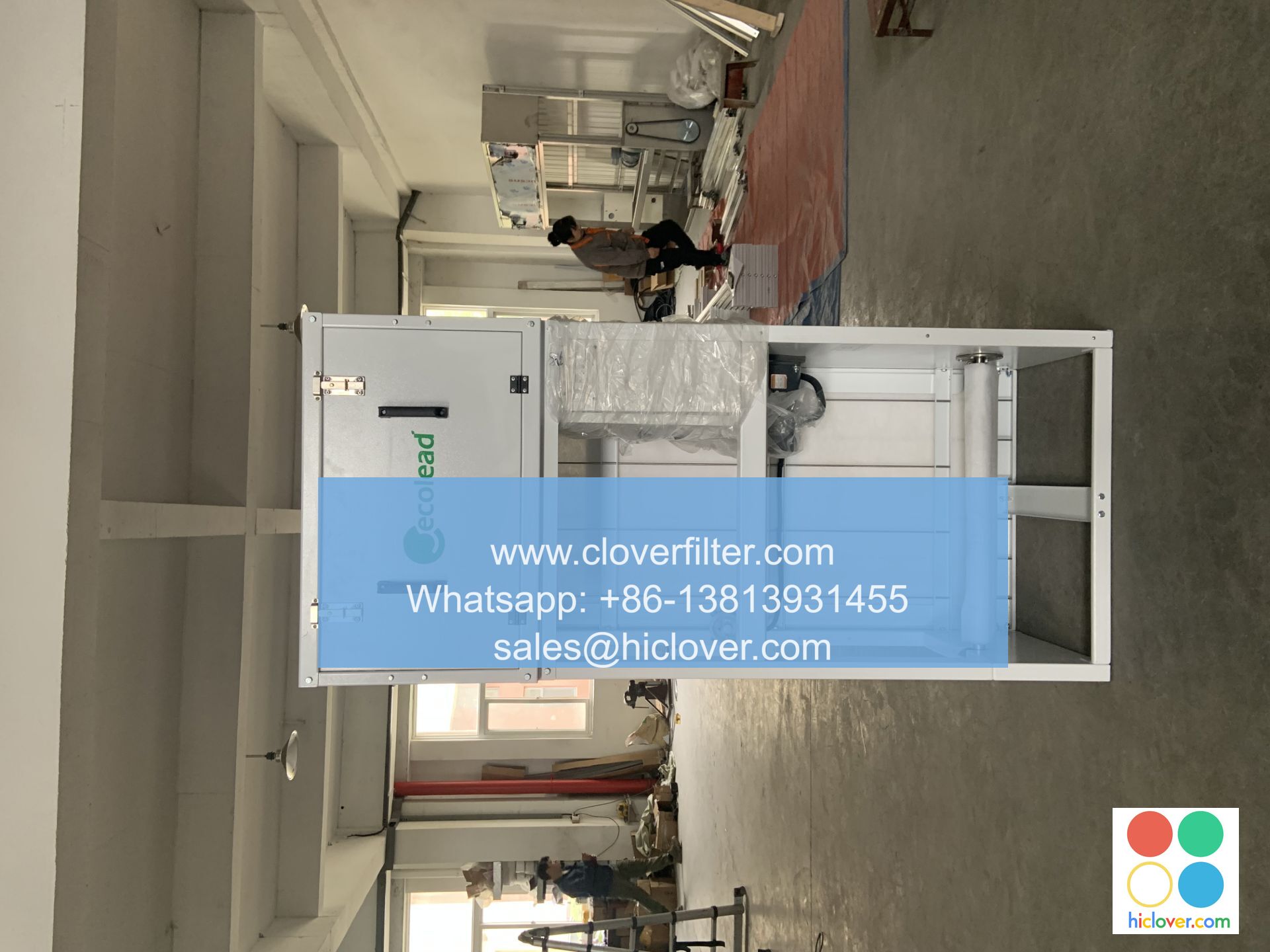
Air filters come in various types, each designed to address different application requirements. Here are the most common types:
1. HEPA Filters
The High-Efficiency Particulate Air (HEPA) filter is known for removing at least 99.97% of airborne particles 0.3 microns in diameter. These filters are excellent for hospitals, laboratories, and clean rooms where air quality is crucial.
2. Activated Carbon Filters
Activated carbon filters are designed to filter out gases, odors, and volatile organic compounds (VOCs). They are commonly used in kitchens, commercial spaces, and industrial settings where odor control is essential.
3. Electrostatic Filters
These filters use an electrostatic charge to capture dust, pollen, and other particles. They are often reusable and effective for residential use, especially in allergy-sensitive environments.
Factors to Consider When Choosing an Air Filter
When selecting an air filter for your specific application, several factors should be considered:
1. Application Area
Identify where the air filter will be used. Different application areas may have unique requirements for air filtration:
- Residential: Focus on improving indoor air quality.
- Commercial: Address higher air volume and specific allergens.
- Industrial: Must withstand heavy particulate loads and corrosive environments.
2. Filter Efficiency
Look for filters with appropriate MERV ratings (Minimum Efficiency Reporting Value) to gauge effectiveness. A higher MERV rating means better filtration, but it may also reduce airflow. Balance is key.
3. Maintenance and Replacement Frequency
Consider how often you are willing to replace or clean the filter. Some filters, like HEPA filters, may require less frequent changes, while others, like fiberglass filters, need to be replaced more often.
4. Installation Requirements
Ensure the chosen air filter is compatible with your existing systems. Some filters may need specific housing or installation procedures.
Special Considerations for Unique Applications
Every application has its specific demands, which can influence your choice of air filter:
1. Allergy and Asthma Concerns
For individuals suffering from allergies or asthma, a HEPA filter is often the best choice due to its superior particle filtration capabilities.
2. VOC and Odor Control
If your application involves the use of paints, solvents, or chemicals, opt for activated carbon filters to help mitigate odors and chemical vapors.
3. Energy Efficiency
Some filters can obstruct airflow, leading to increased energy consumption. Choose filters that balance efficiency with airflow, especially in commercial applications.
Conclusion
Choosing the right air filter for your unique application is crucial for maintaining optimal air quality. By understanding the types of air filters available, evaluating key factors, and considering the special requirements of your environment, you can select the best solution to meet your needs. Remember, investing in the right air filtration system not only contributes to better health but also enhances the overall comfort of your space.
It looks like your message got cut off. Could you please provide more details or clarify what you’re looking for? Whether it’s a specific topic, type of writing, or something else, I’m here to help!
