How to Extend the Life of Your Air Filters
Key Takeaways:
- Regular maintenance can significantly extend air filter lifespan.
- Understanding your system’s airflow needs is crucial.
- Differential pressure triggers help optimize filter performance.
- Selection of the right filter type is key for efficiency.
- Monitoring energy consumption leads to cost savings.
- Use a reliable air filter sitemap to track different filter statuses.
- Explore automatic roll air filters for enhanced performance.
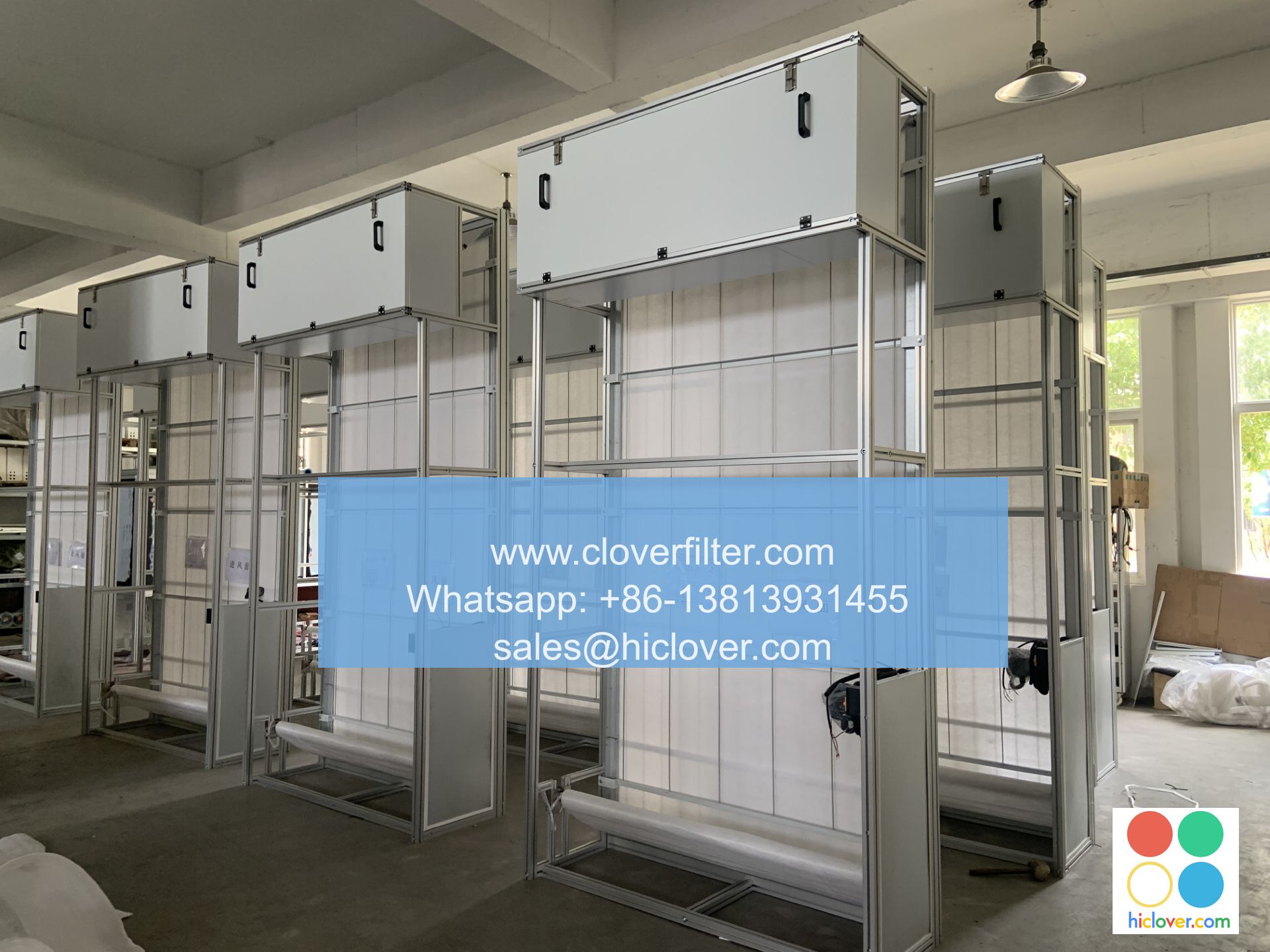
- Roll Media Advance Logic: When the air filter collects enough particulate matter, the system automatically advances the media to expose a new, clean section.
- Differential Pressure Trigger: This feature ensures the filter operates within the optimal pressure range. When the pressure drop exceeds the pre-set limit, the filter advances.
- Timer Mode: For systems that require proactive maintenance, a timer can be set to advance the media even if pressure thresholds are not met, ensuring the filter is always functional.
- Airflow Range: Different filters accommodate varying airflow rates. Ensure that your selected filter can handle your system’s requirements.
- Face Velocity: The speed at which air enters the filter directly impacts its efficiency and lifespan.
- Media Width/Length: This will influence how much particulate matter the filter can trap before requiring replacement.
- Frame Size: Choose a frame that fits your existing HVAC system.
- Control Options: Various controls can automate the performance and monitoring of the filter.
- Power Supply: Check compatibility with your existing electrical setup.
- Installation Location: Consider if the filter will be placed in fresh air intake, return, or process locations.
- Not monitoring differential pressure regularly.
- Using filters that do not match system airflow specs.
- Ignoring the manufacturer’s guidelines for filter replacement.
- Failing to maintain a proper air filter sitemap for easy tracking.
- Choosing the lowest cost option without considering long-term savings.
- Not conducting frequent maintenance checks.
- Overlooking compliance with industry standards for air quality.
- Installing air filters without considering seasonal changes in air quality.
- Disregarding the role of air filters in energy efficiency.
- Limiting choices to traditional filtering options.
- Regularly inspect and clean the filter housing and surrounding areas.
- Schedule periodic checks of the differential pressure to determine when to replace filters.
- Utilize your air filter sitemap for scheduling maintenance.
- Invest in efficient air distribution setups to reduce stress on filters.
- Consider energy recovery options that allow for reduced airflow filtration demands.
Understanding Automatic Roll Air Filters

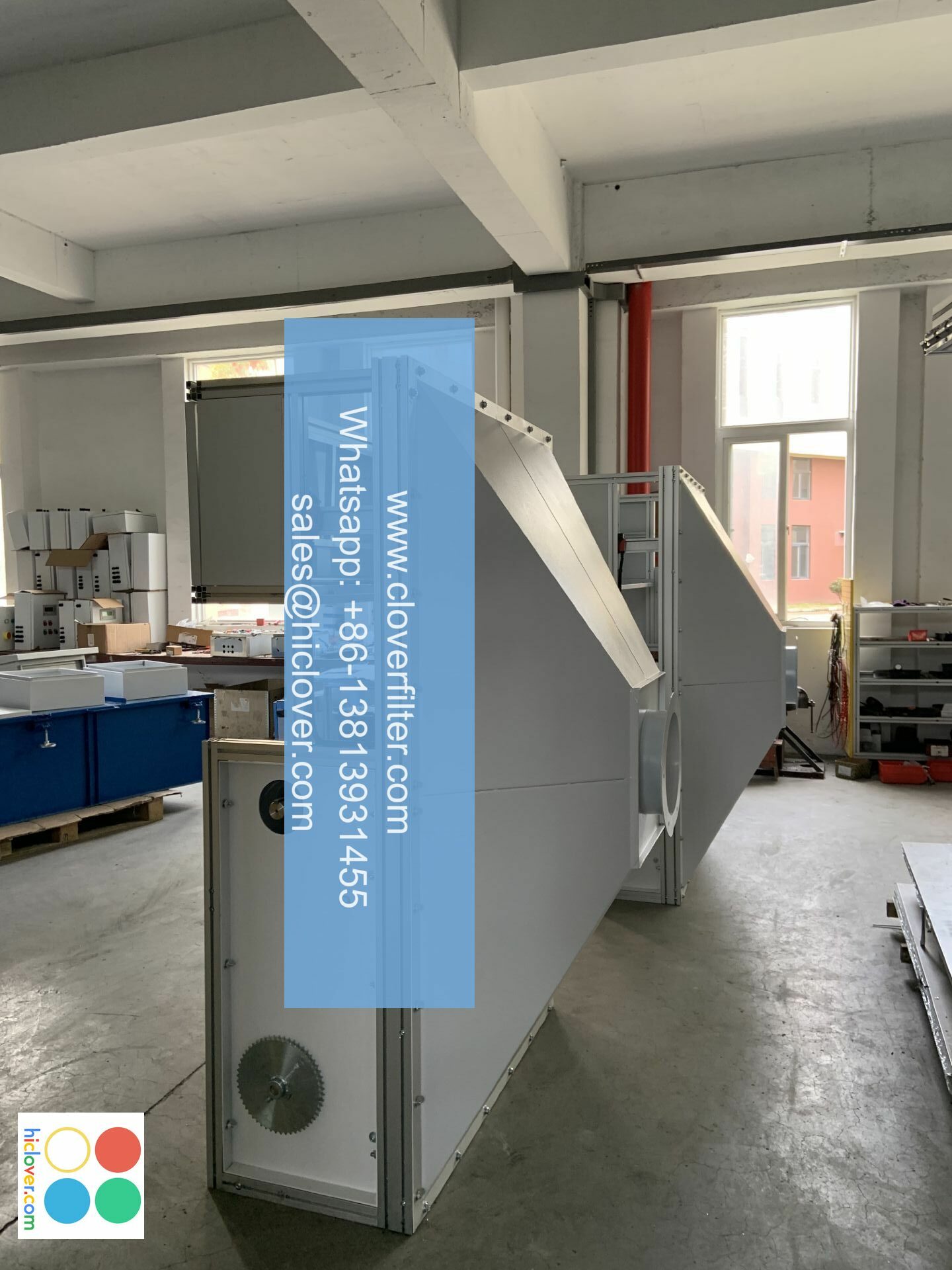
An Automatic Roll Air Filter is an advanced filtration solution designed for HVAC systems to enhance air quality and energy efficiency. This filter type features a roll media advance logic that automatically advances the filter material to a fresh section once the differential pressure reaches a specified threshold. This system reduces maintenance intervals and minimizes human error, ensuring a steady flow of clean air for various applications such as data centers and textile mills.
How It Works:
Selecting the Right Air Filter
When considering air filter options, it’s essential to evaluate several factors:
Air Filter Sitemap: Importance and Usage
An air filter sitemap is an organized layout of all filters in your facility. This resource helps track filter maintenance schedules, replacement dates, and real-time performance data, contributing significantly to efficient operation. Utilizing a well-structured air filter sitemap reduces downtime and maintenance costs while ensuring that safety and regulatory compliance are met.
Comparison of Filter Types
| Filter Type | Best Use Case | Maintenance | Pressure Drop Behavior | Operating Cost | Typical Risk/Downside |
|---|---|---|---|---|---|
| Automatic Roll Air Filter | Data centers, cleanrooms | Low | Consistent, gradual | Moderate | Initial investment may be high |
| Bag Filter | General industrial applications | Moderate | Moderate | Variable | Can require frequent changes |
| Panel Filter | Residential & light commercial | High | Sharp increase | Low | High maintenance frequency |
| V-bank | High airflow applications | Moderate to high | Fluctuates widely | Moderate | Can be bulky, harder to fit |
Common Mistakes & How to Avoid Them
Real-World Scenarios
1. Data Center: An automatic roll air filter improved airflow consistency and reduced the frequency of maintenance checks, ensuring that sensitive equipment remained cool and operational.
2. Battery Factory: The facility implemented a roll filter system for fresh air intake, significantly reducing the risk of volatile organic compound emissions during battery manufacturing.
3. Paint Shop: Upgrading to automatic air filters reduced overspray and particulate matter in the air, contributing to a safer working environment while extending the life of the filters.
4. Textile and Cement Plants: Utilizing dual-mode filtration systems helped minimize dust, optimize product quality, and enhance overall energy savings across production processes.
Maintenance Best Practices
To extend the life of your air filters, implement the following best practices:
FAQ Section
1. What is the advantage of using an automatic roll air filter?
Automatic roll air filters reduce maintenance frequency while ensuring consistent airflow and particulate control.
2. How do I know when to replace my air filters?
Monitor differential pressure or follow your established maintenance schedule outlined in your air filter sitemap.
3. Can I use automatic roll air filters in any HVAC system?
Most systems can accommodate roll air filters, but checking compatibility with airflow and size specifications is crucial.
4. What makes a good air filter?
A good air filter should maintain low pressure drops, high particulate control, and fit your system correctly.
5. How does the air filter type impact energy costs?
The right air filter can improve system efficiency, reducing overall energy costs while providing better air quality.
6. How often should I check my air filters?
Depending on the application, checks can be scheduled from monthly to quarterly. Use your air filter sitemap for tracking.
Meta Description: Discover practical ways to extend the life of your air filters with effective maintenance tips and insights on automatic roll filters.
Experience the benefits of quality filtration with CloverFilter. For personalized solutions, visit us at CloverFilter or contact us here.
Sure! Please provide more details about the prompt or the specific topic you would like to discuss or explore.
